
 Search Articles


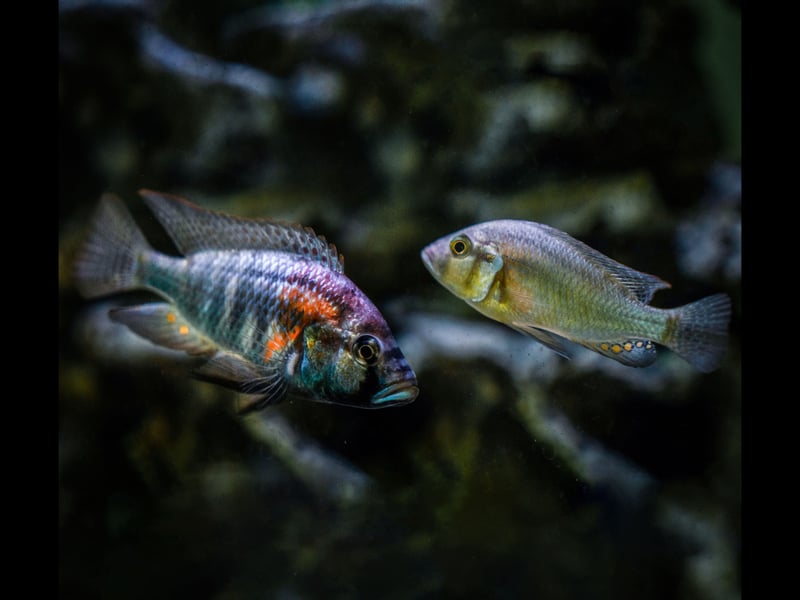
(CN) — Social status doesn’t just shape your life — it could also affect your brain. In fish deemed to be of lower social status, social stress appears to have a noticeable impact on their brains, researchers found while studying cichlids, a highly social and hierarchical fish species.
In an article published Tuesday in Frontiers in Behavioral Neuroscience, scientists reported that low-status males experienced higher levels of oxidative stress in their brains, a condition that could contribute to mental health and neurodegenerative disorders.
“We found that low rank was generally linked to higher levels of oxidative stress in the brain,” Peter Dijkstra, a researcher at Central Michigan University and the study’s lead author, said in a press release. “The patterns of oxidative stress in the brain are likely influenced by social experience modulating cellular processes in the brain.”
Oxidative stress happens when the body’s antioxidant defenses can’t keep up with harmful molecules called reactive oxygen species, researchers say. This imbalance can damage cells, including those in the brain. Social stress, a known trigger of oxidative stress, might explain why low-status fish were hit harder.
Male cichlids live in a world of constant competition, researchers say, with a clear pecking order. Dominant males are bigger, bolder and more colorful, with higher levels of androgens — hormones linked to reproductive success.
They also defend territories and attract mates, according to researchers. Subordinate males, on the other hand, lead more stressful lives, scientists say, often hiding from their aggressive counterparts.
To study how this social hierarchy affects oxidative stress, researchers set up 15 tanks with groups of cichlids, each with six females and two males. Most groups quickly established a stable hierarchy; dominant males claimed the half-flowerpot territories provided in the tanks.
Scientists collected data by filming behaviors, taking blood samples and ultimately dissecting the brains of the male fish. They measured oxidative stress and antioxidant capacity in different brain regions, along with indicators of reproductive activity like gonad size.
According to researchers, low-status males showed higher levels of oxidative stress in their brains compared to the dominant fish, whose antioxidant defenses seemed to offer some protection.
While dominant males had higher oxidative stress indicators in their blood, Dijkstra added, their brains appeared to be shielded, possibly thanks to neuroprotective effects of androgens.
“Indicators of reproductive activity, associated with high status in these fish, were linked to higher levels of antioxidants and lower levels of oxidative stress in the brain,” Dijkstra said.
But the relationship between status and brain health wasn’t straightforward. According to Dijkstra, different brain regions showed different patterns of oxidative stress and antioxidant capacity, suggesting a complex interaction between social stress and brain chemistry.
“Social competition in our cichlids is a great model system to understand how competition in our modern human societies influences important physiological functions,” said Dijkstra.
However, he was cautious about drawing direct parallels. “We compare ourselves to others continuously, and these problems are especially compounded by social media. But I would be hesitant to directly relate our findings to human societies.”
According to Dijkstra, further research is needed to explore how these findings might apply beyond fish tanks.
“We just uncovered some interesting patterns across different divisions of the brain,” he said. “The next step is to understand the regulation of oxidative stress better and how social stress influences this. This requires more rigorous experimental studies.”
Subscribe to our free newsletters
Our weekly newsletter Closing Arguments offers the latest about ongoing trials, major litigation and rulings in courthouses around the U.S. and the world, while the monthly Under the Lights dishes the legal dirt from Hollywood, sports, Big Tech and the arts.