
 Search Articles


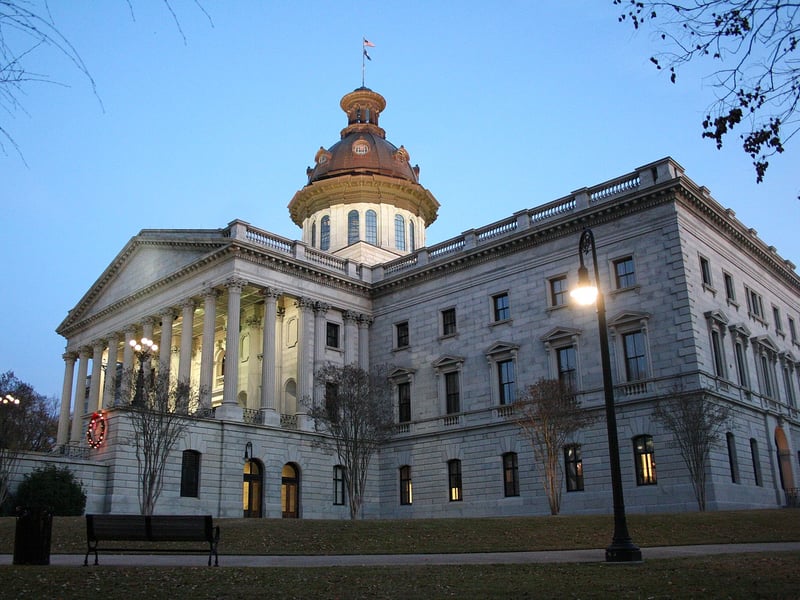
CHARLESTON, S.C. (CN) — Federal authorities reached a settlement Thursday with South Carolina to address problems in the state’s mental health care system.
State authorities agreed to bring the state’s community residential care facilities into compliance with the U.S. Supreme Court 1999 ruling in Olmstead v. L.C., which found that the Americans with Disabilities Act requires that people with disabilities be provided community-based services in the “least restrictive setting” possible.
Unnecessary segregation created the assumption that disabled people were “incapable or unworthy of participating in community life,” Justice Ruth Bader Ginsburg wrote for the majority in Olmstead.
Aninvestigation by the U.S. Department of Justice determined that South Carolina had institutionalized some 2,000 adults with serious mental illnesses by failing to transition them into less restrictive housing. Some mentally ill residents remained in facilities for up to 35 years, investigators found. The average resident spent five years in an adult care home.
Assistant Attorney General Harmeet K. Dhillon of the Justice Department’s Civil Rights Division said Thursday her agency was working with South Carolina to ensure people with serious mental illness can receive services in the community if they desire it.
“This is a great day for the people of South Carolina and demonstrates the substantial work that can happen when the federal government and states work together,” Dhillon said.
Kimberly LaJoie Tissot, president and CEO for Able SC, said the settlement was a first step “but the agreement itself doesn’t fix the whole system.”
“It doesn’t break the pipeline into institutions, it doesn’t guarantee long-term funding, and it leans on many of the same systems that didn’t work before,” LaJoie Tissot said. “So, while this is progress, it’s not the finish line.”
LaJoie Tissot said accountability and leadership will be needed to ensure the settlement is more than a paper tiger.
The state will be required as part of the settlement agreement to hire a housing coordinator at each of the state’s 16 community mental health centers. Two “peer specialists,” who use their own experience with mental health issues to help others, must also provide services at each center.
South Carolina will also be required to maintain 13 “assertive community treatment” teams in the state, which are responsible for helping residents obtain health care, housing, employment and disability benefits.
The state has three years to become compliant with the agreement. A quality committee will be responsible for monitoring the state’s progress and providing updates to the Department of Justice.
The department has brought action against other states for violating the rights of disabled people under Olmstead, including Colorado and Mississippi.
 Follow @SteveGarrisonPC
Subscribe to our free newsletters
Our weekly newsletter Closing Arguments offers the latest about ongoing trials, major litigation and rulings in courthouses around the U.S. and the world, while the monthly Under the Lights dishes the legal dirt from Hollywood, sports, Big Tech and the arts.