
 Search Articles


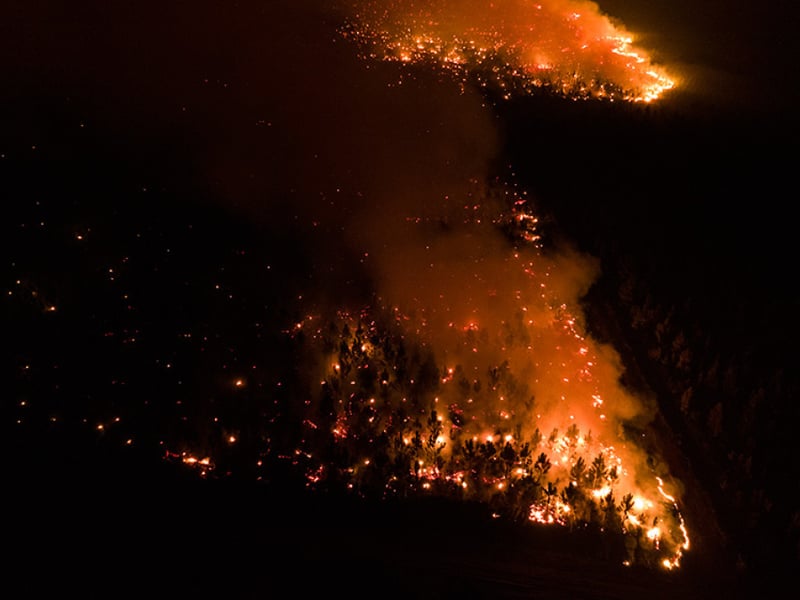
LOS ANGELES (CN) — Southern California Edison, along with a telecommunications company and a vegetation management business, have paid $22 million to the U.S. Forest Service to settle a lawsuit over damages from a 2016 wildfire that burned 32,000 acres in Central California.
Edison, Frontier Communications, and Utility Tree Service agreed to pay the settlement without admitting wrongdoing or fault, according to a statement Friday from the U.S. attorney’s office in Los Angeles.
The statement didn’t specify how much each of the three companies paid.
“This settlement will compensate the public for the expense of fighting the Rey Fire and restoring these federal lands that are enjoyed by all Americans,” First Assistant U.S. Attorney Joseph McNally said in the statement. “The U.S. Attorney’s Office will continue to aggressively pursue recovery against those who cause damages to our precious national resources.”
In a 2019 lawsuit, the Justice Department said that the Rey Fire, three years earlier, had been started when a tree fell onto communication lines and power lines that were owned, maintained and operated by Frontier and Edison. The crash caused an energized Edison power line to fall on the ground and ignite adjacent dry vegetation. The resulting wildfire destroyed about 20,000 acres of the Los Padres National Forest.
The fire in Santa Barbara County prompted evacuation and required 1,200 firefighters and 11 aircraft to contain it, according to news reports at the time.
Edison and Utility Tree Services were informed of the potential danger the tree that fell on the lines posed but failed to take any action to prevent it from falling on the subject lines, the government alleged in the lawsuit.
The vegetation management contractor that worked for Edison had inspected the tree before it fell on the lines and knew, or should have known, that it was a hazard but decided to take no action to prevent it from subsequently falling on the power lines, the government said.
 Follow @edpettersson
Subscribe to our free newsletters
Our weekly newsletter Closing Arguments offers the latest about ongoing trials, major litigation and rulings in courthouses around the U.S. and the world, while the monthly Under the Lights dishes the legal dirt from Hollywood, sports, Big Tech and the arts.