Search Articles


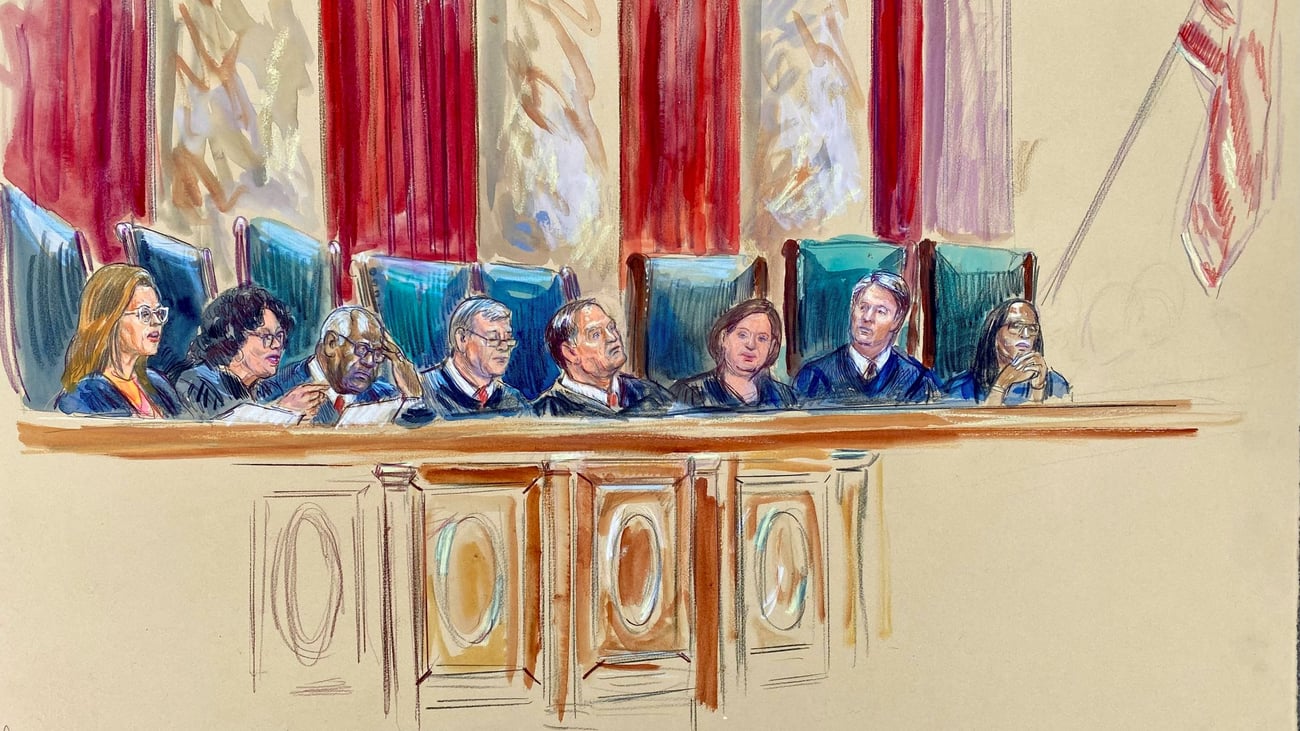
WASHINGTON (CN) — The Supreme Court found errors Thursday in the federal government’s obstruction charge against a former Twitter employee accused of leaking confidential documents.
Despite interacting only with FBI agents at his home in Seattle, Ahmad Abouammo was charged with falsifying documents in San Francisco. The federal government argued venue was proper there because Abouammo’s obstructive conduct — an email sent to agents — was directed at an FBI investigation based in San Francisco.
In a short, unanimous ruling, the justices disagreed, holding that venue for the offense lies only where the defendant falsified a document.
“We hold that a defendant charged with violating §1519 must be tried in the district where the falsification occurred; he cannot be tried in a different district where the investigation was located,” Justice Elena Kagan, a Barack Obama appointee, wrote for the court, citing the statute that makes it a crime to knowingly falsify a document with the intent to obstruct a federal investigation.
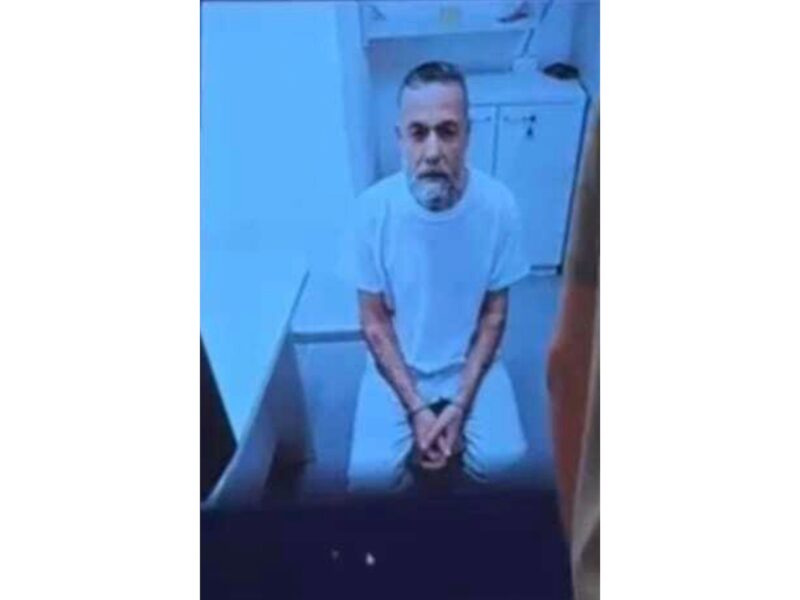
Abouammo served as Twitter’s media partnerships manager for the Middle East and North Africa, giving him access to confidential information. Prosecutors say he leaked information about two Saudi dissidents to a Saudi official in exchange for a watch and hundreds of thousands of dollars.
In 2015, the FBI’s San Francisco office began investigating Twitter employees’ access to such information. Two agents traveled to Seattle to interview Abouammo at his home as part of the probe.
Abouammo had left Twitter and started his own company by the time the investigation began, but he agreed to speak with the agents. While they were at his home, Abouammo went upstairs, created a fake invoice from his consulting company and emailed it to the agents.
The government charged Abouammo with several offenses, including acting as an unregistered agent of a foreign government and conspiracy to commit wire fraud. But his falsification charge was the sole issue before the justices.
When the high court heard arguments in March, several justices compared the government’s theory to sending American colonists to be tried in England. Kagan drew on those comparisons in Thursday’s ruling.
“Venue in criminal cases mattered more than might be supposed to the nation’s founders,” Kagan wrote.
Parliament’s laws governing colonial trials were so despised, Kagan said, that they were cited in the Declaration of Independence.
“After the Revolution, of course, the founders no longer had to fear transportation overseas,” Kagan wrote. “But they retained strong feelings about ‘the unfairness and hardship involved when an accused is prosecuted in a remote place.’ As a result, the Constitution not once but ‘twice safeguards the defendant’s venue right.’”
In the nine-page ruling, Kagan said the court’s holding was limited to the statute in Abouammo’s case. Because the law prohibited only one act, the government’s venue options were confined to the place where that act occurred.
Michael Fox, a legal fellow in the Cato Institute’s project on criminal justice, praised the ruling as a victory for defendants’ rights.
“By reversing the Ninth Circuit, the Supreme Court halted a dangerous precedent that allowed prosecutors to forum-shop by strategically deploying agents from specific districts,” Fox said. “This decision checks prosecutorial overreach and safeguards the local jury’s constitutional role as the conscience of the community.”
 Follow @KelseyReichmann
 Follow @kelseyreichmann.bsky.social
Subscribe to our free newsletters
Our weekly newsletter Closing Arguments offers the latest about ongoing trials, major litigation and rulings in courthouses around the U.S. and the world, while the monthly Under the Lights dishes the legal dirt from Hollywood, sports, Big Tech and the arts.