
 Search Articles


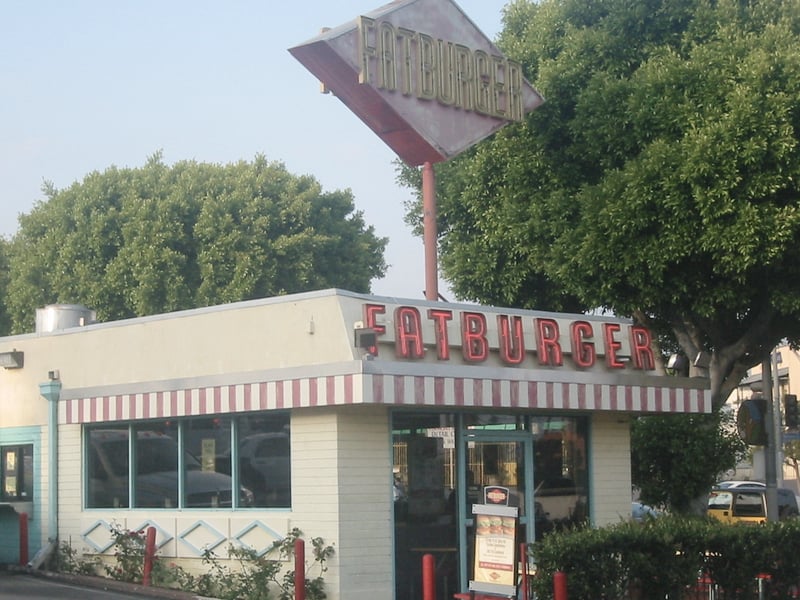
LOS ANGELES (CN) — Federal prosecutors in Los Angeles on Tuesday dropped two criminal cases against FAT Brands Chairman Andrew Wiederhorn.
The government filed unopposed requests to dismiss both cases that provided no explanation why it had decided not to pursue the charges it brought in May of last year that the former CEO of the California-based fast food operator had concealed $47 million in income from the Internal Revenue Service and that he possessed a gun even though he was a convicted felon.
“From day one, we have maintained Andy’s innocence,” Nick Hanna, one of Wiederhorn’s lawyers, said in a statement. “We are extremely grateful that the U.S. attorney’s office listened to our arguments and determined, in the interests of justice, that all charges should be dropped.”
Representatives of U.S. Attorney Bilal Essayli declined to comment.
As recently as two weeks ago, prosecutors indicated that they were preparing for trial on the tax charges and asked the judge to move the Oct. 28 trial date because of delays providing Wiederhorn and the other defendants with more than a million pages of documents related to the investigation.
Wiederhorn had been scheduled to go on trial in April 2026 in the felon-in-possession prosecution.
“I am grateful to the U.S. attorney’s office for taking a fresh look at this case and to the attorneys who worked tirelessly on my behalf and on behalf of the other defendants,” Wiederhorn said in a statement. “With this indictment behind us, I look forward to focusing on the continued growth and success of FAT Brands.”
Wiederhorn, 59, is the controlling shareholder of FAT Brands, the Beverly Hills, California-based parent company of Fatburger and Johnny Rockets and other fast food franchises.
Under the previous U.S. attorney for the Central District of California, a Joe Biden appointee, he was accused of using FAT Brands as his personal slush fund and being a “serial tax cheat.”
Prosecutors claimed Wiederhorn concealed $47 million in income from the IRS by treating the payments as shareholder loans despite never paying them back.
According to his indictment, Wiederhorn didn’t post collateral, make interest payments or observe any of the normal requirements for real loans. Without informing the company’s directors, he decided for himself the amount of bogus loans he received over a ten-year period, prosecutors said, as well as when to forgive them.
When the U.S. attorney’s office announced the indictment last year, they said Wiederhorn began disguising payments to himself in the form of shareholder loans as long as 30 years ago, when he served as CEO of the predecessor company of FAT Brands. They accused him of forgiving himself some $65 million in putative debts owed to this previous business. In 2004, Wiederhorn pleaded guilty to the payment of illegal gratuities and filing a false federal tax return.
From about 2006 to 2021, the IRS had been trying to collect personal income tax and trust fund taxes from Wiederhorn, the government said last year, including by putting levies and liens on his accounts and assets. By March 2021, he owed about $7.8 million to the IRS, including in statutory interest and penalties, according to the indictment.
The decision to drop the charges against Wiederhorn may indicate a shift in priorities of President Donald Trump’s administration.
Under Essayli, the U.S. attorney’s office has been busy prosecuting people who intervened with the ICE immigration raids that have upended the lives of many people in LA. Media reports from last week indicated that his office has brought charges against at least 38 people for purported misconduct that either took place during last month’s protests or near the sites of ICE raids,
Last week, Essayli’s office charged two surgery center staff members with assaulting a federal agent when they tried to help a landscaper who was pursued by ICE agents and fled inside the clinic.
 Follow @edpettersson
Subscribe to our free newsletters
Our weekly newsletter Closing Arguments offers the latest about ongoing trials, major litigation and rulings in courthouses around the U.S. and the world, while the monthly Under the Lights dishes the legal dirt from Hollywood, sports, Big Tech and the arts.