
 Search Articles


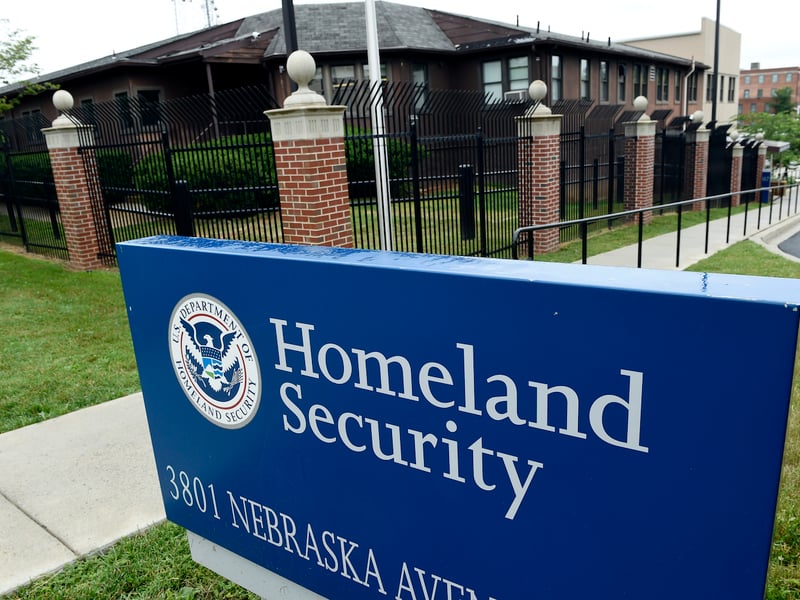
WASHINGTON (CN) — A federal judge expressed concern on Tuesday that the Trump administration pulled a “big switcheroo” on millions of undocumented migrants in the country by suddenly proposing a universal registration system set to take effect on Friday.
U.S. District Judge Trevor McFadden, a Donald Trump appointee, said during a preliminary injunction hearing that the government seemed to skip “a lot of hoops” that it would normally have to jump through to enact such a significant policy change, such as the notice and review period.
The plaintiffs, led by the Coalition for Humane Immigrant Rights and joined by the United Farm Workers of America, Casa Inc. and Make the Road New York, sued in the U.S. District Court for the District of Columbia on March 31.
The rights groups challenged the new rule, issued on March 12, that would require millions of undocumented immigrants in the country to submit fingerprints and other biometric information to the government and always carry proof of registration or face arrest and federal prosecution.
The rule, referred to as the “Alien Registration Requirement,” is set to go into effect on Friday and would apply to all migrants 14 years or older, which the Department of Homeland Security estimated includes between 2.2 and 3.2 million individuals. Children younger than 14 would need to be registered by their parents or legal guardians, then re-register when they turn 14.
McFadden indicated he would issue a decision before the Friday deadline.
“Absent intervention by this court, all noncitizens — as well as U.S. citizens wrongly suspected of being noncitizens — will be exposed to a new criminal enforcement regime and a ‘show me your papers’ country,” the groups wrote in the suit.
Emma Winger, of the American Immigration Council and attorney for the rights groups, argued Tuesday that the new rule would wrongly open migrants to criminal prosecution for what has historically been treated as a civil offense.
She pointed to the questionnaire on the registration form, which asks when and where they entered the country, what “activities” they have been or intend to engage in, how long they will remain in the country and if they have a criminal record.
The registration would effectively compel migrants, including those who have been in the country for decades — such as a pseudonymous member, “Alice,” who has lived in the U.S. for over 20 years — to expose themselves to potential prosecution and deportation. Winger argued the forms would violate the Fifth Amendment right against self-incrimination.
McFadden noted that the questions regarding a migrant’s activities and their criminal record seemed to ask whether they’d “done anything wrong” that would potentially warrant their deportation, calling it “striking.”
Winger suggested that the activities question could also put migrants at risk for their political advocacy. The administration has moved to deport several high-profile advocates who have protested on behalf of Palestine and farmworkers’ rights, such as Mahmoud Khalil and Alfredo “Lelo” Juarez Zeferino.
Justice Department attorney Kartik Venguswamy argued that the registration form was just one of several different options migrants can choose to abide by certain registration requirements under the Immigration and Nationality Act.
He said that the statute initially created a universal registry, and the Trump administration was simply trying to enforce that section of the law and patch any remaining holes.
Winger said that the statue had not been interpreted that way for the last 14 presidential administrations. Under previous regimes, the government has screened migrants via existing immigration processes, such as visa applications, admission procedures and removal proceedings.
McFadden said his main concern with the plaintiffs’ case, particularly at a preliminary injunction stage, was their standing. As associations, the advocacy groups would have to convince him they would suffer harms to their mission because of the new policy.
Winger said that, in the case of the Coalition for Humane Immigrant Rights, the rule would require them to devote more legal services to deal with the registry and spend less time working grant-funded work like removal defense cases or its student legal services program.
McFadden said that the initial harm to the coalition seemed to be “more work,” but later seemed receptive to the concerns about limiting legal services.
The registry is one of several initiatives by the Trump administration to implement the president’s campaign promises of mass deportations, an effort bolstered by the Internal Revenue Service’s agreement to provide tax information of immigrants that Immigration and Customs Enforcement is trying to deport.
The agreement was revealed in a motion to dismiss filed Monday in a lawsuit challenging ICE’s requested access.
 Follow @Ryan_Knappy
Subscribe to our free newsletters
Our weekly newsletter Closing Arguments offers the latest about ongoing trials, major litigation and rulings in courthouses around the U.S. and the world, while the monthly Under the Lights dishes the legal dirt from Hollywood, sports, Big Tech and the arts.