Search Articles


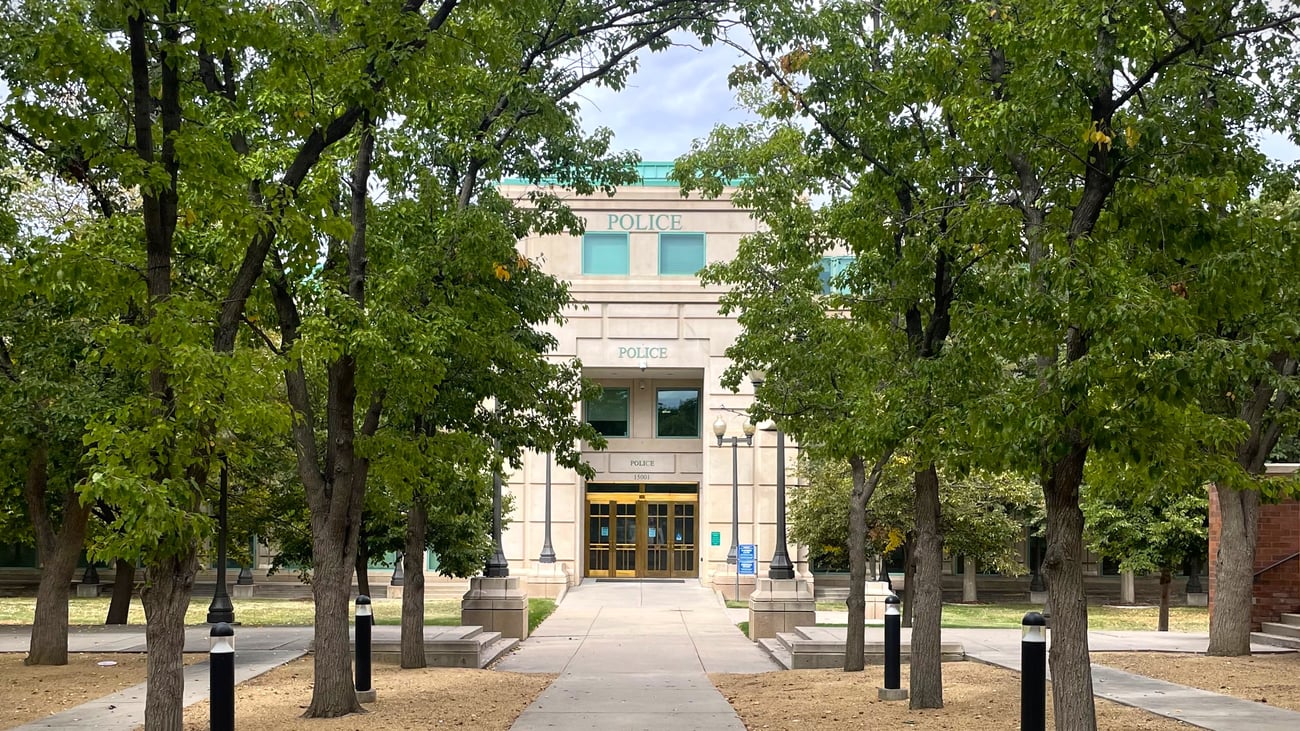
(CN) — The family of an unarmed Black man shot and killed by an Aurora police officer filed a second lawsuit against the Denver metro city on Friday, this time for municipal liability.
The plaintiffs say the unconstitutional killing of attempted murder suspect Kilyn Lewis in 2024 was the direct result of inadequate city policy and failure to train officers in risk assessment, less-lethal planning and de-escalation.
“The Lewis shooting is precisely the kind of predictable constitutional injury that adequate policies, training, supervision, discipline, and force-review systems are supposed to prevent,” the plaintiffs say in the 27-page lawsuit. “A planned apprehension of an unarmed person, conducted by specialized officers, transformed within seconds into a fatal shooting because officers rushed the contact, issued conflicting commands, failed to de-escalate, failed to use available time and cover, failed to use available less-lethal options, and treated a non-threatening movement toward compliance as justification for deadly force.”
The Aurora Police Department has operated under a consent decree with the Colorado attorney general since 2021, when the Colorado Department of Law found the department had engaged in a pattern and practice of violating state and federal law through racially biased policing, excessive force, and failing to record legally required information during community interactions.
The state reported Aurora police used force against people of color almost 2.5 times more often than against white people, and nearly half of the individuals against whom the department used force were Black, even though Black residents made up only 15% of Aurora’s population.
The consent decree required Aurora to improve policies and training to reduce use of force, ensure force is used in compliance with state and federal law, protect officer and community safety, and build a culture of continuous improvement. The state-appointed independent monitor applauded the city for its improvements in October, but Lewis’ family says the 2024 shooting was just another example of a broken system that hasn’t made enough progress since.
“Officers in this case used tactics directly contrary to the reforms the city knew were necessary,” the plaintiffs say. “They rushed a planned apprehension, used a show of overwhelming force against an unarmed person, issued overlapping and conflicting commands, failed to de-escalate, failed to use time and distance, failed to use available less-lethal force, and used deadly force when Mr. Lewis did not pose an imminent threat.”
Using undercover officers and drone surveillance, Aurora police tracked Lewis for two days before apprehending him on suspicion of attempted murder. In that time, the plaintiffs say officers should have determined he was unarmed and not an immediate threat.
Led by officer Michael Dieck, Aurora police finally stopped Lewis in the parking lot to his apartment, quickly surrounding him after he exited his car. The plaintiffs say the officers shouting conflicting orders; he was told both get on the ground and show his hands.
As he kneeled to the ground, just seven seconds after surrounding him, Dieck shot Lewis in the abdomen. He did not warn Lewis that he would fire.
In a public statement, the city said, “Every investigatory body — internally and externally— responsible for reviewing officer-involved shootings in Aurora determined that the officer acted lawfully in this case."
The city says Dieck mistook the cellphone in Lewis’ hand for a gun.
The family filed its first lawsuit, accusing the department of excessive force and constitutional violations, in May 2025. That case is still pending in federal court.
In Friday’s lawsuit, the plaintiffs say Dieck was the only officer authorized to carry a less-lethal weapon — a 40mm baton launcher. But Dieck traded his baton launcher for his firearm before approaching Lewis, eliminating a de-escalation option. The plaintiffs say Dieck had time to repeat non-conflicting commands and avoid resorting to shooting.
They also say the operation could have been planned more thoroughly to have reduced risk.
In the lawsuit, they call out specific policies including those that permit SWAT teams to execute arrest warrants for outside jurisdictions without adequate scrutiny, planning and preparation, allow officers to escalate encounters through sudden shows of overwhelming force, permit officers to use deadly force without reasonable warning, and allow officers to disregard less-lethal tools and tactics during a planned arrest.
The plaintiffs lodge three claims under municipal liability: unconstitutional policy, practice or custom; failure to train, supervise and discipline; and ratification and final policymaker approval.
The city has not replied to a request for comment.
 Follow @JournalistJoeAZ
Subscribe to our free newsletters
Our weekly newsletter Closing Arguments offers the latest about ongoing trials, major litigation and rulings in courthouses around the U.S. and the world, while the monthly Under the Lights dishes the legal dirt from Hollywood, sports, Big Tech and the arts.