Search Articles


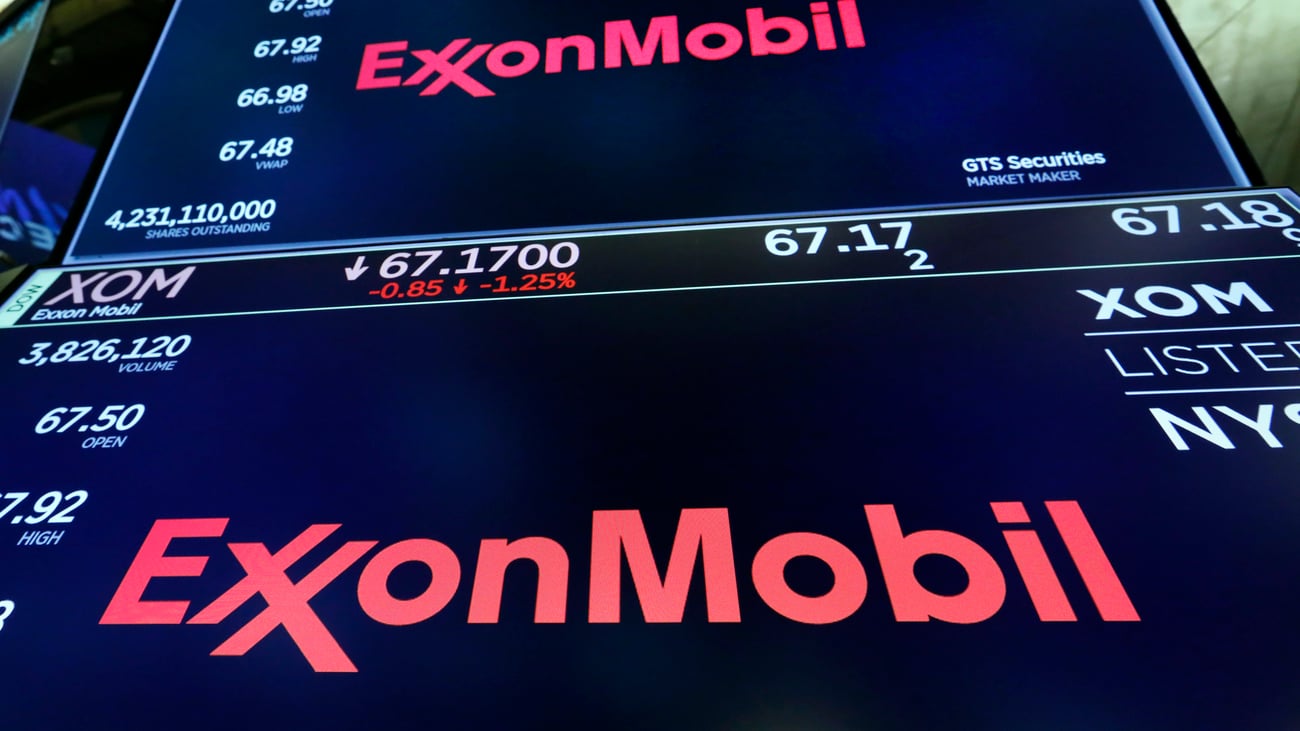
(CN) — ExxonMobil told a Ninth Circuit panel on Monday that California’s first-of-its-kind lawsuit, seeking to hold the oil company liable for misleading the public about the recyclability of plastic products, should be litigated in federal court rather than in state court.
Paul Clement, an attorney for ExxonMobil, argued at the San Francisco hearing that, insofar as California is trying to blame the company for plastic waste that is polluting navigable waterways, federal courts have so-called admiralty jurisdiction over the claims.
“I’m not sure that, given the way they pled this complaint, it could be much clearer that the injury occurs on the navigable waterways to the navigable waterways,” Clement told the panel.
While the three judges didn’t indicate in which way they were leaning, U.S. Circuit Judge Daniel Collins expressed some skepticism about this line of reasoning on account that California isn’t accusing ExxonMobil of dumping plastic waste into the water itself.
Nevertheless, Clement said, the state will need to prove at some point its novel claim that the company is the proximate cause of the public nuisance from plastic that ends up in the water.
“We can’t lose our right to adjudicate in federal court because they’ve alleged something that seems kind of extravagant in terms of whether they’ll be ultimately be able prove proximate cause,” he said.
In 2024, California sued the largest U.S. oil and gas company in San Francisco County Superior Court, claiming that for the past 50 years, ExxonMobil has used deceptive marketing and misleading public statements to promote recycling as an effective solution for plastic pollution, even though the oil giant knows most plastics are not recycled and cannot be recycled.
The state argues that ExxonMobil’s messaging led consumers to purchase and use more single-use plastic than they otherwise would have. Though most consumers know ExxonMobil as an oil company, it is also the world’s largest producer of polymers, materials made from fossil fuels that are used in single-use plastics like utensils and packaging.
The company removed the lawsuit to federal court — typically the preferred venue for corporate defendants because they are perceived to have more standardized and predictable rules of evidence, and civil trial verdicts require a unanimous jury unlike in most state courts.
A federal judge, however, agreed with California that the claims, which are all brought under state law, should be returned to the venue were they where originally brought.
Mika Moore, an attorney for California, argued at Monday’s hearing that there’s no admiralty jurisdiction over the lawsuit because the underlying claims don’t pertain to traditional maritime issues that are the subject of admiralty law.
“It’s simply not the case that any claim that touches on water pollution in some way automatically gives a basis for admiralty jurisdiction,” Moor said. “Water pollution is really a small sliver of the case.”
Here, U.S. Circuit Judge Anthony Johnstone, a Joe Biden appointee, objected that the first three claims of the state’s lawsuit involved maritime injuries, such as unlawful obstruction of navigable waterways and harm to commercial fisheries.
U.S. Circuit Judge Ana de Alba, also a Biden appointee, was the third judge on the panel.
California Attorney General Rob Bonta said in announcing the lawsuit in September 2024 that it was the first-of-its-kind bid one of the largest petrochemical companies in the world accountable for a campaign of deception that caused and exacerbated the global plastics pollution crisis.
 Follow @edpettersson
Subscribe to our free newsletters
Our weekly newsletter Closing Arguments offers the latest about ongoing trials, major litigation and rulings in courthouses around the U.S. and the world, while the monthly Under the Lights dishes the legal dirt from Hollywood, sports, Big Tech and the arts.