
 Search Articles


(CN) — In the first meeting of the Endangered Species Committee since the presidency of George H.W. Bush, the so-called “God Squad” voted unanimously Tuesday to grant a sweeping national security exemption that shields the entire Gulf of Mexico oil and gas program from the Endangered Species Act.
The 45-minute session, livestreamed from a closed-door Interior Department conference room, delivered exactly what Secretary of Defense Pete Hegseth demanded when he invoked a rarely used section of the 1973 law: blanket immunity for exploration, development and production activities overseen by the Bureau of Ocean Energy Management and the Bureau of Safety and Environmental Enforcement.
Interior Secretary Doug Burgum, who chaired the meeting, opened by confirming a quorum of Trump appointees and acknowledging Hegseth’s presence as the driving force. Burgum also admitted the committee was moving quickly — he received Hegseth’s order to convene March 13 — in accordance with a section of the ESA that allows exemptions for national security.
The rare meeting was scheduled amid the ongoing Iran War, which has throttled tanker traffic through the Strait of Hormuz and sent national average gas prices surging past $4 per gallon as of Tuesday morning — the highest level since the 2022 spike. But Hegseth and Burgum framed the crisis on increasing litigation and regulation, while also blaming Iran for the imminent national security risk.
“Bottom line, to be as secure as a nation, we need a steady, affordable supply of our own energy,” Hegseth declared. “The Gulf of America is a cornerstone of our security, providing 15% of our country’s crude oil. This is not just about gas prices — it’s about our ability to power our military and protect our nation.
“When development in the Gulf is chilled, we are prevented from producing the energy we need as a country and as a department,” Hegseth continued. “The Strait of Hormuz is the world’s busiest oil route and recent hostile action by the Iranian terror regime highlights yet again why robust domestic oil production is a national security imperative.”
Every committee member then spoke in turn, each affirming the exemption was mandatory once Hegseth made the national security finding.
Agriculture Secretary Brooke Rollins called energy security “national security” and praised President Donald Trump’s directive to remove regulatory barriers.
EPA Administrator Lee Zeldin warned that “ongoing Endangered Species Act litigation threatens to halt our progress in unleashing American energy."
Army Secretary Dan Driscoll told the panel that any disruption “would significantly impact the Army’s ability to man, train and equip combat-ready formations” and that specialized Gulf fuels are “critical to our military capabilities.”
Pierre Yared, acting chairman of the Council of Economic Advisers, noted he had reviewed classified Department of Energy reports and concluded the litigation “coupled with the possibility of draconian criminal penalties under the Endangered Species Act” justified the vote.
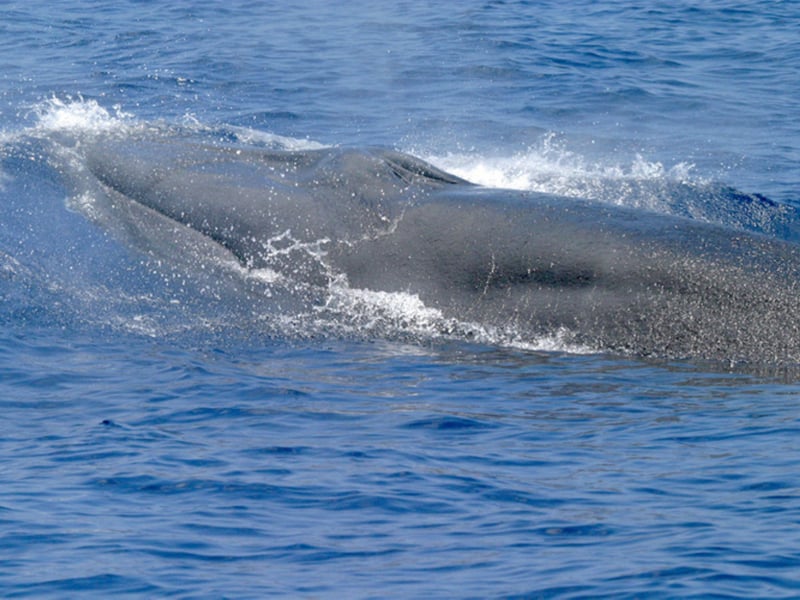
The final voice before the vote was Neil Jacobs, head of the National Oceanic and Atmospheric Administration, which oversees the critically endangered Rice’s whale and its habitat overlapping drilling zones. He referenced the 2025 National Marine Fisheries Service biological opinion that already includes protective measures — measures now rendered moot. “I support today’s action … I’ll be voting to grant the exemption.”
The committee approved the exemption unanimously. Later Tuesday, it will publish a formal order exempting “all oil and gas exploration, development and production activities associated with the BOEM and BSEE Outer Continental Shelf oil and gas program” from ESA consultation, jeopardy findings and incidental take limits.
The move marks the first time the committee has been summoned since 1991, when it was last used during Pacific Northwest timber disputes over the northern spotted owl. Created as a check on the ESA’s strict prohibitions, the panel can override species protections when economic or security stakes are deemed paramount. Critics have long called it the ultimate rubber stamp; supporters view it as a vital safety valve.
Environmental organizations had already filed suit to block the process, arguing the national security provision was never intended to greenlight an entire industry’s operations in waters home to one of the planet’s rarest whales. Those challenges now face an uphill battle.
Burgum closed the meeting with a final flourish.
“Those efforts to stop production here don’t stop the consumption of energy,” he said. “They just displace it. They create a less secure supply … We do it cleaner, better, smarter, safer, with more respect for wildlife and the environment here in the United States than anyone in the world.”
Afterward, conservation groups were scheduled to rally outside the Department of Interior.
In a statement, Stephanie Kurose, deputy director of government affairs at the Center for Biological Diversity, vowed to fight and said the committee’s action will “sacrifice imperiled animals and plants for oil industry interests.”
“This meeting is a sham,” she said. “While Hegseth and the Extinction Committee hide behind closed doors, whales, sea turtles and the entire Gulf ecosystem are left in the line of fire. We won’t stand by while they try to fast-track America’s most endangered whales to extinction.”
 Follow @gabetynes
Subscribe to our free newsletters
Our weekly newsletter Closing Arguments offers the latest about ongoing trials, major litigation and rulings in courthouses around the U.S. and the world, while the monthly Under the Lights dishes the legal dirt from Hollywood, sports, Big Tech and the arts.