
 Search Articles


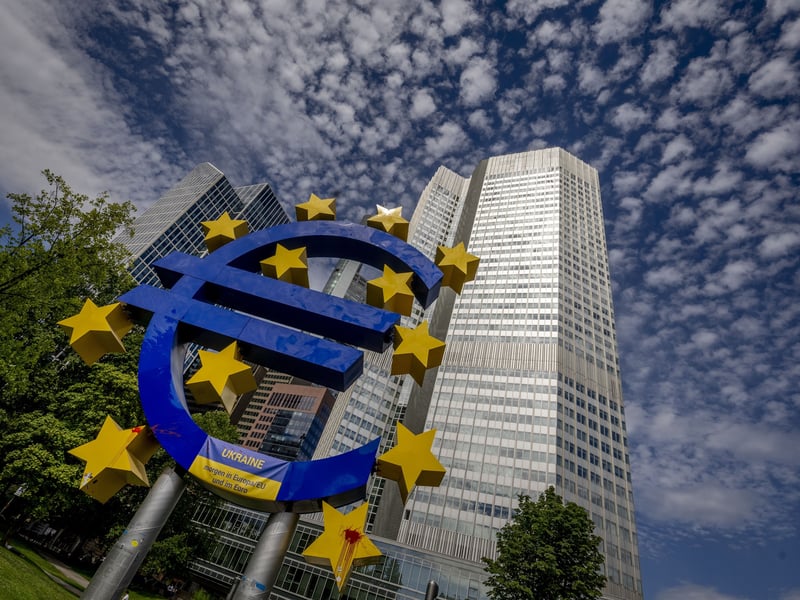
(CN) — Looking out over the next two years, European Union economists predict slow and steady growth, households maintaining a tight grip on savings and geopolitical tensions that disrupt shipment of goods.
The European Commission issued its findings in a report published Thursday.
“The European economy has left behind it an extremely challenging year, in which a confluence of factors severely tested our resilience,” said Paolo Gentiloni, EU commissioner for economy, in a statement.
“The rebound expected in 2024 is set to be more modest than projected three months ago, but to gradually pick up pace on the back of slower price rises, growing real wages and a remarkably strong labor market,” Gentiloni said.
If banks ease credit restrictions this year, Gentiloni anticipates seeing more investments moving into 2025.
By the year’s end, economists anticipate EU inflation settling around 3%, down from 6.3% last year. EU economists remain hopeful that inflation will continue to decline across member states through next year, with rates as high as 4.5% in Portugal and as low as 1.5% in France.
The drop in inflation follows energy supplies outpacing demand, likely locking in lower prices for oil and gas through the year.
Compared with earlier forecasts, the winter report tempers anticipated growth over the next two years.
The EU’s GDP has remained largely unchanged over the past five quarters, and is only expected to grow incrementally in the near future — nearly 1% this year and nearly 2% in 2025.
Looking to member states, the forecast anticipates GDP in Sweden, Estonia, Czechia and Ireland tracking the most growth while Malta may see a decline.
“Last year’s modest growth largely owes itself to the momentum of the post-pandemic economic rebound in the previous two years,” the commission said in the report. “Already towards the end of 2022, the economic expansion came to an abrupt end and activity has since been broadly stagnating, against the background of falling household purchasing power, collapsing external demand, forceful monetary tightening and the partial withdrawal of fiscal support in 2023.”
Along with decreases in inflation, economists anticipate rising wages and steady employment to “support a rebound in consumption.” Household consumption has remained low even as savings increased from 13% of disposable income in 2019 to 21% in 2022. Although increased spending did not follow increased savings, more people are directing their savings in investment funds over cash deposits.
Still, the increase in household savings is likely to rebuild financial buffers, insulating individuals from future inflation shocks. Rather than pigging out, economists therefore expect householdings to continue feeding the piggy bank.
Even with steady inflation and modest growth, the commission anticipates heightened risks from climate change as well as further supply chain disruptions, particularly as geopolitical tensions rise in the Middle East and the Red Sea.
Twelve percent of global trade is typically routed through the Suez Canal and the Red Sea, but shipments are being redirected to avoid the conflict amid attacks by Houthi rebels on Israeli ships. As a result, shipping times between Asia and Europe have increased by nearly two weeks, putting upward pressure on inflation.
 Follow @bright_lamp
Subscribe to our free newsletters
Our weekly newsletter Closing Arguments offers the latest about ongoing trials, major litigation and rulings in courthouses around the U.S. and the world, while the monthly Under the Lights dishes the legal dirt from Hollywood, sports, Big Tech and the arts.