
 Search Articles


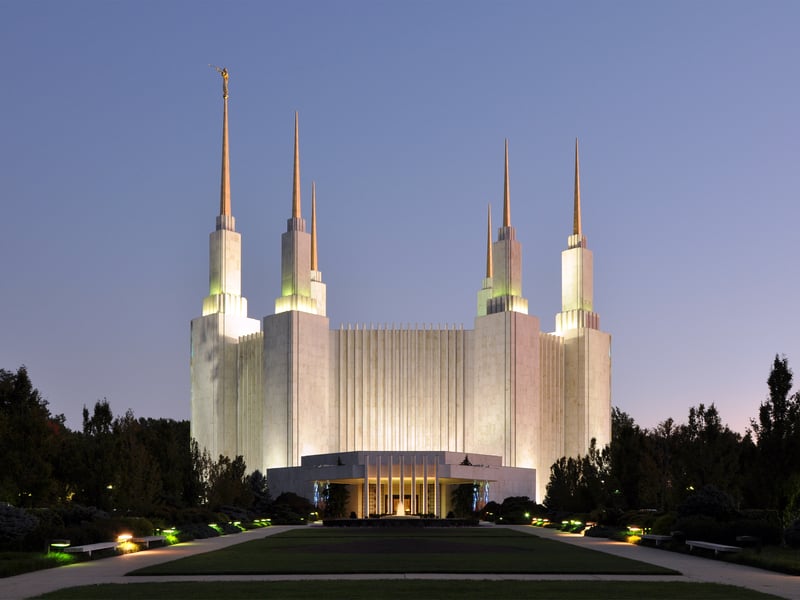
(CN) — An en banc panel of the Ninth Circuit Court of Appeals sided with the Church of Jesus Christ of Latter-day Saints, commonly known as the Mormon church, in a fraud lawsuit brought by a prominent former member over the use of tithing money to develop a shopping mall in Salt Lake City.
The panel of 11 judges on Friday reversed the 2023 ruling by a customary three-judge appellate panel that, in a split decision, reinstated James Huntsman’s fraud claims.
The en banc court, in an opinion written by U.S. Circuit Judge Michelle Friedland, a Barack Obama appointee, said that no reasonable juror could conclude that the church misrepresented the source of funds for the City Creek project. The church, they reasoned, had long explained that the sources of the reserve funds included tithing funds.
“Although the church stated that no tithing funds would be used to fund City Creek, it also clarified that earnings on invested reserve funds would be used,” Friedland said. “The church had long explained that the sources of the reserve funds include tithing funds.”
Huntsman, the judge said, had not presented evidence that the Mormon church did anything other than what it said it would do.
Huntsman is the son of the late billionaire philanthropist Jon Huntsman Sr. and brother of former Utah governor and presidential candidate Jon Huntsman Jr. He sought the return of $5 million in tithings he gave to the church before he left it, claiming it misrepresented to him that the 10% of his income he was required to contribute each year wouldn’t be used for commercial purposes.
A federal judge in Los Angeles threw out Huntsman’s lawsuit in 2021 on summary judgment after concluding, as the en banc panel did today, that no reasonable juror could find that the church fraudulently misrepresented that no tithing funds would be or were being used to finance the City Creek project.
The two-judge majority that reinstated Huntsman’s lawsuit last year disagreed, reasoning that a 2003 statement by Gordon Hinckley, the late president of the church, that no “tithing funds” would be used to fund the City Creek project could be understood to mean neither tithing funds principal nor earnings on tithing principal would be used.
In its bid for en banc review, the church argued that by allowing this “novel tithing-fraud” claim to proceed, the appellate panel not only ignored the Supreme Court’s First Amendment holdings but created a profound threat to religious liberty.
U.S. Circuit Judge Daniel Bress, a Donald Trump appointee, addressed this argument in a concurring opinion, saying that Huntsman’s lawsuit was “extraordinary and patently inappropriate, a not-so thinly concealed effort to challenge the church’s belief system under the guise of litigation.”
“The majority is correct that there was no fraudulent misrepresentation even on the terms of plaintiff’s own allegations,” Bress said. “But it would have done well for the en banc court to recognize the obvious: there is no way in which the plaintiff here could prevail without running headlong into basic First Amendment prohibitions on courts resolving ecclesiastical disputes.”
Bress was joined in his concurrence by U.S. Circuit Judges Milan Smith Jr., a George W. Bush appointee, Jacqueline Nguyen, an Obama appointee, and Lawrence VanDyke, a Trump appointee.
U.S. Circuit Judge Patrick Bumatay, also a Trump appointee, wrote a separate opinion, concurring in the dismissal of Huntsman’s appeal but objecting to his colleagues even addressing the merits of the fraud claims.
“The Constitution gives us no such choice,” Bumatay said. “In deciding religious matters, the Constitution strictly limits our authority. Simply put, the church autonomy doctrine bars federal courts from resolving matters of faith, doctrine, and church governance.”
An attorney for Huntsman didn’t immediately respond to a request for comment on the ruling.
 Follow @edpettersson
Subscribe to our free newsletters
Our weekly newsletter Closing Arguments offers the latest about ongoing trials, major litigation and rulings in courthouses around the U.S. and the world, while the monthly Under the Lights dishes the legal dirt from Hollywood, sports, Big Tech and the arts.