Search Articles


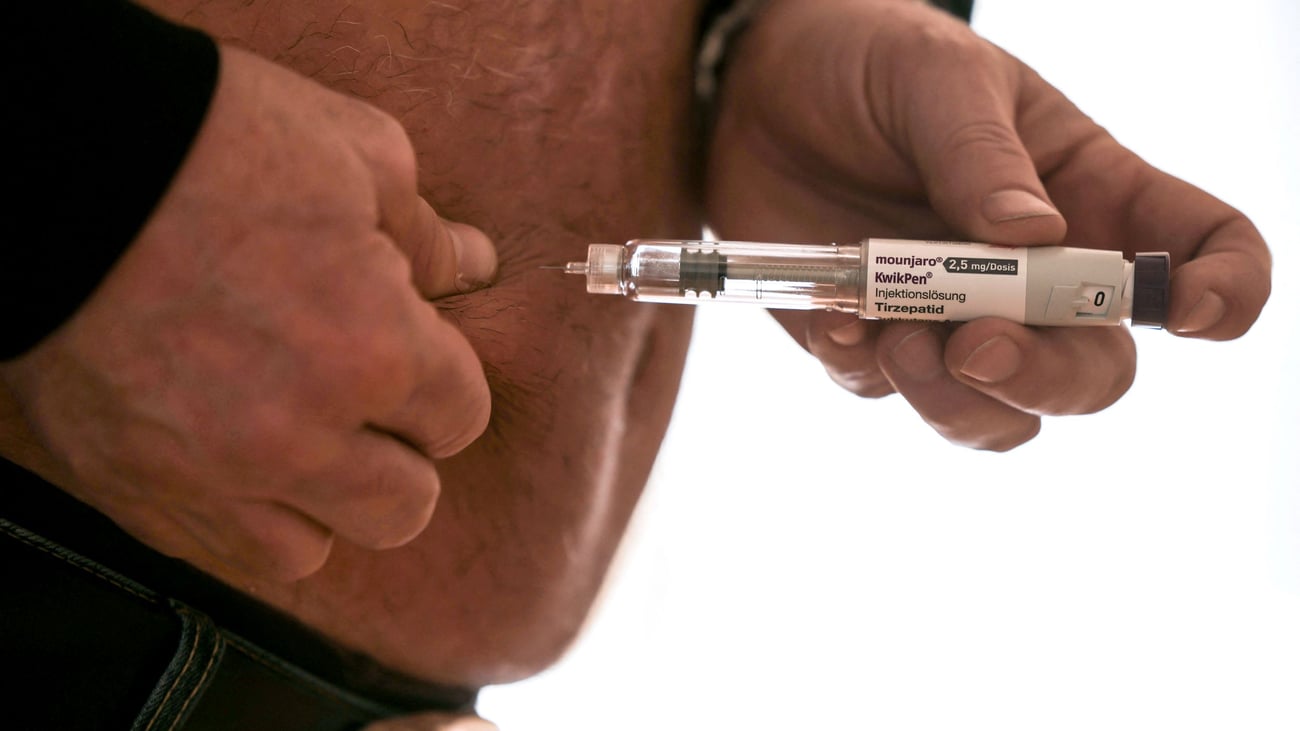
(CN) — Eli Lilly and Co., on its second try, was cleared to proceed with its unfair competition lawsuit against Mochi Health, a telehealth company that sells compounded versions of Lilly’s tirzepatide drugs Zepbound and Mounjaro.
U.S. District Judge Jacqueline Scott Corley in San Francisco partially denied Mochi Health’s bid to dismiss Lilly’s complaint and allowed the pharmaceutical behemoth to go forward on its claims under California’s Unfair Competition Law and under the federal trademark Lanham Act.
Corley, a Joe Biden appointee, last year had granted Mochi Health’s motion to dismiss the lawsuit because, she said, Lilly had failed to articulate how it was harmed by the rival seller of weight-loss drugs. Lilly’s amended complaint, however, addressed that question sufficiently to survive the telehealth company’s renewed attempt to get the case thrown out.
“As to economic injury, Lilly alleges Mochi Health diverts potential customers — and concomitant sales — from Lilly’s FDA-approved medications through its corporate practice of medicine as well as a series of misleading advertisements,” Corley said in Monday’s order.
The corporate practice of medicine, where business entities without a medical license and motivated by making profits rather than doctors decide on medical care, is prohibited in California.
Lilly claims Mochi Health hires the physicians working at its entities, advertises for them and provides “diagnostic protocols” related to obesity medicine. Moreover, according to Lilly, Mochi Health has unilaterally altered existing compounded medication doses for its customers for business reasons rather than medical ones.
“Regarding reputational injury, Lilly plausibly alleges Mochi Health’s conduct harms consumer perception of FDA-approved tirzepatide medications,” the judge said
In this regard, she cited the pharmaceutical company’s argument that studies have indicated a higher incidence of adverse side effects among users of compounded GLP-1 inhibitors, such as tirzepatide, compared to FDA-approved formulations. She also noted findings that consumers are confused about the difference between compounded medications and FDA-approved medications.
The California Medical Association filed an amicus brief last year in opposition to Mochi Health’s motion to dismiss the complaint, emphasizing the importance of the state’s prohibition on lay entities and individuals employing doctors or otherwise directly dictating the manner, scope or type of care that doctors provide.
“Lilly’s complaint includes many allegations that, if proven, depict both classic and more nuanced violations of [corporate practice of medicine],” the organization argued. “In toto, the complaint alleges a systematic scheme by Mochi Health and its non-licensed owners to direct, influence, or interfere with the medical care of patients in a closely-aligned if not ‘captured’ medical group.”
Telehealth businesses have been making inroads in recent years into the market for popular weight loss drugs developed by major pharmaceutical companies. They sell compounded versions of the drugs, which don’t require approval from the Food and Drug Administration and which, according to large drugmakers, are not as rigorously tested as FDA-approved drugs for safety, efficacy and quality.
Last year, Washington’s Pharmacy Quality Assurance Commission, stopped production at Aequita Pharmacy, the compounder that also owns Mochi Health and was used to produce its tirzepatide drugs, because it allowed untrained and unqualified staff to perform sterile compounding and didn’t properly supervise staff.
In Monday’s ruling, the judge did grant Mochi Health’s request to dismiss Lilly’s civil conspiracy claim because, she said, the amended complaint “does not include allegations supporting a plausible inference of an agreement to a common plan among Mochi Health, the Mochi Medical defendants, and Aequita Pharmacy.
She gave Lilly another opportunity to amend its lawsuit to try to overcome the shortcomings of that claim.
Lilly sued three other telehealth sellers of compounded, knockoff versions of its tirzepatide drugs last April in addition to Mochi Health.
“The court’s decision confirms that common tactics used by many mass compounders are false and misleading, including advertising compounded knockoffs as FDA-approved or clinically proven and marketing standardized, mass compounded tirzepatide drugs as ‘personalized’ for patients," a Lilly representative said in response to the ruling. “This decision follows numerous other rulings Lilly has obtained in federal courts against the practices of telehealth companies, medspas, and mass compounders, including more than a dozen permanent injunctions.”
A representative of Mochi Health said it was pleased with the ruling.
“We remain confident in our position and look forward to demonstrating through the discovery process that Mochi operates lawfully and in the best interest of patients,” a spokesperson said in an email.
 Follow @edpettersson
Subscribe to our free newsletters
Our weekly newsletter Closing Arguments offers the latest about ongoing trials, major litigation and rulings in courthouses around the U.S. and the world, while the monthly Under the Lights dishes the legal dirt from Hollywood, sports, Big Tech and the arts.