Search Articles


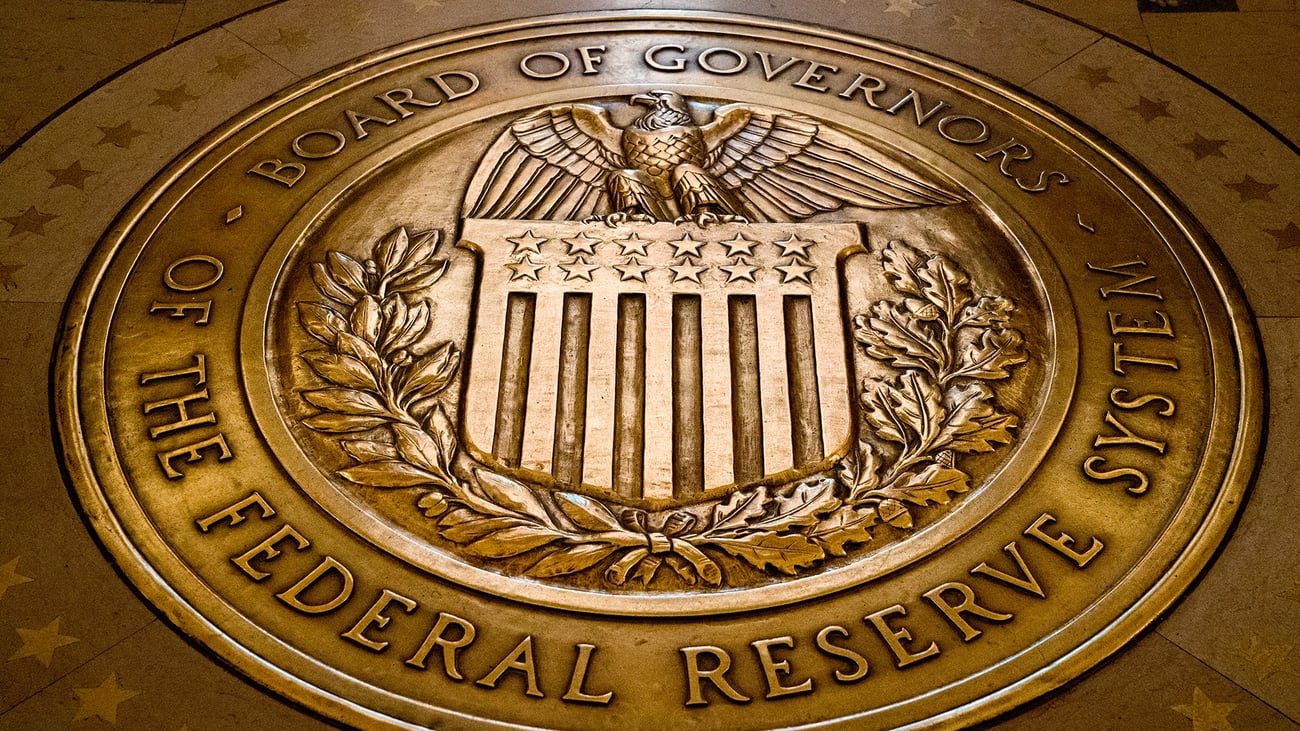
ST. PAUL, Minn. (CN) — A truck stop told an Eighth Circuit panel Wednesday the Federal Reserve’s set fee cap on debit card swipes is far higher than Congress ever intended.
Corner Post, a North Dakota-based convenience store, argues the 21-cent interchange fee cap imposed on debit card transactions departs from the plain text of the Durbin Amendment and inflates fees for the benefit of big banks.
Enacted in 2010, the Durbin Amendment requires the Federal Reserve Board to ensure interchange fees are “reasonable and proportional” to the cost actually incurred by a bank for a given transaction, as part of a broader effort to curb skyrocketing swipe fees.
When the Fed first proposed its rules, it suggested a 12-cent cap after surveying bank transaction costs, though intense lobbying by the financial sector nearly doubled the limit to 21 cents, plus an additional percentage for the transaction value itself and fraud prevention.
The cap affects banks with over $10 billion in assets, and while it does not force a bank to charge 21 cents, the cap tends to become the going rate.
On Wednesday, the Fed defended that framework noting the 21-cent cap cut pre-regulation rates by about half, thus fulfilling Congress’ goal of lowering fees while still allowing issuers to recover basic transaction processing costs.
“There can be no question that the board fully implemented Congress’s purpose,” Fed attorney Joshua Chadwick said.
Tyler R. Green, Corner Post’s attorney, told the three-judge panel the Fed went far beyond what the statute allows by letting banks recover fixed costs from implementing equipment and software, rather than just the incremental costs associated with a particular transaction.
“If the question was an average across the country for all issuers, then I think the answer is no,” Green said when asked if the Fed can use a nationwide average to set a flat fee. “It has to be issuer-specific, and it has to be transaction-specific.”
The three-judge panel appeared largely skeptical of the Fed’s inclusion of fixed costs in the fee cap. U.S. Circuit Judge Duane Benton questioned whether the Fed’s regulation goes beyond the breadth of its authority, noting Congress did not intend to provide it with a “blank check.”
The George W. Bush appointee also appeared sympathetic to Corner Post’s argument that the Fed is improperly grouping transaction processing costs with costs for hardware, equipment, software and labor.
“Boy, that just seems to be defining words that don’t fit together,” Benton said, to which the Fed responded no debit card transactions can occur without incurring those types of costs.
“It must be the case that Congress anticipated that issuers were going to recover some of the fundamental costs that they need to process transactions,” Chadwick said.
U.S. Circuit Judge David Stras echoed Benton’s skepticism, questioning how a flat 21-cent fee could reflect the actual cost of each transaction and suggesting the current cap is out of step with what the law describes.
“I think what it’s getting at is a certain fixed cost. You can’t really spread those among the issuers,” the Donald Trump appointee said, noting Congress likely intended a transaction-specific cost. “Now that might be a dumb way to run a railroad, but that’s how I read what this is getting at.”
Corner Post initially had its challenge swatted due to statute of limitation concerns until alandmark 2024 Supreme Court ruling held the six-year statutory clock starts only when a plaintiff is actually injured — allowing Corner Post’s claim to proceed as it opened for business years after the fee cap was put in place.
In August 2025, a federal court in North Dakota found the 21-cent cap illegal, holding the rule treated certain costs as recoverable that federal law classifies as prohibited, and that merchants often end up bearing the brunt of most costs incurred throughout the debit transaction process.
The Fed countered the ruling, arguing the Durbin Amendment grants it broad discretion to establish fee standards — and distinguishing between fixed and variable costs is practically impossible in modern banking infrastructure.
The board also warned requiring issuer-specific fee caps would be an administrative nightmare and cause chaos to the national payment system — claiming this is why Congress tasked it with setting standards.
“You can never know the isolated cost of one single transaction,” Chadwick said. “No matter what, the board is going to be aggregating transactions and using a representative transaction consistent with the statutory text.”
But Corner Post claims — and the appellate panel appeared to agree — the board could set tiered standards based on banks’ asset size, transaction volume and geography, so long as the tiers are grounded in clearly defined issuer and transaction specific incremental costs.
“This is where the board has to do its job,” Green said. “We’re now 15 years into this regulatory regime, and we don’t have an answer from the board about what incremental costs are.”
The Fed noted there is no agreed-upon economic definition of incremental costs, and the board used its best judgment to interpret the statute the way it did.
While appearing largely opposed to the fee cap, the panel did recognize the Fed would face clear policy and implementation concerns should it get an unfavorable ruling, which may afford it at least some leeway.
In 2023, the Fed did propose lowering the cap from 21 cents to 14.4 cents, but that attempt has been stalled by fierce resistance from banking groups.
U.S. Circuit Judge Lavenski Smith, a George W. Bush appointee, rounded out the three-judge appellate panel.
Subscribe to our free newsletters
Our weekly newsletter Closing Arguments offers the latest about ongoing trials, major litigation and rulings in courthouses around the U.S. and the world, while the monthly Under the Lights dishes the legal dirt from Hollywood, sports, Big Tech and the arts.