
 Search Articles


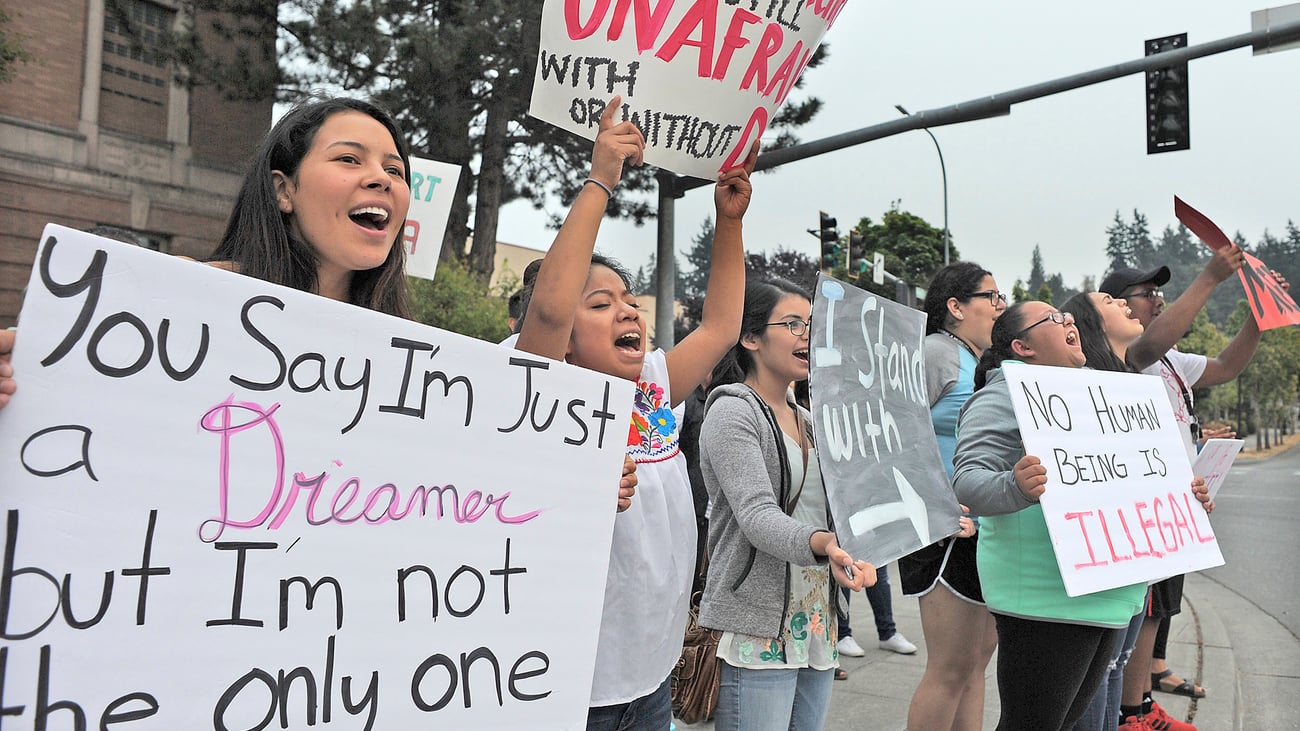
BOSTON (CN) — The Justice Department claims in two lawsuits filed Monday that Massachusetts and Rhode Island are violating federal law by offering in-state tuition and scholarships to students who live in the state but entered the country illegally.
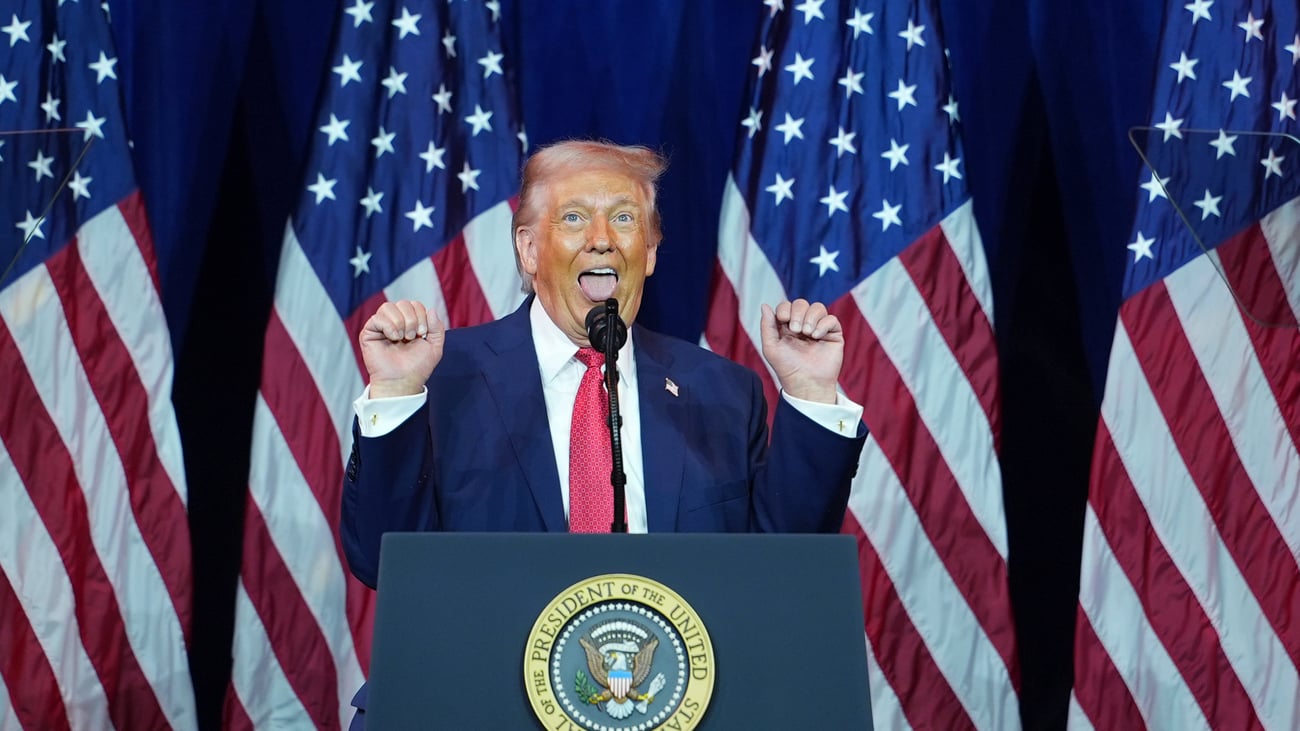
“The Department of Justice is committed to fulfilling President Trump’s promise that illegal aliens will not receive taxpayer benefits or preferential treatment over America’s own citizens," Associate Attorney General Stanley Woodward said in a DOJ statement. “As our nation marks 250 years of freedom, we will continue to challenge state laws that place aliens over citizens in clear defiance of Congress’s commands.”
In addition to claiming the two states are unconstitutionally discriminating against U.S. citizens who don’t get the same tuition rates, the department says the laws incentivize and reward illegal immigration.
Assistant Attorney General Brett Shumate added that the Trump administration “will not tolerate American students being treated like second-class citizens in their own country.”
At issue is a 1996 federal statute that says that “an alien who is not lawfully present in the United States” can’t receive any tuition benefit that isn’t also available to U.S. citizens who live in other states.
The DOJ says both states are violating the supremacy clause and asks for the courts to block their enforcement.
The two states enacted their tuition equity statutes during the Biden administration — Massachusetts in 2023 and Rhode Island in 2021, although in practice Rhode Island had followed a similar policy since 2011.
According to the government in its Massachusetts complaint, the government pointed out that Massachusetts College of Art and Design in Boston charges state residents less than $16,000 a year for tuition but students from other states pay $44,700.
Rhode Island College charges state residents about $5,000 a year but out-of-state residents pay almost $14,000, according to prosecutors in the Rhode Island complaint.
The federal statute doesn’t prohibit states from allowing students who are in the U.S. without legal permission to attend colleges or to receive state financial aid. If they do so, however, the DOJ argues the states must allow out-of-state residents to pay the same tuition rates.
The lawsuits are the latest effort by the administration to ban tuition breaks for people who are living in the country without legal permission. Some 21 states have passed such tuition equity laws, and at least 14 states allow such students to receive state financial aid.
The federal government has previously won injunctions against the practice in Kentucky, Nebraska, Oklahoma and Texas, and similar suits are pending in federal courts in California, Illinois, Kansas, Minnesota, New Jersey and Virginia.
In addition, private plaintiffs have won injunctions in Arizona, Virginia, and Texas.
However, a Minnesota federal court upheld that state’s “tuition equity” law, finding that it was valid because eligibility wasn’t based solely on in-state residency but rather on having graduated from a state secondary school. The federal government is appealing that decision.
In 2010, the California Supreme Court unanimously upheld the state’s tuition equity law, and the U.S. Supreme Court declined to review the case.
Florida repealed its tuition-equity law in 2025, and Oklahoma repealed its law in May.
Subscribe to our free newsletters
Our weekly newsletter Closing Arguments offers the latest about ongoing trials, major litigation and rulings in courthouses around the U.S. and the world, while the monthly Under the Lights dishes the legal dirt from Hollywood, sports, Big Tech and the arts.
Additional Reads

 It's all about money June 29, 2026