
 Search Articles


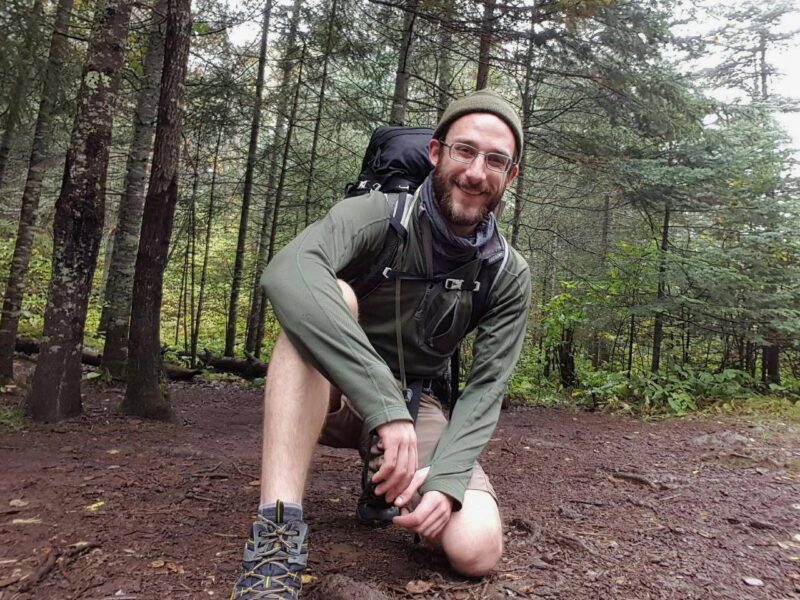
MINNEAPOLIS (CN) — The U.S. Department of Justice has opened a civil rights investigation into the fatal shooting of Alex Pretti, the 37-year-old killed by Border Patrol agents on Jan. 24 amid a federal crackdown in Minnesota.
Deputy Attorney General Todd Blanche said during a Friday news conference that the Justice Department and the Federal Bureau of Investigation will look at everything that would “shed light on” what happened that day, as well as in the days and weeks leading up to the shooting.
“That’s like any investigation that the Department of Justice and the FBI does every day,” he said. “It means we’re looking at video, talking to witnesses, trying to understand what happened.”
Homeland Security Secretary Kristi Noem alluded to the investigation during a Fox News interview Thursday evening. Noem’s department previously said the investigation would be a “limited” DHS-led use-of-force inquiry.
DHS Assistant Secretary Tricia McLaughlin said in a Friday statement that the department will no longer lead the investigation, but that a Homeland Security Investigation unit will support the FBI.
Noem has faced backlash over her department’s initial handling of the shooting. Calling Pretti a domestic terrorist, she claimed he aggressively approached officers with a gun in hand — statements contradicted by video evidence.
Friday’s announcement is more in line with how investigators typically deal with the fallout of law-enforcement-involved fatal shootings.
Despite the reversal, Blanche downplayed the idea that this is some “massive civil rights investigation,” choosing instead to describe it as a standard FBI investigation.
Friday’s announcement differs from the federal response to the Jan. 7 killing of Renee Good, who was shot by Immigration and Customs Enforcement agents in Minneapolis. Blanche said a similar civil rights investigation is not warranted in that case and that there doesn’t need to be a heavy investigation into every law enforcement shooting.
“President Trump has said repeatedly, of course that [the Pretti shooting] is something we’re going to investigate,” Blanche said, choosing not to describe the investigation in detail. “It doesn’t mean that every time that there is a federal-officer related shooting that that’s something [the DOJ’s Civil Rights Division] takes up.”
Neither Blanche nor the FBI have announced whether the department will share information and evidence with Minnesota state investigators, who have been repeatedly cut out of investigations into ICE-involved fatal shootings in their state.
Minnesota Governor Tim Walz, Minneapolis Mayor Jacob Frey and other state leaders have expressed the need for the state to be included in these investigations in order to ensure they are carried out as fairly and thoroughly as possible. There is little precedent for the federal government to block a state from contributing to such investigations.
Friday’s announcement follows growing concern across the political spectrum over the Trump administration’s handling of the Pretti killing and immigration enforcement in Minnesota.
Minnesota Republican Chris Madel ended his bid for governor in response to the shooting — criticizing what he called a “federal retribution on the citizens of our state.”
The Pretti shooting also saw an unexpected rift from the National Rifle Association — a key part of Trump’s base. The group called legal justifications for the shooting “indefensible,” highlighting unease among Second Amendment supporters who see the killing of a lawful gun owner as a threat to rights the administration pledged to protect.
In an attempt to quell backlash, President Trump took measures to shake up leadership of the ICE operation in the state, sending in border czar Tom Homan to replace Border Patrol official Gregory Bovino on Monday.
Homan said he plans to draw down the federal operation in the Twin Cities based on presumed cooperation from state and local officials.
Subscribe to our free newsletters
Our weekly newsletter Closing Arguments offers the latest about ongoing trials, major litigation and rulings in courthouses around the U.S. and the world, while the monthly Under the Lights dishes the legal dirt from Hollywood, sports, Big Tech and the arts.