
 Search Articles


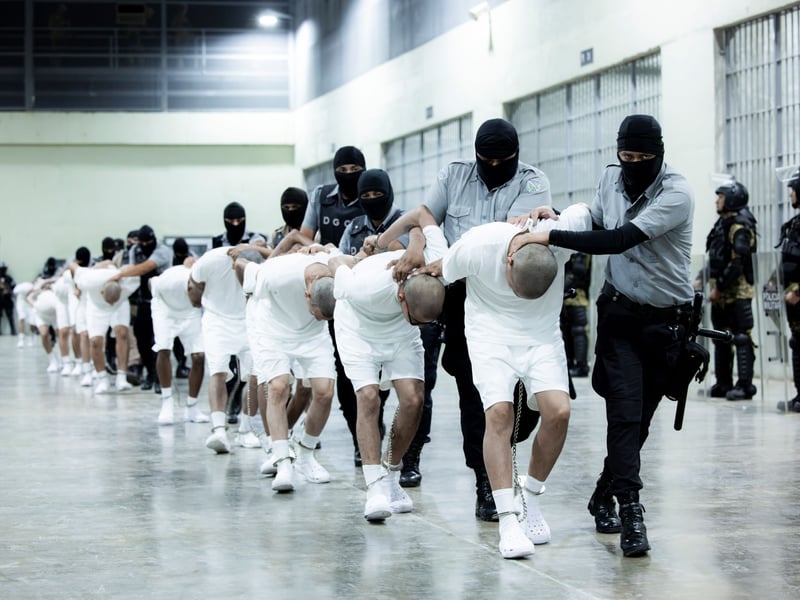
WASHINGTON (CN) — A D.C. Circuit panel ruled Friday to vacate Chief U.S. District Judge James Boasberg’s finding that the Trump administration could be held in contempt for flouting his orders requiring the return of two deportation flights filled with Venezuelan migrants in March.
The three-judge panel ruled 2-1, granting the administration’s request to overturn Boasberg’s finding, which could have set up criminal contempt proceedings.
However, the panel unanimously declined to take up the appeal in full, remanding the case to the U.S. District Court for the District of Columbia.
U.S. Circuit judges Neomi Rao and Gregory Katsas, both Donald Trump appointees, sided with the government. U.S. Circuit Judge Cornelia Pillard, a Barack Obama appointee, dissented.
Boasberg, a Barack Obama appointee, ruled April 16 that the government’s actions at an emergency hearing on March 15 “demonstrate[d] a willful disregard for [the court’s] order,” after finding the government knowingly ordered the planes to take off in the middle of the hearing.
“It appeared that the government had transferred members of the plaintiff class into El Salvador’s custody hours after this court’s injunction prohibited the deportation under the proclamation,” Boasberg wrote. “Worse, boasts by defendants intimated that they had defied the court’s order deliberately and gleefully.”
In his concurrence, Katsas slammed Boasberg’s ruling as an “improper use of the contempt power” and an effort to compel the government into complying with his initial orders, which had been overturned by the Supreme Court. The high court had ruled the habeas challenge should have been brought in Texas, where the migrants were detained.
“The government correctly says it has been put to a Hobson’s choice: comply with an invalid order or name executive branch officials for the initiation of criminal contempt proceedings,” Katsas wrote. “The proffered choice impermissibly commingles civil and criminal contempt in a manner that results in substantial prejudice to the government.”
Worse, in Katsas’ view, the order would exert control over the executive’s conduct of foreign affairs, “an area in which a court’s power is at its lowest ebb.”
Boasberg’s order that the government could “purge” the possible contempt by asserting custody over the initial 137 migrants held at the infamous CECOT megaprison in El Salvador was particularly problematic, Katsas said, as another effort to coerce compliance.
In her dissent, Pillard wrote that Boasberg acted well within his authority in response to the government’s actions.
“The rule of law depends on obedience to judicial orders,” Pillard said. “Our system of courts cannot long endure if disappointed litigants defy court orders with impunity rather than legally challenge them. That is why willful disobedience of a court order is punishable as criminal contempt.”
She dismissed her colleagues’ decision as erroneous, noting they all agreed the panel lacked appellate jurisdiction over such a procedural decision as the probable cause finding.
Pillard said Rao’s suggestion that the probable cause finding may have been valid without the “purge” option had no legal basis.
Since Boasberg’s April finding, there have been significant developments in the case, with the government announcing in July that 252 of the CECOT detainees had been repatriated to Venezuela.
According to their attorneys in Washington, many of them want to return to the United States, as many had initially sought refuge from the Maduro regime in Venezuela.
The decision follows a recent escalation in the Trump administration’s battle against the federal judiciary, when the Justice Department filed a misconduct complaint against Boasberg for expressing concern that the administration would flout court orders at a closed-door session of the Judicial Conference on March 11.
In its complaint, now before Chief U.S. Circuit Judge Sri Srinivasan, the Justice Department highlighted Boasberg’s conduct throughout the Venezuelan deportations case, asking Srinivasan to take Boasberg off the case and open a formal investigation.
It was the second such misconduct complaint filed against a Washington judge, with U.S. District Judge Ana Reyes targeted for her “hostile and egregious misconduct” during the proceedings of *Talbott v. Trump, * a case challenging the president’s ban on transgender people serving in the military.
Attorney General Pam Bondi applauded the panel’s decision as a “major victory” defending the president’s use of the Alien Enemies Act in a statement on X.
“The D.C. Circuit Court of Appeals affirmed what we’ve argued for months: Judge Boasberg’s attempt to sanction the government for deporting criminal-alien terrorists was a ‘clear abuse of discretion’ — failed judicial overreach at its worst,” Bondi said.
 Follow @Ryan_Knappy
Subscribe to our free newsletters
Our weekly newsletter Closing Arguments offers the latest about ongoing trials, major litigation and rulings in courthouses around the U.S. and the world, while the monthly Under the Lights dishes the legal dirt from Hollywood, sports, Big Tech and the arts.