Search Articles


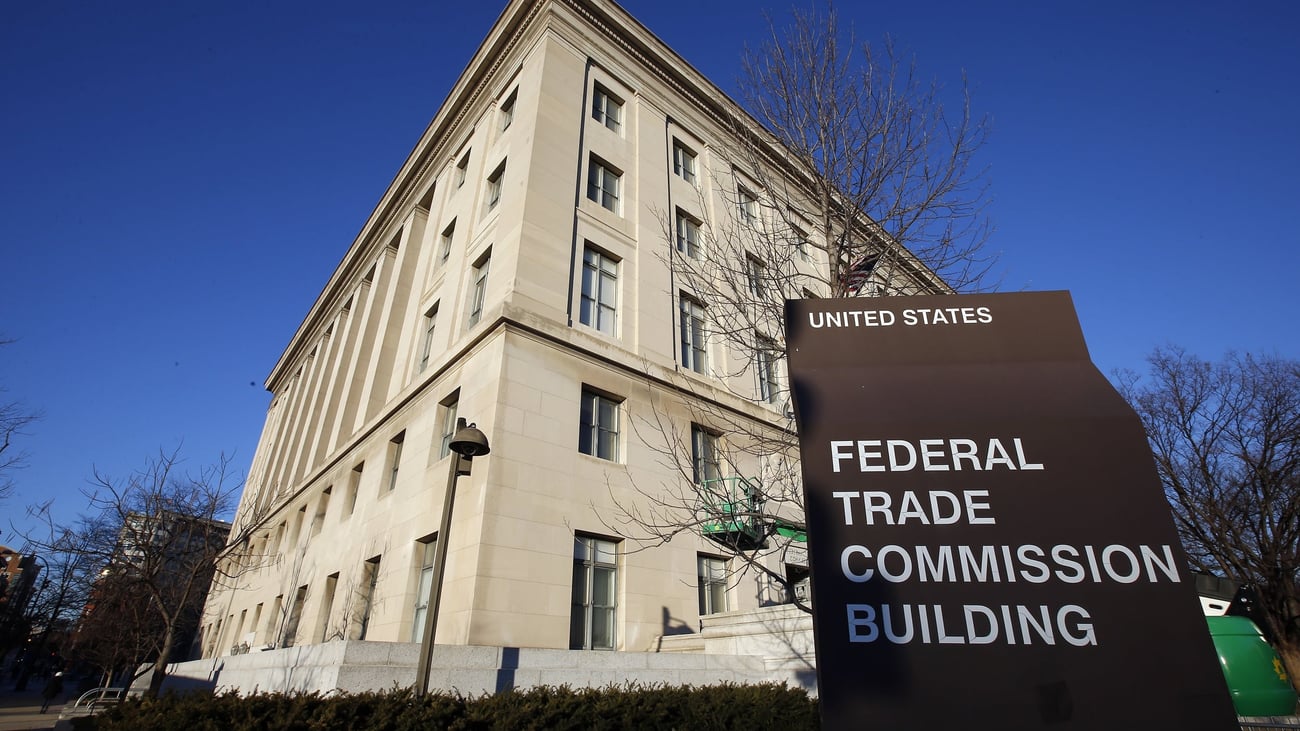
WASHINGTON (CN) — The Federal Trade Commission on Monday struggled to convince a D.C. Circuit panel to overturn a federal ruling that nonprofit watchdog Media Matters was issued a civil subpoena in retaliation for its reporting on increased white nationalist and antisemitic content on Elon Musk’s X.
The three-judge panel appeared skeptical of the FTC’s assertion that the civil investigative demand — or CID — was purely part of a wider antitrust investigation into potential collusion among major advertisers to boycott X, formerly Twitter, rather than a targeted campaign against the nonprofit.
According to Media Matters, the FTC sought documents about the group’s finances, editorial process and newsgathering activities — including journalists’ notes — as well as its affiliations with similar organizations that monitor extremist content online.
U.S. Circuit Judge Patricia Millett, a Barack Obama appointee, grilled FTC attorney Thomas Byron about the agency’s claims the nonprofit didn’t exhaust its options before coming to court and could only challenge the subpoena before an FTC panel.
Millett said any irreparable harm, especially one as onerous as a free speech violation, must be reviewable by a federal court rather than a government agency.
“This will be a case of first precedent for us to hold, as well as that the government can inflict irreparable constitutional injury, as the district court found, and then channel them into nothing, unless the government chooses to open the door?” Millett asked.
Byron said Media Matters never argued the scope of the probe was too large and noted there were 17 other similar demands issued to advertisers. The nonprofit’s CID, he said, was meant to access any information it had on the apparent advertiser boycott.
Byron added that under the FTC Act, the nonprofit could only bring a challenge in court once the FTC moved to enforce the demand.
Millett was unconvinced, expressing concern that such a position would “license the government to engage in rampant constitutional violations of speech.”
U.S. Circuit Judge Gregory Katsas, a Donald Trump appointee, separately noted that First Amendment retaliation cannot be treated as the “cost of doing business with the government.”
Monday’s arguments mark the second time the appeals court has reviewed a civil investigative demand targeting Media Matters.
Texas Attorney General Ken Paxton issued a near-identical demand in November 2023, which another panel unanimously found violated the First Amendment because of its chilling effect and the reputational harm that reduced interview access and business.
Missouri Attorney General Andrew Bailey launched an identical investigation after Musk launched a “thermonuclear” lawsuit against the nonprofit for its reporting on X’s advertiser exodus.
In a heated exchange, Millett pressed Byron to explain how the CID was not another step in that same campaign, considering FTC Chairman Andrew Ferguson’s vocal opposition to the nonprofit and Media Matters’ argument that it was simply put in the government’s bullseye because it “dared” to publish the article.
“Either they’ve been swept up in some other investigation, but they’ve been swept up for one reason and one reason only, or perhaps the entire investigation somehow thinks it is an illegal advertiser boycott to expose Nazi misinformation,” Millett said.
Byron argued the investigation was totally unrelated to Media Matters’ reporting, but Millett noted that U.S. District Judge Sparkle Sooknanan found a causal link between the two, adding there was an “extraordinarily troublesome record of government behavior and comments.”
Millett cited Ferguson’s comments bragging he was “standing up to the radical left.” She asked “What’s radical left about being anti-Nazi?”
Byron responded that the court should not put too much weight into Ferguson’s political statements, considering his role as a political appointee, and asserted the investigation was not sparked by ideology.
Nathaniel Zelinsky, of the Washington Litigation Group and representing Media Matters, urged the panel to affirm Sooknanan’s injunction and slammed the FTC’s position on judicial review as “pretty problematic.”
“Imagine the worst type of retaliation you can think of, under the government’s theory, they can hold that retaliatory CID causing all of these attendant harms like a sword of Damocles over the head of the victim, and the victim can’t do anything about it,” Zelinsky said. “That is an extraordinary conclusion.”
In February, the media reliability organization NewsGuard sued the FTC over a near-identical demand that the organizations said was in retaliation for its low ratings of conservative outlets Newsmax and One America News on its Source Reliability Ratings service.
NewsGuard has asked U.S. District Judge Dabney Friedrich, a Trump appointee, to follow Sooknanan’s example and block enforcement of the documents request.
However, Friedrich expressed doubt at a March 4 hearing that the organizations had shown the CID had caused them irreparable harm and counted as a challengeable enforcement action.
The panel was rounded out by U.S. Circuit Judge Robert Wilkins, an Obama appointee.
 Follow @Ryan_Knappy
Subscribe to our free newsletters
Our weekly newsletter Closing Arguments offers the latest about ongoing trials, major litigation and rulings in courthouses around the U.S. and the world, while the monthly Under the Lights dishes the legal dirt from Hollywood, sports, Big Tech and the arts.