
 Search Articles


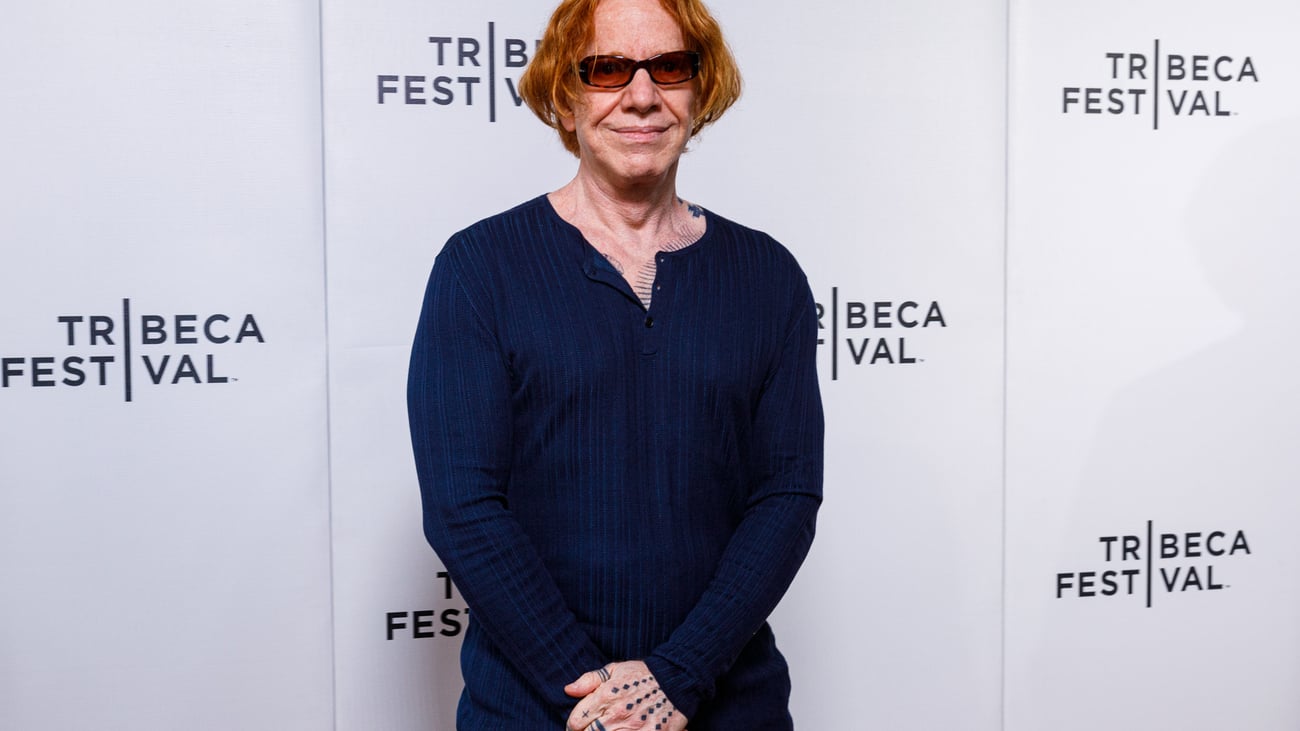
LOS ANGELES (CN) — Composer Danny Elfman asked a California appeals court Wednesday to reconsider his motion to dismiss a defamation lawsuit filed by a musician over his strongly worded denial of sexual misconduct accusations.
Nomi Abadi has said that she considered Elfman, the former lead singer of Oingo Boingo who went on to write the theme music for “The Simpsons” and the scores for numerous films, a mentor. Among other things, she accused the 72-year-old of touching her inappropriately and masturbating in front of her in the 2010s. In 2018, as the “Me Too” movement was in full bloom, Elfman agreed to pay Abadi $830,000 in exchange for her signature on a nondisclosure agreement.
In 2023, Rolling Stone reported Abadi was suing Elfman, claiming breach of contract over failure to pay the full amount he’d promised. The article made public the sexual harassment allegations for the first time, which Elfman vehemently denied. Elfman, in his statement to the magazine, contended Abadi had a “childhood crush” on the older composer and intended to “break up my marriage and replace my wife.”
Abadi filed a second lawsuit against Elfman, this time claiming defamation, writing in the complaint: “In publicly branding Nomi as a liar, and a failed temptress who lied about him for reasons of revenge and greed, Elfman and his representatives defamed Nomi." Among other things, she claimed she filed a police report that accused Elfman of indecent exposure.
Elfman filed an anti-SLAPP motion, a legal tactic used to quickly dismiss lawsuits aimed at limiting one’s free speech and public participation, arguing his letter, which Rolling Stone quoted, was actually a pre-litigation demand letter and, thus, protected speech. But a Superior Court judge disagreed, writing that the letter was really more of a “press release rather than a demand letter” and functioned “more as a means of rebutting allegations of sexual misconduct rather than a prelitigation demand.”
On Wednesday, Elfman’s attorney Samuel Moniz tried to convince a three-judge panel that the letter was protected speech. The letter, he said, “put Rolling Stone on notice of certain facts that would support a finding of malice” — a finding that would bolster a defamation lawsuit against the magazine, which Moniz said his client was considering.
“The mere fact that this statement might have been allowed to be distributed, that doesn’t itself take us out of the litigation privilege,” Moniz argued.
Moniz also said many of the different statements cited in Abadi’s lawsuit were not defamatory by themselves, arguing that it was a “reasonable inference for Elfman to have made that she was romantically interested in him.”
Deborah Drooz, Abadi’s attorney, argued the timing of Elfman’s letter was evidence he was simply going out of his way to defame his accuser, not seriously considering a lawsuit.
“When Elfman talked to Rolling Stone, Rolling Stone was just investigating,” Drooz told the panel. “How in the world, under those circumstances, can Elfman, except out of pure paranoia, have earnestly contemplated litigation? It was too early. There was no ripe dispute. There was no dispute at all.”
She added: “If this had been a demand for retraction, that would have been privileged. That would be a specific functional step.”
Elfman’s statements, she argued, were defamatory because they effectively accused Abadi of filing a false police report.
The panel, which comprised Justices Lee Edmon, Rashida Adams and Mark Hanasono, took the arguments under submission.
 Follow @hillelaron
Subscribe to our free newsletters
Our weekly newsletter Closing Arguments offers the latest about ongoing trials, major litigation and rulings in courthouses around the U.S. and the world, while the monthly Under the Lights dishes the legal dirt from Hollywood, sports, Big Tech and the arts.
Additional Reads



 Missouri resists SNAP reforms at Eighth Circuit April 15, 2026