
 Search Articles


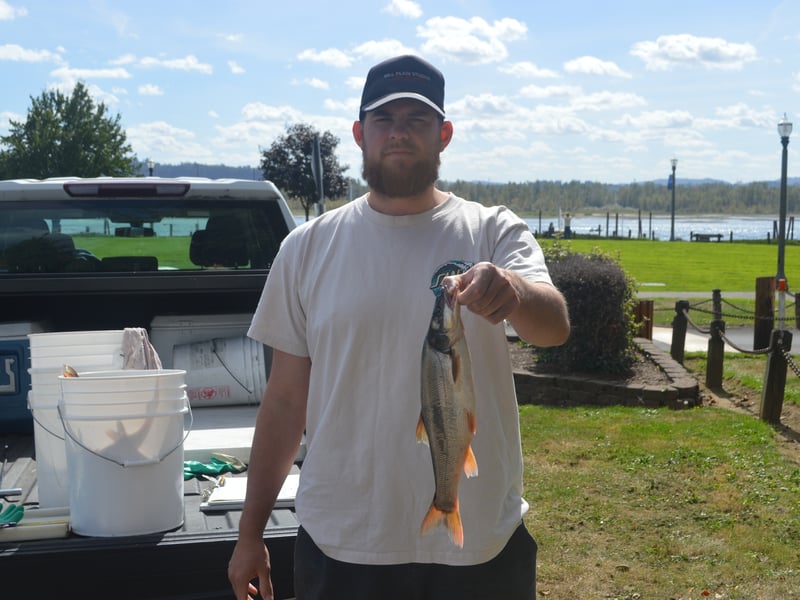
(CN) — In freshwater rivers and lakes in places like Oregon, the northern pikeminnow fish lurks beneath the surface.
Native to the Pacific Northwest and surrounding waterways, this stealthy fish is armed with a large mouth. It’s an opportunistic hunter, always ready to gulp up smaller fish.
As humans have developed the Columbia and Snake rivers with hydroelectric dams, the northern pikeminnow has taken advantage of these changes in the water flows. In the process, it’s become one of the largest predators to juvenile salmon and steelhead.
These environmental changes have put pikeminnows in an unusual category: Though not invasive, they still cause ecological disruption. And that in turn has prompted efforts to cull populations, in order to minimize impacts on these other more valuable species.
In late September, the Northern Pikeminnow Sport-Reward Program ended its 34th year on a high note, shutting down five days early. Anglers across the Pacific Northwest had exceeded expectations and hit the program’s $1.7 million cap, turning in captured pikeminnow in exchange for monetary rewards.
Established in 1980, the program encourages anglers to fish the Columbia and Snake rivers in search of northern pikeminnow. The Bonneville Power Administration backs the program to mitigate these impacts, funding the program’s entire $1.7 million annual budget.
The 2024 program opened on May 1 — but scientists, biologists and technicians began preparations ahead of time. Before the season begins, researchers in electroshock boats traverse the rivers, shocking the water and briefly numbing pikeminnow so that they can be tagged and tracked.
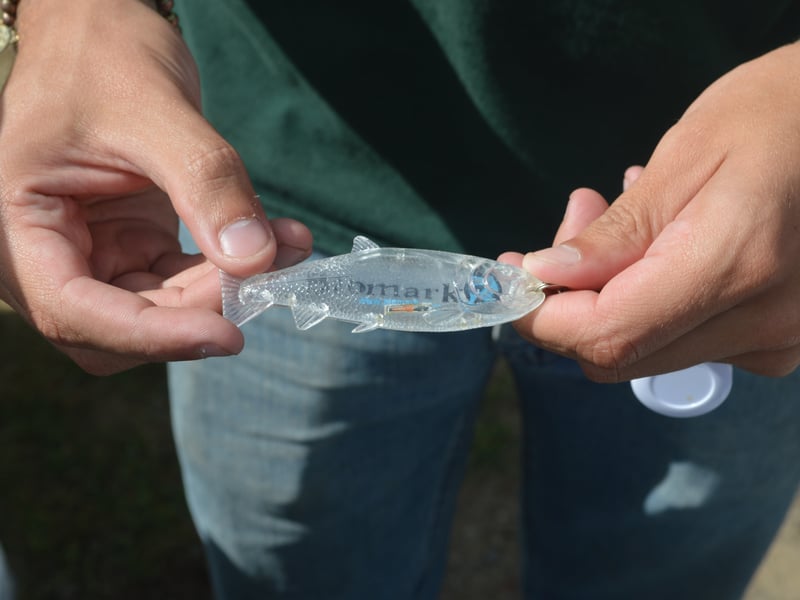
Once the season does kick off, technicians man 22 stations, designed to make it easy for pikeminnow anglers to deliver their catch and get back to fishing. Tagged pikeminnows can earn an angler up to $500 per fish. Those without a tag see payouts closer to $6 to $10.
At these stations, techs ask anglers about what kinds of fish they’ve caught. They also check the quality of their pikeminnow catch.
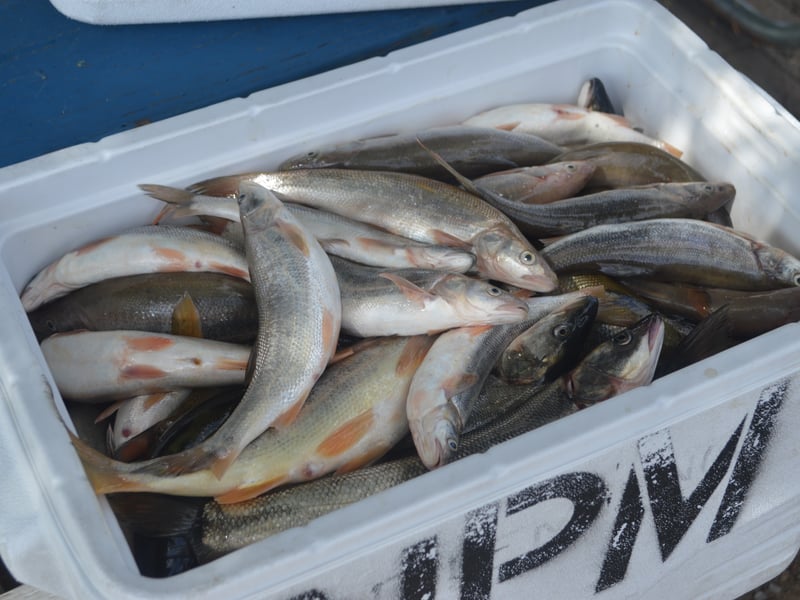
“We will reject fish that aren’t treated with respect, like if they’ve been sitting in the sun and are nasty,” Cooper Sargent, a tech at the Washougal, Washington station, said in an interview. He opened up a cooler, revealing freshly caught northern pikeminnow over ice. At the peak of the 2024 season, Sargent was scanning up to a thousand fish a day.
Only 10 to 20% of pikeminnow that are a minimum of nine inches can be caught each year to keep the Columbia and Snake rivers’ ecosystems balanced.
Anglers jump on the opportunity as soon as the season begins. Michael Vasilchuk, one of 2024’s Top Twenty Anglers, estimates he caught around 3,000 fish this year for the program.
Vasilchuk has been fishing for the northern pikeminnow program with his family since he was a kid. A trucker by trade, he earns enough through the program to do it full time in August and September.
Northern pikeminnow show crepuscular activity, meaning they’re often most active at dawn and dusk. Vasilchuk prefers to fish at night, working in 12-hour stints. “The money’s good, and I love fishing,” he said as he held one of his fish, a medium-sized pikeminnow with bright silver scales and nearly translucent orange fins. “I was born a fisherman, so why not do it and get paid?”
Not all anglers take the fishing as seriously as Vasilchuk — but many still come out of the season with good memories, a check in their mailbox and a feeling of accomplishment.
Wallace Cole, 78, has been a casual northern pikeminnow fisher for the last three years. He estimates he’s caught around 2,000.
“I just enjoy the bite,” Cole said as Sargent scanned the massive pikeminnow he’d caught just down the river — by far some of the biggest catch of the day. “If it was really easy, I think I wouldn’t do it.”
“There’s a real challenge,” Cole said of catching the fish. “Some of those guys out there are out-fishing me twenty to one, so it can be humbling. There’s times you come back with one fish, or zero.”
According to Cole, finding and catching the northern pikeminnow takes a combination of skill and experience.
That includes memorizing where the fish hide and finding the right bait. Cole caught 100 fish more than his average this year, a fact he credits to using sharp cheddar cheese.
Sargent scanned Cole’s impressive haul of pikeminnow for tags, took down his information and sent Cole on his way, sealing the fish in a foam cooler.
“A lot of people are retired,” he said of the anglers he sees. “They just like fishing, and this is a way to pay for the hobby.” But when it comes to the top angler, “he’ll fish until he can’t fish anymore, then sleep for thirty minutes, wake up and do it over again. When you’re catching 300 fish a day, you don’t have much downtime.”
So, who was this year’s top angler? It’s a secret. That person chose to remain anonymous, as those who chart the program’s annual Top Twenty Anglers list sometimes choose to do.
Regardless, they’re something of a pikeminnow prodigy. Eric Winther, who leads the Northern Pikeminnow Sport-Reward Program, calls them “the Michael Jordan of pikeminnow fishing.” This year, they caught 16,150 fish — the all-time highest number of northern pikeminnow catches ever recorded by the program. They earned a record payout of $163,260, likely one of the reasons this year’s season closed five days early.
According to Winther, the focus on larger pikeminnow is intentional. “Over time, you’re shrinking the average size of northern pikeminnow,” he said. “Smaller fish eat less smolts,” or juvenile salmon. Despite pikeminnow’s harms, he stressed he has no hard feelings towards the fish. “People want to portray pikeminnow as being bad,” he said, but “they’re not bad. They’re just doing what they do, and they’re really good at it.”
Whether an angler catches thousands of pikeminnow or just a few, they all have an impact.
Predation of juvenile salmon has dropped by up to 40%, according to the program’s website. And while northern pikeminnow aren’t very tasty, they do make good fertilizer. After biologists evaluate them, captured fish are sent to a facility in Ridgefield, Washington, for processing.
Aside from the positive environmental impacts, Winther’s favorite part of the program is the camaraderie among anglers. Sure, things can get competitive, and anglers don’t like to share their special fishing spots. But they still support each other, keeping in touch throughout each season with “river talk.”
Some anglers travel across the country to participate, but regulars like the Vasilchuk family are at the core of the program. Winther has had the privilege of watching kids go from fishing their first pikeminnow to hitting the Top Twenty list. Uniting them all is a love of fishing — and healthier rivers. “We’re part of a program that makes a difference,” Winther said. “You can’t argue that removing 169,000 predatory pikeminnow every year for 34 years makes no difference.”
Subscribe to our free newsletters
Our weekly newsletter Closing Arguments offers the latest about ongoing trials, major litigation and rulings in courthouses around the U.S. and the world, while the monthly Under the Lights dishes the legal dirt from Hollywood, sports, Big Tech and the arts.