
 Search Articles


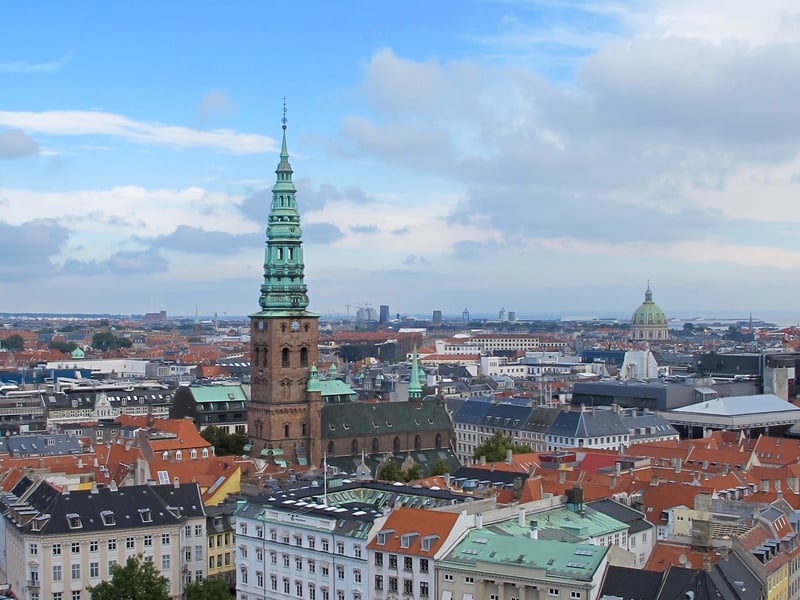
COPENHAGEN, Denmark (CN) — A common contender on lists of the world’s most expensive cities is the Danish capital of Copenhagen.
Likewise often floating to the top rankings for the world’s most livable cities, Copenhagen municipality has gone through a remarkable development in the three past decades. Since 1995, its population has grown by 40%; it now has around 660,000 residents, a number that increases to around 1.4 million including greater Copenhagen.
Immigration is one contributor to this growth, and Americans are among the largest groups searching for a life with a 37-hour work week, paid holidays and free healthcare in the Nordic capital. This is while an increasing number of native Danes have moved out of Copenhagen in the past five years.
Why? Because Copenhagen housing is getting expensive. Apartment prices have doubled in the past 10 years, according to numbers published in February. Buyers can expect to pay 56,637 Danish Kroner ($7,964) per square meter.
Birgit Daetz is the communications director and a housing economist at Boligsiden, a Danish housing market portal which released the numbers.
“The capital is a sought-after area, and in recent months we have seen an increasing demand for apartments in the country’s capital, which has resulted in more transactions in a relatively limited supply. This in turn contributes to pushing prices up, and with a doubling of the price level in just 10 years, price developments in Copenhagen have been accelerating,” Daetz said.
The organization has observed similar developments in terms of houses. There are fewer of them in the market, which increases prices among high demand in the capital.
“What happens in Copenhagen is similar to what we see in other major Western cities,” Ismir Mulalic, associate professor at Copenhagen Business School, told Courthouse News. “More people are searching into the big cities, where there are strong infrastructural investments. Just look at the Copenhagen metro as an example.”
Mulalic said a stable Danish economy and increasing earnings have contributed to higher housing prices. Some of Denmark’s wealthier citizens often lived in northern Zealand, the island where Copenhagen is located, but are now moving downtown.
With soaring prices, one particular vulnerable group gets left behind: first-time home buyers. If they fail to tap into the housing market and its continuing increase, it only becomes more difficult for them to make Copenhagen their home.
As a result, previous Copenhageners are searching for cheaper alternatives on the outskirts of greater Copenhagen, where some municipalities are starting to experience growing housing prices, too.
For many Danes, housing becomes the most significant and prioritized investment in their lives. Mortgages are a necessity if families want to own a property in Copenhagen, and they typically run for 30 years at a time — in contrast to parts of central Europe, where some run for 10 years, Mulalic said.
While changing international bank interests and global conflicts can affect inflation in Denmark, and therefore its housing market, national laws keep check on banks to impose stricter requirements when giving out loans — and rules demanding that buyers must live in the property they purchase — are set in place to hinder the catastrophic outcomes of the 2008 financial crises.
“Buying property in Copenhagen is like an investment. Every time you invest, there’s a risk associated with it,” Mulalic said. There’s no guarantee that you will get back what you spend on property in the capital.
Like in the past decade, however, buying an expensive Copenhagen apartment might still be worth it.
“I expect the housing prices to continue increasing at a modest rate,” Mulalic said.
 Follow @LasseSrensen13
Subscribe to our free newsletters
Our weekly newsletter Closing Arguments offers the latest about ongoing trials, major litigation and rulings in courthouses around the U.S. and the world, while the monthly Under the Lights dishes the legal dirt from Hollywood, sports, Big Tech and the arts.