
 Search Articles


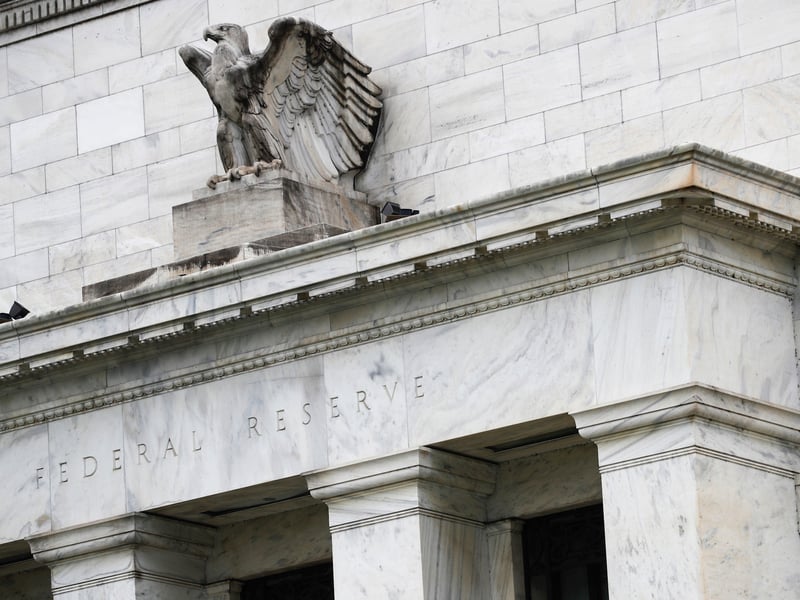
MANHATTAN (CN) — Equities kept tumbling and Treasury yields rose even higher this week, as the U.S. economy continues to defy all odds by growing at a strong pace.
Wall Street’s losses began Tuesday and steadily picked up throughout the week. By the closing bell on Friday, the Dow Jones Industrial Average lost 544 points for the week, while the S&P 500 dropped 103 points and the Nasdaq fell 424 points.
The yield on 10-year Treasury bonds, which is a good measure for how costly it is to borrow money, rose above 5% at one point on Friday, though they settled slightly lower by the closing bell. That is the highest the yield has been since 2007, just as the Great Recession was about to hit.
“As go bond prices so go equities,” James Meyer at Tower Bridge Advisors wrote in an investor’s note. “Until the bond market finds stability, stocks won’t do particular well. If inflation is headed for 2% and GDP longer-term grows close to 2%, there is little reason to expect 10-year Treasury yields to rise far above current levels."
So far, an economic contraction has failed to materialize, and several reports this week showed a resilient U.S. consumer that has seemingly ignored the ramp-up of interest rates and global unrest.
On Wednesday, the Federal Reserve’s Beige Book, which tracks myriad economic conditions, showed a slight drop in consumer spending, increases in delinquency rates, and increased sensitivity among consumers about prices.
What’s more, the report found fewer districts are reporting that the economy is continuing to grow, with four of the dozen districts reporting weaker growth. Most districts also showed a decline in leisure travel even if business travel has increased somewhat.
“Consumers are cutting back on discretionary spending as households have likely ended their post-pandemic spending splurge,” said Jeffrey Roach, chief economist at LPL Financial. “Given the cloudiness of the outlook, global investors will likely experience some choppy markets in the near term.”
Coupled with the rise in Treasuries and the ongoing conflict in the Middle East, analysts say the Fed is likely to keep interest rates steady at their meeting next month, even though Wall Street shouldn’t declare the central bank done with tightening.
Earlier in the week, retail data from the U.S. Census Bureau showed the American consumer is certainly not out, and maybe not even down. Retail sales picked up 0.7% last month, much greater than the 0.2% consensus forecast and the decline in sales some analysts had predicted. Core sales — which discount food, vehicles, and gasoline — increased by 0.6%.
“Pandemic pent-up demand has created strong retail therapy,” said Gina Bolvin, president of Bolvin Wealth Management Group. “And why not? With business still hoarding employees the way consumers hoarded toilet paper during the pandemic, unemployment remains low, inflation is moderating, their portfolios are up and so far earnings season looks good.”
The details of the report point to several key areas of strength. Auto dealers had their best outing in months, with auto sales up by 1.1%, though gas station sales failed to keep up with the increase in gas costs. Americans are eating and drinking out at a good clip, too, with food service and drinking establishments gaining 0.9% in sales.
Many now think the economic momentum from the summer may push out into this winter, bringing with it only a slight contraction of the economy. The strong retail sales also point to the possibility of strong gross domestic product growth during the third quarter, as well.
Fed Chair Jerome Powell on Thursday told investors that a slight contraction may be necessary to finally put an end to inflation, which has experts worrying another rate hike may come during the Fed’s December meeting.
Speaking to the Economic Club of New York, Powell warned the path ahead “is likely to be bumpy and take some time,” but noted that economy is on the right path. “Incoming data over recent months show ongoing progress toward both of our dual mandate goals: maximum employment and stable prices,” he said.
 Follow @NickRummell
Subscribe to our free newsletters
Our weekly newsletter Closing Arguments offers the latest about ongoing trials, major litigation and rulings in courthouses around the U.S. and the world, while the monthly Under the Lights dishes the legal dirt from Hollywood, sports, Big Tech and the arts.