
 Search Articles


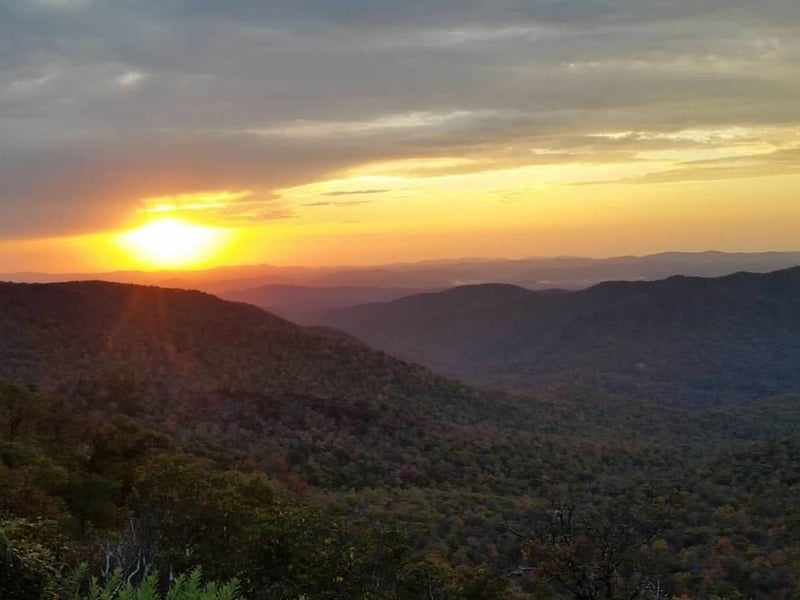
(CN) — A coalition of conservation groups is suing the Trump administration over plans to increase logging in North Carolina’s national forests.
The conservationists accuse the U.S. Forest Service of mismanaging the Nantahala and Pisgah national forests by expanding approved logging in the region by thousands of acres. Federal officials say logging will create more young forest habitat for wildlife, but environmentalists say it will harm backcountry areas, water quality and rare species.
Will Harlan, southeast director at the Center for Biological Diversity, one of the plaintiffs in the suit, said in a statement the fierce winds of Hurricane Helene already thinned out the forest.
“This disastrous plan broke the law and the hearts of millions of forest visitors,” Harlan said. “The most popular and biodiverse national forest in the country should not be targeted for massive increases in clearcuts, especially after Helene.”
The conflict centers on a forest management plan approved by the U.S. Forest Service in 2023. The plan, which outlines the department’s conservation strategy in the national forests for the next 15 to 20 years, calls for about 81,000 acres of the Nantahala-Pisgah to be thinned out through timber production and prescribed burns.
It represents a 15% increase in timber production areas compared to the 1994 management plan.
Michelle Aldridge, a planning officer for the U.S. Forest Service, said in a 2023 press release that logging practices in the early 20th century left trees in the Nantahala-Pisgah mostly uniform in their age and size. Adding more young forest areas would make the region more resilient to insects, disease and climate change, while creating more habitat for rarer species, including the golden-winged warbler.
In a complaint filed Friday in the Western District of North Carolina, conservationists argue the federal agency used “procedural shortcuts” and bad math to justify increased logging.
Under the 1994 plan, the agency was required to survey timber production areas for old-growth copses and add them to a protected network that would be safe from logging. But that requirement was cut from the new plan, the conservationists say.
They claim a statistical model used to determine the characteristics of the region before European settlement vastly overestimates the percentage of young forest areas present at the time. The conservationists note that the new plan does not address the problem of tree species diversity, which remains hampered from historic logging, and fails to account for Hurricane Helene’s devastating impact on the region last year.
“By the agency’s own estimates, the storm’s fierce winds and flooding damaged or destroyed vegetation on approximately 117,000 acres across the forests,” according to the lawsuit. “By felling so many trees, the storm created tens of thousands of acres of early successional habitat on the forests, obviating the need to create high levels of that same habitat via commercial logging.”
The conservationists say they asked the agency to reconsider its logging levels in light of the storm, but it never responded.
“Our national forests are reeling from massive storm destruction, yet they’re still subject to a management plan that includes unrealistic timber targets,” said David Reid, national forests issue chair for the Sierra Club’s North Carolina chapter, another plaintiff in the lawsuit.
The third plaintiff in the suit is MountainTrue, a nonprofit based in Asheville, North Carolina.
 Follow @SteveGarrisonPC
Subscribe to our free newsletters
Our weekly newsletter Closing Arguments offers the latest about ongoing trials, major litigation and rulings in courthouses around the U.S. and the world, while the monthly Under the Lights dishes the legal dirt from Hollywood, sports, Big Tech and the arts.