
 Search Articles


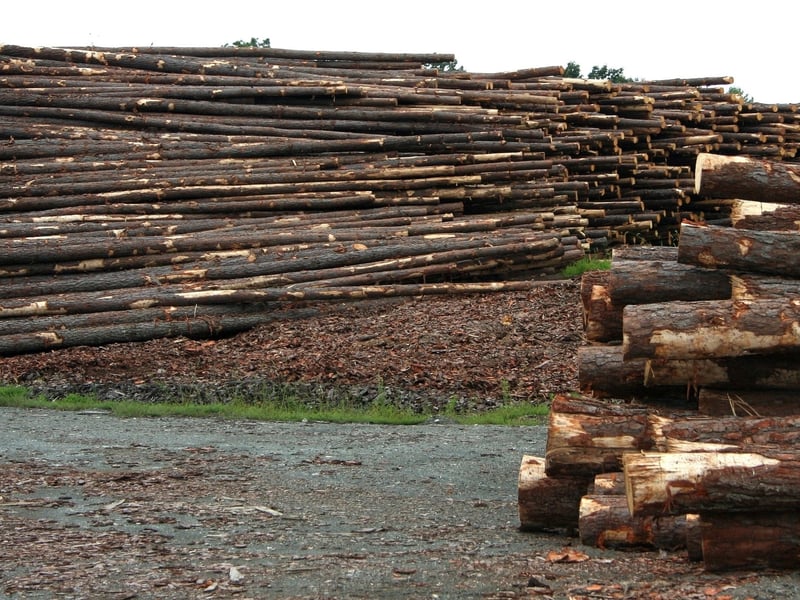
(CN) — The approval of a massive logging operation in west central Montana triggered a conservation lawsuit filed Tuesday against the Bureau of Land Management.
The Clark Fork Face Project would permit logging across nearly 17,000 acres of land, which the Center for Biological Diversity and other organizations claim would cause substantial harm to the state’s Garnet Mountain Range by blocking migration corridors essential to native wildlife.
The campaign, titled the Clark Fork Face Forest Health and Fuels Reduction Project, permits logging, burning, thinning and other fuels management treatments in the area, located between Bonner and Drummond, Montana.
Excluded from the National Forest System, the scenic and heavily forested Garnet Mountains remain unprotected. The Land Bureau owns much of the range. With 70% of the project’s designated area under its ownership, the government body’s Missoula Field Office approved the project on April 28.
What was a hotspot for heavy logging and mining starting in the late 1800’s has since been reclaimed by wildlife, aside from the well-kept Garnet Ghost Town, a popular historic site for tourists. The mountain range boasts four hot springs, a native cutthroat trout fishery, moose herds and more signs of a thriving ecosystem.
Yet the range is still considered a degraded and compromised area, in the process of recovering from past decades of intensive logging and mining which heavily strained the ecosystem. Conservation groups such as the Center for Biological Diversity claim the newly approved project would slow the land’s recovery and likely require the development of land to create new roads for hauling timber.
“As is clear from satellite imagery and confirmed by site visits, a significant but ultimately unknown number of miles of roads in the project area that will be used for hauling timber are presently impassable,” the group says in its complaint, explaining that many of the range’s historic roads have been overtaken by vegetation or covered with blockages such as fallen trees or boulders in recent decades. The project’s goals require the development of these roads for vehicles to haul out an estimated four million board feet of timber annually for up to 15 years.
The project will also sever connectivity corridors for native wildlife like grizzly bears, Canada lynx, wolverines, bull trout and other wildlife that migrate between the Northern Continental Divide, Greater Yellowstone and Bitterroot ecosystems. Conservationists say the plans even contradict the Canada Lynx Conservation Strategy and Assessment by permitting logging in protected lynx habitat areas.
“The BLM characterized the impacts of logging these mature forests as ‘beneficial,’ ignoring years of science and agency guidance,” the complaint says. “And in doing so, failed to acknowledge or otherwise address the negative impacts related to carbon emissions caused by roadwork, burning, cutting, hauling, and processing commercial timber, including thousands of acres of mature trees.”
Alongside the Center for Biological Diversity, the nonprofits Alliance for the Wild Rockies, Council on Wildlife and Fish, Native Ecosystems Council and Yellowstone to Uintas Connection joined the lawsuit in the U.S. District Court of Montana. The groups claim the approval of the Clark Fork Face Project violates both the National Environmental Policy Act and the Federal Land Policy and Management Act by leaving threatened and endangered species at greater risk of extinction and refusing to consider other threats posed by the project.
Subscribe to our free newsletters
Our weekly newsletter Closing Arguments offers the latest about ongoing trials, major litigation and rulings in courthouses around the U.S. and the world, while the monthly Under the Lights dishes the legal dirt from Hollywood, sports, Big Tech and the arts.