
 Search Articles


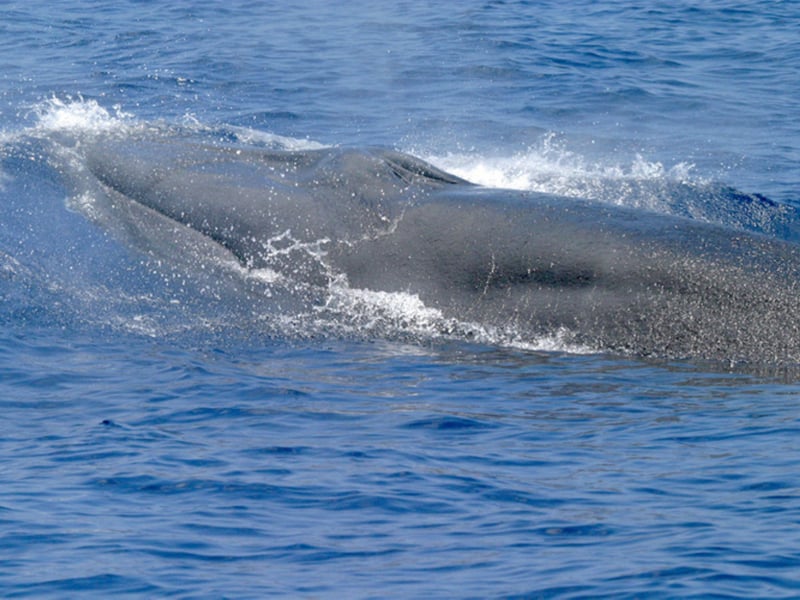
(CN) — Multiple conservation groups sent notice Thursday of plans to sue the Trump administration for stripping away expanded protections of the critically endangered Rice’s whale from deadly ship and boat collisions.
In February, the Bureau of Ocean Energy Management announced rescission of its “Notice to Lessees and Operators,” that suggested measures to increase protections for the Rice’s whale.
With a best population estimate of only 51 whales remaining, the species is one of the most endangered marine mammals on the planet.
The agency issued its recommendations after new scientific evidence showed the whales are also regularly found in the western and central Gulf of Mexico, not just the eastern Gulf as was previously believed.
In 2020, the National Marine Fisheries Service determined that existing and planned activities related to the exploration and development of oil and gas on the Gulf of Mexico outer continental shelf will likely jeopardize the continued existence of the Rice’s whale. It found stressors from vessel strikes, vessel noise, marine debris, oil spills and dispersants, and sound from seismic surveys cause “wide-ranging, combined multiple effects to the small and likely declining population.”
The revoked protections included a recommendation that oil and gas vessels travel at no more than 10 nautical miles per hour through Rice’s whale habitat in the western and central Gulf of Mexico. They were also advised to avoid the area at night and other times of low visibility. Similar measures are already currently required of oil and gas vessels traveling through the whale’s habitat in the eastern Gulf.
President Donald Trump’s Inauguration Day executive order titled “Unleashing American Energy,” which directed the removal of regulations imposed on the development and use of the country’s energy production and natural resources, led to the removal of the protections. The order instructed federal agencies to rescind actions that “impose an undue burden on the identification, development, or use of domestic energy resources — with particular attention to oil, natural gas, coal, hydropower, biofuels, critical mineral, and nuclear energy resources.”
In their letter, the conservation groups said the Bureau of Ocean Energy Management’s notice provided some of the only specific means of reducing the risk of vessel strikes for Rice’s whales from oil and gas activity in its habitat. They added its revocation now increases the likelihood that Rice’s whales will be injured or killed and puts the critically endangered whale at greater risk of extinction — meaning the agency is violating its obligations under the Endangered Species Act.
Under the act, the agency is required to carry out programs for the conservation of endangered species, the groups wrote.
They said the act also prohibits any person or federal agency from causing an endangered species harm through “an intentional or negligent act" that creates the likelihood of injury to wildlife “by annoying it to such an extent as to significantly disrupt normal behavioral patterns, including breeding, feeding, or sheltering.”
Courts have repeatedly found federal agencies liable for violating the act where agency-authorized activities resulted in the killing or harming of listed endangered species, the groups wrote.
The letter demands that the Bureau of Ocean Energy Management immediately reissue the notice within 60 days or face a federal lawsuit brought by the conservationists.
In a statement, a bureau spokesperson said the agency “reaffirms its unwavering commitment to manage development of U.S. outer continental shelf energy, mineral, and geological resources in an environmentally and economically responsible way, while prioritizing fiscal responsibility for the American people” but declined to comment on pending litigation.
“Our organizations have been involved in efforts to conserve the Rice’s whale for many years and are gravely concerned about the role that federally authorized oil and gas activity in the Gulf of Mexico is playing in the species’ demise,” Kristen Monsell, a senior attorney for the Center for Biological Diversity, wrote in the letter.
According to the National Marine Fisheries Service, the Rice’s whale is one of 10 “species in the spotlight" and extinction is almost certain in the immediate future absent action to reduce threats.
It has determined that the species can withstand no more than one human-caused death every 33 years if the population is to recover.
“Without immediate action to significantly reduce the risk of vessel strikes, noise pollution, oil spills, and other harms from offshore oil and gas activity, the Rice’s whale faces a serious prospect of extinction,” Monsell wrote.
 Follow @Megwiththenews
Subscribe to our free newsletters
Our weekly newsletter Closing Arguments offers the latest about ongoing trials, major litigation and rulings in courthouses around the U.S. and the world, while the monthly Under the Lights dishes the legal dirt from Hollywood, sports, Big Tech and the arts.