
 Search Articles


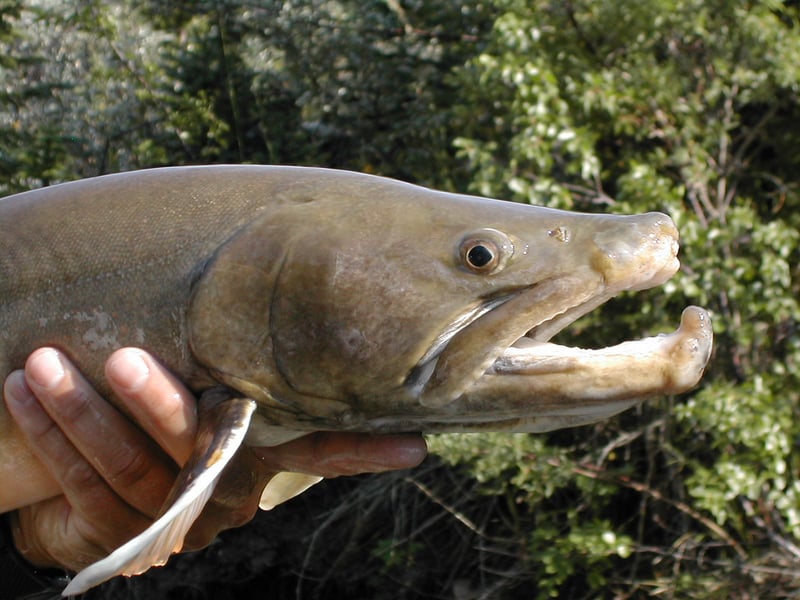
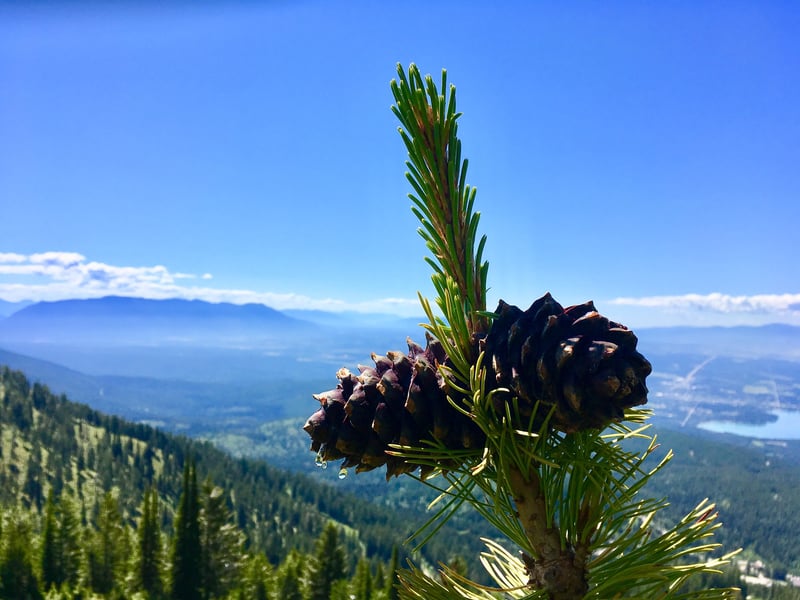
(CN) — Multiple conservation groups asked a federal judge on Wednesday to stop a planned forest project in Montana’s Bitterroot National Forest, citing potential danger to the region’s threatened bull trout and whitebark pine tree populations.
In the court Wednesday, the groups claimed that the planned Mud Creek Vegetation Management Project violates multiple federal conservation acts by failing to provide exact details of where logging and burning will take place as well as what effects it will have on the environment.
The project, which will include logging, thinning, control burns and road construction on 48,000 acres of federal forest, is aimed at mitigating wildfire risk.
“If they’re going to be, for example, opening these undetermined roads — if they’re removing vegetation — what does that look like? And what are the carbon impacts of that?” Salt Lake City-based attorney Oliver Wood, who represented the groups, asked the court.
The groups were also concerned that the use of forest roadways during project activities could threaten local bull trout by stirring up sediment in local waterways, clogging the fishes’ gills, smothering their eggs and disrupting their local prey.
“One of the primary threats to bull trout is sediment, and the main source of sediment are forest roads,” Wood said.
The groups asked U.S. Magistrate Judge Kathleen L. DeSoto for summary judgment halting the project until federal agencies can take a “hard look” at the impacts of the project, as required by the National Environmental Policy Act.
Meanwhile, the U.S. Forest Service, as well as the U.S. Fish and Wildlife Service, also asked the judge for summary judgment, insisting that they have already done everything they need to comply with federal law.
“Combined, all of these activities will improve the effectiveness of fire suppression actions, promote firefighter and public safety during the course of any wildfire, and reduce the risk of fire negatively impacting nearby communities,” Justice Department attorney Shaun Pettigrew told the court.
The agencies argued that their opponents’ claims under federal failed because the agencies already investigated the matter and reasonably concluded that the project would not place the bull trout and whitebark pine in jeopardy.
The groups contested this point, arguing that the agencies relied on flawed biological assessments and other reports to reach their conclusions.
The agencies also noted that Ravalli County, which borders the project area, is a staunch supporter of the project and was recently ranked as “the most at-risk county in the state” for wildfire impacts, reporting nine ignitions that have required responses by firefighters during this fire season alone.
The county itself also appeared in the courtroom and urged the judge to let the project go forward, calling it a “good project” that “needs to happen.”
The judge did not indicate when she would issue a ruling.
Attorneys for the conservation groups did not immediately respond to a request for comment. A spokesperson for the Justice Department declined to comment.
The conservation groups, led by Alliance for the Wild Rockies, first sued the U.S. Forest Service in early 2024 in the District of Montana for violations under the Endangered Species Act, National Forest Management Act, National Environmental Policy Act and Administrative Procedure Act.
The alliance — joined by the Native Ecosystems Council, the Yellowstone to Uintas Connection, Friends of the Bitterroot and WildEarth Guardians — claim that the agencies’ failure to list concrete plans and details means they are failing to take a “hard look” at how the project will affect threatened species and the climate.
Specifically, the groups said that federal agencies have failed to disclose or analyze the location of the project’s temporary roads and its 100-foot buffer zones between roads and streams meant to protect the bull trout, making their analyses deficient in the eyes of the law.
Although the Forest Service ultimately concluded in 2023 that the project may affect bull trout, it ultimately approved the project, saying that “the extent of these effects is limited.”
Similarly, the Forest Service found that whitebark pine is “scattered throughout the project area” and proposed to suspend the prohibition on “removing, cutting, digging up, damaging, or destroying whitebark pine” to allow treatments for the project, such as burning and logging.
Both whitebark pine and bull trout are listed as threatened species under the Endangered Species Act.
Subscribe to our free newsletters
Our weekly newsletter Closing Arguments offers the latest about ongoing trials, major litigation and rulings in courthouses around the U.S. and the world, while the monthly Under the Lights dishes the legal dirt from Hollywood, sports, Big Tech and the arts.