
 Search Articles


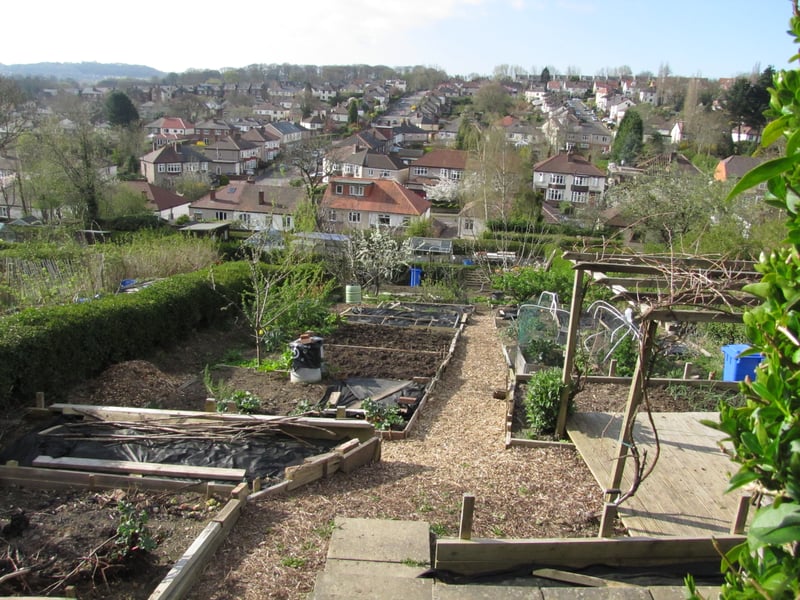
MANCHESTER, England (CN) — The number of community gardens in the U.K. has fallen to 330,000 from more than 1 million after World War II, but demand has never been higher.
In the U.K., community gardens are commonly referred to as allotments, small parcels of land rented to individuals for growing food.
The National Allotment Society says more than 174,000 people are on waiting lists, with waits stretching for years in some areas. A recent survey by the society found women and younger people are driving the surge: nearly two-thirds of respondents were women, and while the largest group was aged 59 to 69, about one in 10 were in their late 30s to mid-40s.
The survey also found long delays were commonplace. Nearly half said they waited more than six months for a plot, and one in five waited more than two years. Once secured, most gardens are kept for years, with more than 40% held for over a decade.
The society, which has 125,000 members, says the cost-of-living pressures, rising food prices and the Covid-19 pandemic have all played a part.
“People recognized the value of outdoor space, fresh air and the benefits of gardening,” a spokesperson said. With many modern homes having little or no garden, community gardens have become a vital outlet.
The group says community gardens promote better diets, mental health and social ties. They provide exercise, stress relief, therapeutic contact with nature and help reduce loneliness.
“Eighty-nine percent of holders say their plot helps them eat more fresh produce,” the spokesperson said. “At a time when public health challenges, rising living costs and social isolation are major concerns,” the society believes the role of community gardens are more important than ever.
Campaigners push for new sites
Deborah Burn is the CEO of Green Allotments, a new charity that creates new community gardens for local communities.
She said that insecure land tenure is one reason plots continue to disappear. “Time and again we saw the hard work of allotment communities lost to insecure tenure,” said Burn. “Generations of toil — and soil — can be lost in an instant. That’s what inspired us.”
Local councils are responsible for providing community gardens. However, Burn explained that the bottleneck in creating more plots comes down to one word in the law: ‘consider.’
“A local council only has to consider if there is enough demand for it to provide a new allotment site,” she explained, which creates a low barrier for a council to block new sites for communities.
Local councils face pressure to free up land for housing, and campaigners argue that local authorities often overlook the long-term benefits of community gardens in favor of the commercial value of building homes on these spaces.
In August 2025, the government permitted councils to sell community gardens to cover day-to-day expenses.
Burn outlined the charity’s activities. “We’re buying land to create new allotment sites, and we have just purchased land in Morpeth, a thriving market town in Northumberland.”
This will be its first community garden, and as a charity-owned site rather than a council-owned one, it will be protected from future development and run by the gardeners themselves. Green Allotments is also buying more land and working with landowners to secure donations.
Other hurdles include safe access and contaminated soil. Campaigners say more support is needed from both local councils and central government. Burn said a central government fund to decontaminate land would be a step in the right direction, opening space for food production in urban areas.
The National Allotment Society agrees that stronger protections are needed at the national level. “Community gardens “should be integrated into new housing and urban planning,” its spokesperson said. “Temporary use of vacant or underused land could also help meet immediate needs.”
Younger gardeners pick up the spade
Emma, a new plot holder in Warwickshire, is one of the growing number of young women taking to gardening.
In the zipcode lottery, she was fortunate to find a plot immediately. “I got my plot the day after I asked about it,” she said. “There were eight plots available.”
She has planted carrots, beetroot, tomatoes and radishes alongside fruit trees. She follows young gardeners on social media, gathering up tips and ideas for her own plot, recognizing the health benefits it promises.
“Knowing I have my own plot and that I’m growing my own fruit and vegetables makes me happy,” she said.
“I always look forward to going there and I think growing my own food will make me eat better and healthier and also try food that I maybe wouldn’t have eaten before,” Emma added.
She’s already met fellow gardeners. “Three older men always stop and chat. It’s nice to feel part of a community.”
For charities and campaigners, the challenge is convincing councils and government ministers that community gardens are not just green space but essential infrastructure for health, food security and community life.
Courthouse News reporter James Francis Whitehead is based in England.
 Follow @jayfranklinlive
Subscribe to our free newsletters
Our weekly newsletter Closing Arguments offers the latest about ongoing trials, major litigation and rulings in courthouses around the U.S. and the world, while the monthly Under the Lights dishes the legal dirt from Hollywood, sports, Big Tech and the arts.