
 Search Articles


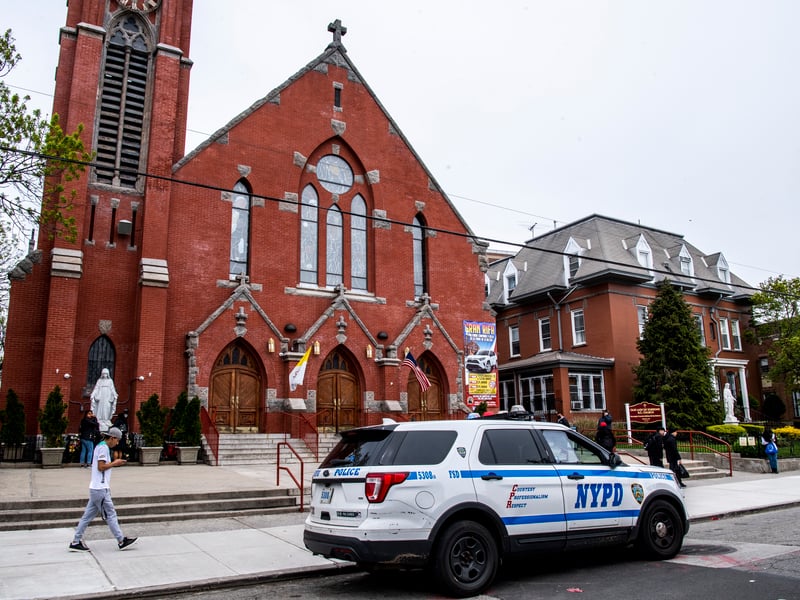
BROOKLYN (CN) — The NYPD arbitrarily labels thousands of New Yorkers as gang members in a database in an unconstitutional practice that harms Black and Latino people almost exclusively, three plaintiffs said in a federal class action seeking to stop the nation’s largest police force from using its controversial Criminal Group Database.
The three plaintiffs filing suit are all Black men born and raised in New York City. The first was added to the NYPD database shortly after he turned 21 years old; the other two landed on the list when they were still teenagers.
None of the three has ever been a member of any group with a criminal purpose — yet their place on the NYPD’s gang list has meant they’ve been stopped frequently, even monthly, for low-level infractions like jaywalking and littering and have been interrogated about unrelated people and events in their communities.
“People on the database live in constant fear of police harassment. NYPD targeting has profoundly injured their interpersonal and intimate relationships, causing them to distance themselves from friends and family, to restrict their online speech, and even to stop bringing their own children to the playgrounds in and around their homes out of fear they will be spied on, harassed, arrested, or worse,” the plaintiffs said in a 107-page complaint filed Wednesday evening in the Eastern District of New York.
Less than 1% of the 13,200 listed in the database as “active” members of a criminal group are white — 99% are Black and/or Hispanic, mostly young men and boys — and the NYPD has listed children as young as 11 years old, according to the lawsuit.
The plaintiffs say the racial disparities are intentional and align with the NYPD’s history of policies targeting young Black and Latino men and boys.
They point to past practices like the bygone “stop and frisk” policy, saying the department uses its gang database as another tactic to achieve the same discriminatory results — furthered by the fact that there’s no consistent, public definition of what constitutes a “criminal group” and the NYPD doesn’t require that someone be charged or even suspected of committing a crime before their name goes in the database.
Training materials instead instruct officers to designate people as members of “gangs” or “crews” based on “Mexican tattoos,” “cultural touchstones such as common gestures used by Black athletes” or simply attending the Puerto Rican Day parade.
The NAACP Legal Defense Fund, Legal Aid Society, Bronx Defenders, LatinoJustice PRLDEF and law firm Ballard Spahr represent the plaintiffs in the putative class action citing First, Fourth and 14th Amendment violations.
“We believe in a New York where everyone, including Black and Latino residents, is able to leave their homes, visit their friends, and engage in everyday activities without fear of police harassment and abuse. The only way to make that vision a reality is to end the gang database,” Kevin Jason, deputy director of strategic initiatives at the Legal Defense Fund, said in a statement.
In a statement Thursday, an NYPD spokesperson defended the database as a key tool in reducing gun violence in the city by tracking criminal group names, membership, geographic data, relationships and rivalries.
“One of the many tragedies of gang-related shootings is that one shooting leads to a retaliatory shooting, which in turn leads to another shooting. The key to preventing that cycle of violence is having accurate, immediate intelligence regarding gang membership, location, and rivalries, realizing when gang violence is about to spiral, and intervening quickly to prevent it,” the statement said. “If we know from the database that a shooting victim is a gang member, the identities of rival gang members, and where those gangs are based, we can immediately deploy officers in a way that will help prevent retaliatory shootings.”
The department also said it has protections in place to ensure information from the database is not misused; it doesn’t appear in a person’s criminal history and is not shared with employers, schools, landlords or civil immigration authorities.
According to the department, the fact that someone is included in the database is not grounds for a stop or an arrest.
Earlier this month, NYPD Commissioner Jessica Tisch blasted members of the New York City Council for considering legislation to end the database after it contributed to the arrest of 16 gang members.
U.S. District Judge Brian Cogan, a George W. Bush appointee, will oversee the case.
 Follow @NinaPullano
Subscribe to our free newsletters
Our weekly newsletter Closing Arguments offers the latest about ongoing trials, major litigation and rulings in courthouses around the U.S. and the world, while the monthly Under the Lights dishes the legal dirt from Hollywood, sports, Big Tech and the arts.