
 Search Articles


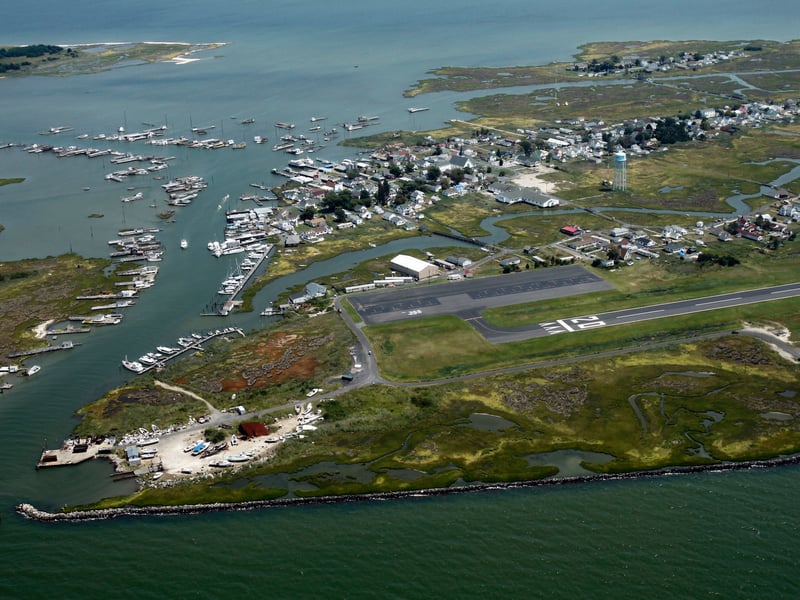
WASHINGTON (CN) — America’s largest estuary, the Chesapeake Bay, moved closer to becoming a national park Tuesday after legislation passed through a U.S. Senate committee.
The Chesapeake National Recreation Area Act was passed unanimously by the Senate Committee on Energy and Natural Resources. Chesapeake Bay enthusiasts and conservation advocates have hoped for this milestone since the 1980s. The bay’s watershed includes seven states, from New York to West Virginia and Washington D.C..
The act aims to designate a collection of new and existing parks and protected lands along the Chesapeake Bay and its tidal waters in Maryland and Virginia as part of the National Park System. The act would not impact water or fishing rights, supersede state authority or impose additional recreational or business activity regulations.
The park system will be permitted to acquire or partner with landmarks such as Burtis House, Whitehall, Thomas Point Shoal Lighthouse, and the North Beach of Fort Monroe by voluntary sale or donation to serve as the first sites within the area. The bill authorizes the park service to acquire additional lands or property through voluntary donation, purchase from a willing seller, exchange or transfer from another agency.
“The Chesapeake Bay is as spectacular as Yellowstone or Yosemite, as great as the Great Smokies and as grand as the Grand Tetons,” Chesapeake Conservancy President & CEO Joel Dunn said in a statement. “Establishing the Chesapeake National Recreation Area expands resources for environmental protection and makes it clear that the United States cherishes the Chesapeake, the birthplace of American identity.”
Maryland Senator Chris Van Hollen, a Democrat, introduced the Senate version in July 2023 after exhaustively hearing from stakeholders, conservation organizations and the public. Virginia Democrats Tim Kaine and Mark Warner cosponsored the Senate bill. Maryland Democratic Representative John Sarbanes introduced the House version, which enjoys support from 18 cosponsors, including four Republicans.
Chesapeake Bay Foundation federal policy coordinator Annabelle Harvey said in a phone interview that both sides of the political spectrum support the effort.
“The Chesapeake Bay is a national treasure worthy of national recognition,” Harvey said. “Its natural wonders, unique maritime culture and thousands of years of fascinating history deserve the additional resources, attention, and access a national recreation area designation would bring.”
A National Park office is already working to improve access to the bay, but the National Park Service does not have a dedicated Chesapeake Bay unit. The act would enable the park service to partner with private companies, and state and local governments to increase public access.
“The Chesapeake National Recreation Area will better connect green spaces and waterways, improve access and help build a more sustainable future for those that live, work and adventure in the Bay,” National Parks Conservation Association President and CEO Theresa Pierno said in a press release.
According to the bill’s crafters, partner parks, such as state parks and national wildlife refuges, would voluntarily opt-in to the act and benefit from additional resources and branding provided by the National Park Service. That branding could lead to increased tourism.
The National Park Service reported 325.5 million recreation visits nationwide in 2023. Those visitors spent a record $55.6 billion in communities near national parks.
The Chesapeake Bay is home to more than 18 million people and 3,600 species of plants and animals. It also produces more than 500 million pounds of seafood harvest each year.
From serving as a hub for Indigenous people for thousands of years to the first Virginia and Maryland colonies, the bay has played a critical role in America’s history. Advocates warn that the health of the Chesapeake Bay has steeply declined due to pollution and overfishing.
The 1983 Chesapeake Bay Agreement created the Chesapeake Executive Council, consisting of the signatory states and the Environmental Protection Agency, to address pollution and species decline. In 1986, the Annapolis Capital Gazette published an editorial titled “Chesapeake Bay National Park is a good idea.” The piece commented on an initiative by County Executive Jim Lighthizer to explore the possibility of a Chesapeake Bay National Park.
In 1993, the park service agreed to support the EPA Chesapeake Bay Program by providing public access and conserving and interpreting the Bay’s resources. Congress passed the Chesapeake Bay Initiative Act in 1998 to establish the Chesapeake Bay Gateways and Watertrails Network and the Chesapeake Bay Gateways Grants Assistance Program. The legislation, sponsored by Representative Sarbanes’s father, Senator Paul Sarbanes, empowers the park service to assist local communities, nonprofits, and other organizations at gateway sites throughout the Chesapeake.
President Barack Obama issued Executive Order 13508 in 2009, outlining an enhanced federal role and agency cooperation on the Chesapeake Bay and an enhanced strategy to reduce pollution, improve water quality, conserve landscapes and ecosystems and expand public access.
The legislation’s House counterpart has yet to be heard by a committee. The Senate version will now await further debate, amendment and a vote.
Subscribe to our free newsletters
Our weekly newsletter Closing Arguments offers the latest about ongoing trials, major litigation and rulings in courthouses around the U.S. and the world, while the monthly Under the Lights dishes the legal dirt from Hollywood, sports, Big Tech and the arts.