
 Search Articles


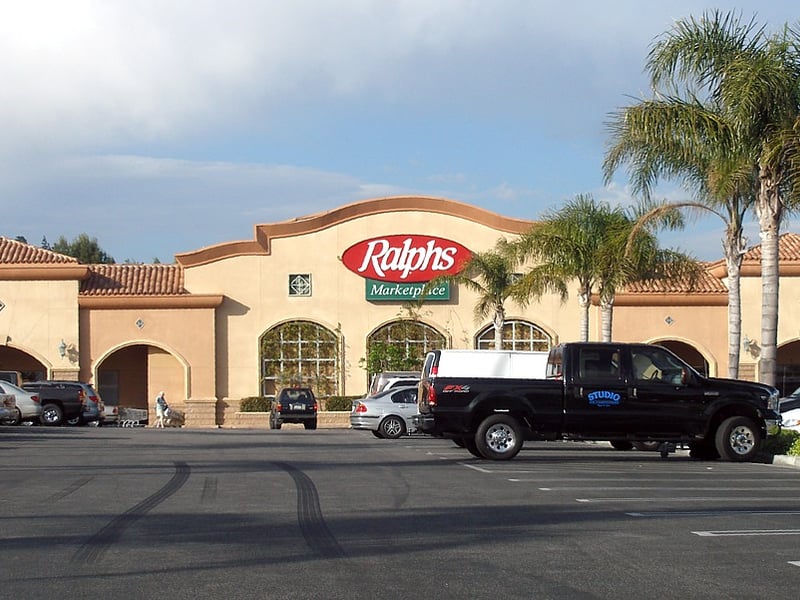
SACRAMENTO, Calif. (CN) — A California bill that would regulate the use of self-checkout machines at grocery stores moved one step closer Wednesday to the bagged-item area.
The legislation — Senate Bill 442, written by Los Angeles Democratic state Senator Lola Smallwood-Cuevas — would prohibit grocery stores and retail drug businesses from having self-checkout, unless at least one manual checkout station is staffed. Additionally, self-checkout customers would have a 15-item limit along with signs posted stating that restriction. Customers also couldn’t buy items that require identification at self-checkout.
The bill passed unanimously out of the Assembly Labor and Employment Committee and now advances to Assembly Appropriations. If it passes appropriations, its next step would be the Assembly floor.
“We tried to look at solutions for retail theft,” Smallwood-Cuevas said, referencing a similar bill from last year that failed to reach the governor. “And we also heard clearly the concerns of the opposition.”
The previous bill included much more stringent requirements, like requiring one employee for every two self-checkout machines.
Groups like the California Grocers Association, which opposed the original bill last year, again voiced their opposition on Wednesday.
Daniel Conway, with the association, argued the bill did nothing to improve a customer’s shopping experience. He questioned the bill’s purpose.
“By increasing labor costs, you’re going to increase grocery costs,” he added.
Ashley Hoffman, with the California Chamber of Commerce, said if lawmakers wanted new regulations, they should make a statewide standard. She feared local governments would create their own employee-to-self-checkout ratio, which could make different rules for stores a mile apart in some areas.
Nancy Mendoza, with the United Food and Commercial Workers International Union, said her daughter once had to forego playing soccer because she didn’t have enough money due to self-checkout machines at her employer’s business that led to shorter work hours.
“We had to cut corners in order to pay our bills, to make ends meet,” Mendoza said. “It’s handing our jobs over to machines.”
That resonated with many committee members, like Assemblymember Liz Ortega, a San Leandro Democrat and committee chair.
“Workers have to buy groceries, too,” she added.
Ortega’s committee also passed two bills related to artificial intelligence. They now advance to the Assembly Privacy and Consume Protection Committee.
Senate Bill 238, also by Smallwood-Cuevas, would require employers to notify the state of surveillance tools it uses, providing details about its capabilities. The state would publish that notice online.
According to the senator, seven out of 10 American workers face monitoring at the workplace. It’s no longer merely cameras, but sensor-equipped badges that can track someone.
“At its core, this bill is about fairness and dignity,” she added.
Opposing the bill, Hoffman expressed concern over a business having to disclose what AI model it used. Hoffman also shared concerns of another opponent about whether such disclosures would enable bad actors to hack their systems.
Smallwood-Cuevas said her bill required disclosure of a general description and nothing that would impact security.
The other AI-related legislation — Senate Bill 7, written by Pleasanton Democratic state Senator Jerry McNerney — requires businesses to give written notice if automated decision systems are used in the workplace.
It also would forbid employers from using such systems as a primary reason for disciplining or firing an employee.
“Who wants to have algorithms deciding about your future?” McNerney asked.
Ivan Fernández, with the California Labor Federation, argued some companies have a system to track an employee’s non-working minutes during the day. A termination could occur if someone is 10 minutes late. Merely being flagged by a system as a risk can impact an employee.
Opponents expressed concern over the number of notifications the bill would require, as well as potentially needing a system as a primary reason for discipline.
“There’s been a robust discussion on this issue,” McNerney said.
Subscribe to our free newsletters
Our weekly newsletter Closing Arguments offers the latest about ongoing trials, major litigation and rulings in courthouses around the U.S. and the world, while the monthly Under the Lights dishes the legal dirt from Hollywood, sports, Big Tech and the arts.