
 Search Articles


DALY CITY, Calif. (CN) — Edward Wright couldn’t afford to live near his college and commuted two hours each day to reach his classes.
Now a Bay Area Rapid Transit Board of Directors member, Wright stood Friday at the Daly City station where he once disembarked. He praised a bill by state Senator Scott Wiener that he said will help bring more homes to the state, near public transportation, without the red tape.
“I support this bill because this bill supports BART,” Wright said.
Several supporters of Senate Bill 79, written by the San Francisco Democratic senator, joined Wright at the Daly City BART Station. Wiener said the state over the years has made poor policy decisions about housing that he wants to change. The cost of living is pushing some Californians out of state.
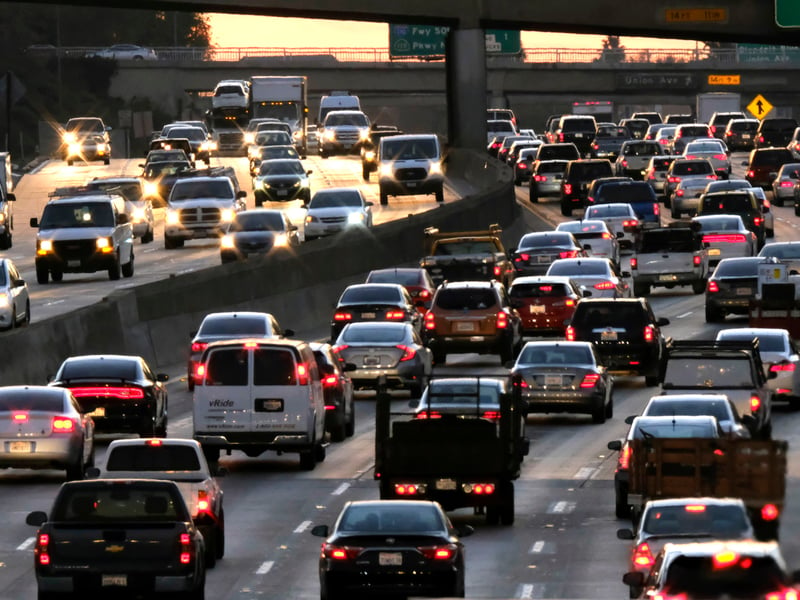
Additionally, people spend more time in their cars traveling to their destinations, which in turn hurts air quality and the climate.
“This bill really addresses these issues in a few ways,” Wiener said.
The bill would allow a residential development on land within a certain distance of transit stations. Projects could be in residential, mixed, commercial, or light industrial zones if the project meets certain requirements. An apartment building could be 75 feet high if it’s within a quarter mile of a qualifying transit station and 65 feet high if within a half mile of such a station.
The height caps on buildings are tied to the level of transit station.
The senator in his bill calls the housing crisis a statewide concern, not a municipal affair, meaning it applies to charter cities. Some charter cities have recently fought the state in court over laws they claim don’t apply to them, like Huntington Beach’s argument that it can enforce voter ID in municipal elections.
Also, housing developments that meet established provisions could get streamlined, ministerial approval. Cities that deny that approval could face penalties.
“Cities will no longer be able to ban apartment buildings,” Wiener said, adding later: “We have been working for years toward an expedited permitting process.”
Additionally, the bill would give transit authorities authority over their own land. They could adopt standards for commercial and residential projects on land they possess or have a permanent operating easement.
Several people spoke Friday in favor of Wiener’s legislation, including Kirsten Bladh, associate director of state policy at Streets For All.
Bladh argued that Pasadena, a city with a robust public transit system, has fewer people than Victorville, which sees one train a day. That’s because people over the years have fled the expensive cities to cheaper, outlying areas. Those moves have exacerbated traffic congestion and greenhouse gas emissions.
Allowing residential developments near transit stations will cause transit to thrive, Bladh said.
“And this is exactly what SB 79 will do,” she added.
Daly City Council member Juslyn Manalo said the state faces a housing crisis. She called Wiener’s bill a smart solution to help fix that problem.
Others agreed.
Jane Natoli, San Francisco organizing director with YIMBY Action, said there’s an obligation to build housing where people want to live. Senate Bill 79 will help lead to sustainable communities.
Brian Hanlon, president and CEO of California YIMBY, argued that affordable housing must be near public transportation.
“Legalizing home building near transit is more urgent than ever,” Hanlon said. “Can California get out its own way and build the housing we need?”
This isn’t the first time Wiener has floated legislation targeting housing near transit stations. Earlier bills died, but Wiener argued that they changed the conversation around housing in California.
One of those bills, he said, cast a wide net, affecting development around all bus stops. His current bill is more focused.
“This focuses on transit and on the highest-quality transit,” Wiener said.
Subscribe to our free newsletters
Our weekly newsletter Closing Arguments offers the latest about ongoing trials, major litigation and rulings in courthouses around the U.S. and the world, while the monthly Under the Lights dishes the legal dirt from Hollywood, sports, Big Tech and the arts.