
 Search Articles


SACRAMENTO, Calif. (CN) — The public defender, speaking to a California legislative committee on Tuesday, pointed to a problem with Proposition 36.
An Alameda County woman, recently arrested on a theft charge, faced a felony. That’s because she had two prior convictions: one from 2022 and the other from almost 25 years ago.
“There are so many things wrong with Prop 36,” said Brendon Woods, the county’s public defender.
Woods appeared before a joint state Senate hearing convened to discuss Proposition 36. Passed overwhelmingly in November by voters, the measure increased the penalties for certain theft and drug crimes. It also mandated treatment for repeat drug offenders.
The proposition undid a measure from a decade ago that had reduced penalties for certain crimes.
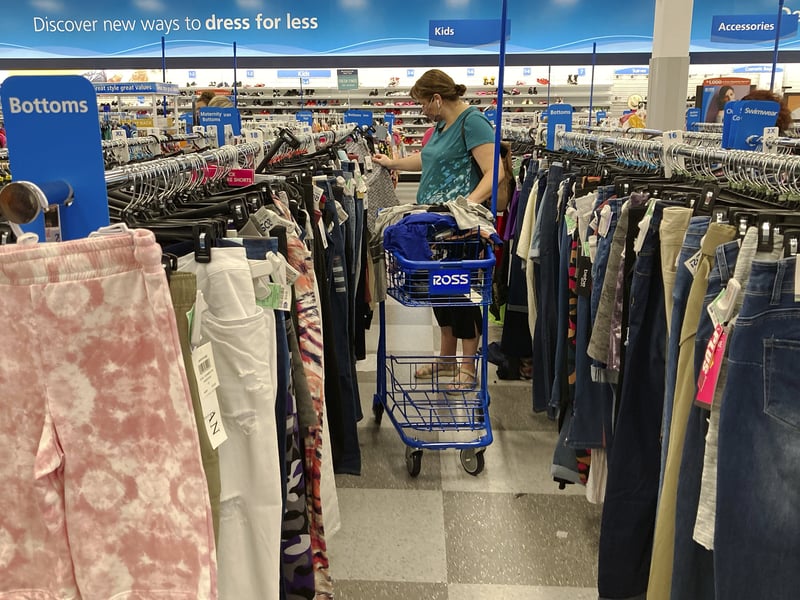
The proposition has issues, Woods said. One person now has a felony charge for stealing a $16 bottle of wine. The prior convictions prosecutors use to make the felony charge have no cutoff date, meaning they can reach back decades.
Mandated drug treatment is another issue, said Jennifer Jennison, Stanislaus County public defender. She called treatment a complex process that requires individual plans, as no one size fits all. People currently are in jail, have no money for bail and are waiting for treatment.
Regardless of whether the discussion focused on more people facing incarceration or the need for treatment beds, the conversation kept returning to funding. Governor Gavin Newsom has provided no money for the proposition in his proposed budget.
State Senator Roger Niello, a Fair Oaks Republican and vice chair of his chamber’s Budget Committee, said he sent a letter in November to Newsom requesting funding for the proposition. Arguing it would require a fraction of 1% of the state’s general fund, Niello suggested that Newsom didn’t offer funding because he doesn’t like the law.
“When you have inaction, eventually people step up to fill that void,” said state Senator Kelly Seyarto, a Murrieta Republican, of the citizen-initiated ballot measure. “It is a mandate.”
The proposition faced hurdles from the legislative Democratic supermajority and governor. Democrats favored a crime bill package they said was a better option. At one point, they pushed for a competing ballot question, though it soon was pulled from consideration.
On Tuesday, state Senator Scott Wiener, a San Francisco Democrat, called Proposition 36 the law of the land.
“There’s no question that we’re going to implement this,” said state Senator Anna Caballero, a Merced Democrat. “We have to spend the money to do this.”
Caitlin O’Neil, principal fiscal and policy analyst with the state Legislative Analyst’s Office, said her office estimated criminal justice costs across the state will range from tens of millions to hundreds of millions of dollars. She noted that while the state could provide money to counties for implementation, it has no requirement to fund them.
Local officials from across the state told the committee they expect the proposition to impact them financially.
Francine Byrne, director of criminal justice services with the Judicial Council of California, said more felonies will equate to more continuances and trials for the court system. She said felony cases can cost over $600 more than a misdemeanor case to adjudicate.
Phebe Bell, director of Nevada County’s Behavioral Health Department, told the committee that Proposition 36 created a new path to treatment services but allocated no money. Her county relies on federal grants and Medi-Cal for its treatment funding. She argued counties should receive state funding for the mandated treatment.
Transitional housing is lacking, and counties don’t have the workforce to support a heightened treatment system, said Robb Layne, executive director of the California Association of Alcohol and Drug Program Executives. He argued it’ll take years to build the workforce needed.
“Propositions are always problematic,” Caballero said, noting that they become effective quickly after passage, as opposed to legislation which could have a designated start date. “I’m concerned every county is going to do something a little bit different.”
Subscribe to our free newsletters
Our weekly newsletter Closing Arguments offers the latest about ongoing trials, major litigation and rulings in courthouses around the U.S. and the world, while the monthly Under the Lights dishes the legal dirt from Hollywood, sports, Big Tech and the arts.