
 Search Articles


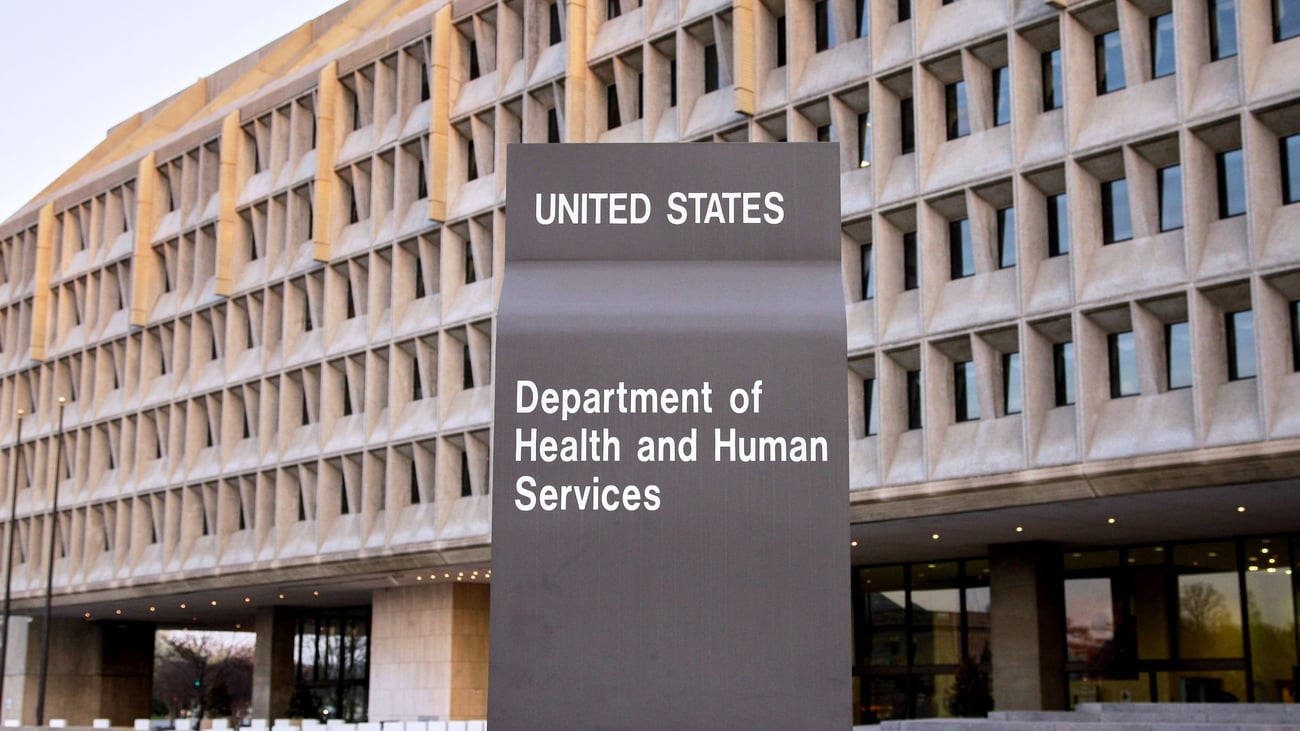
SAN FRANCISCO (CN) — A federal judge in California Tuesday issued an injunction preventing the government from cutting off $10 billion in child care and housing funds for five Democratic-led states. It’s the latest ruling prohibiting the Trump administration from implementing a freeze on the states’ Administration for Children and Families funding.
In a ruling from the bench, U.S. District Judge Trina Thompson said the plaintiffs are likely to succeed on the merits of their claim the government did not follow the required legal process when it announced it would be freezing funds for three public welfare programs in New York, California, Colorado, Illinois and Minnesota over potential concerns of fraud.
The Joe Biden appointee also said the government did not offer sufficient evidence to support allegations of fraud in the five Democratic-led states, and the plaintiffs will suffer irreparable harm if the freeze is allowed to take effect.
“They don’t seem to be putting children first in this case,” Thompson said. “When I don’t see data that supports the purpose that is driving this, it brings about even more concern.”
Although the judge said her ruling was tentative, she also said the order is effective immediately. Thompson did not issue a ruling on the plaintiffs’ request to prohibit the government from requiring the states to turn over information regarding their child care programs.
In a statement to Courthouse News, Democracy Forward President and CEO Skye Perryman, representing the plaintiffs, celebrated the tentative ruling saying the decision “makes clear that no administration can weaponize public funding to serve a political agenda.”
“The Trump-Vance administration attempted to withhold billions in funding Congress already approved, threatening child care providers, forcing parents out of work, and destabilizing local economies, all to punish communities it disagrees with,” she said. “The court saw this for what it is: unlawful, abusive, and dangerous.”
Representatives for the Department of Justice did not immediately respond to a request for comment.
The plaintiffs, labor organizations and a small business advocacy group representing those who would be affected by the funding cuts, accuse the Trump administration of retaliating against states it perceives to be its political enemies by indefinitely freezing $10 billion in grants from the Child Care and Development Fund, Temporary Assistance for Needy Families and the Social Services Block Grant.
They argue the administration’s rationale for the funding freeze — concerns about fraud — is a pretext to “punish the residents of California and four other states for voting for members of the Democratic Party to lead their respective states.”
“Even if HHS believed there were such widespread, ongoing fraud (a baseless claim), it has no statutory or regulatory authority to impose a unilateral freeze. To the contrary, congressional direction and implementing regulations forbid it from unilaterally deciding to halt subsidies under these programs,” the plaintiffs said in their motion for preliminary injunction.
“HHS cannot circumvent these directives by withholding all funding to the targeted states and their residents until those states comply with impossible demands for voluminous information," the plaintiffs continued.
During Tuesday’s hearing, Thompson pressed the government on what evidence they had to support their claims of fraud, waste, and abuse in the five states.
“There was reference to concern — not evidence — but concern that these funds were somehow not going to American families and were being fraudulently diverted from American families, that somehow this restricted money was going to individuals who had certain immigration status and were ineligible to be beneficiaries of these services. Is there anything objectively pointing to these concerns?” she asked.
Jevechius Bernardoni, representing the government, said he can only rely on what is in the record.
Bernardoni argued the government has a duty to ensure federal funding is not being used for fraud or in inappropriate ways, and that can include requesting information from the states for oversight purposes. He additionally claimed the only thing the five targeted states had in common was they had been identified for having potential fraud.
In response, Yenisey Rodriguez of the Democracy Forward Foundation, an attorney for the plaintiffs, said the only similarity between the five targeted states is that their residents elected Democratic representatives.
“Any concerns of fraud are simply pretextual,” she said.
Rodriguez called the government’s approach to concerns about fraud a “freeze first, then prove later” strategy, adding they had provided no evidence or data to support their claims of fraud or diversion of money intended for U.S. citizens.
Rodriguez additionally told Thompson hundreds of thousands of people would be impacted by a funding freeze, including owners and operators of child care centers who receive subsidies, public service workers who administer the funds, parents and families who rely on the funding to pay for child care, and the labor organizations themselves, who claim they will lose bargaining power.
Thompson’s ruling is not the first time a federal judge has blocked the administration from implementing a freeze on the states’ Administration for Children and Families funding.
In a separate case brought in the Southern District of New York by the attorneys general of the five states, a Manhattan-based federal judge granted an emergency restraining order barring the Trump administration from freezing funds for three programs.
Another New York City federal judge later extended the restraining order before granting the plaintiff states’ motion for a preliminary injunction, further barring the administration from implementing the funding freeze until a decision on the merits of the case could be made.
On March 10, the judge issued a separate opinion finding the federal government’s funding freeze announcements were final agency action and likely arbitrary and capricious. He further ruled the plaintiffs were likely to succeed on their claims that the restrictions on the funding were contrary to the law and they would be irreparably harmed without an injunction.
Rodriguez told Thompson an additional injunction was necessary because the New York-based lawsuit is actively being litigated and can be stayed, modified, or vacated at any time.
“Plaintiffs here are independent parties with very different harms from the states in the other matter, and they should not be expected to rely on an out-of-circuit case,” she said.
 Follow @mhattridge_
Subscribe to our free newsletters
Our weekly newsletter Closing Arguments offers the latest about ongoing trials, major litigation and rulings in courthouses around the U.S. and the world, while the monthly Under the Lights dishes the legal dirt from Hollywood, sports, Big Tech and the arts.
Additional Reads
 Judge dismisses foster kids' suit against Alaska March 31, 2026
 Decadelong fight over Yuba River dams ends in favor of feds March 31, 2026
 Judge blocks Trump thump of NPR, PBS funding March 31, 2026