
 Search Articles


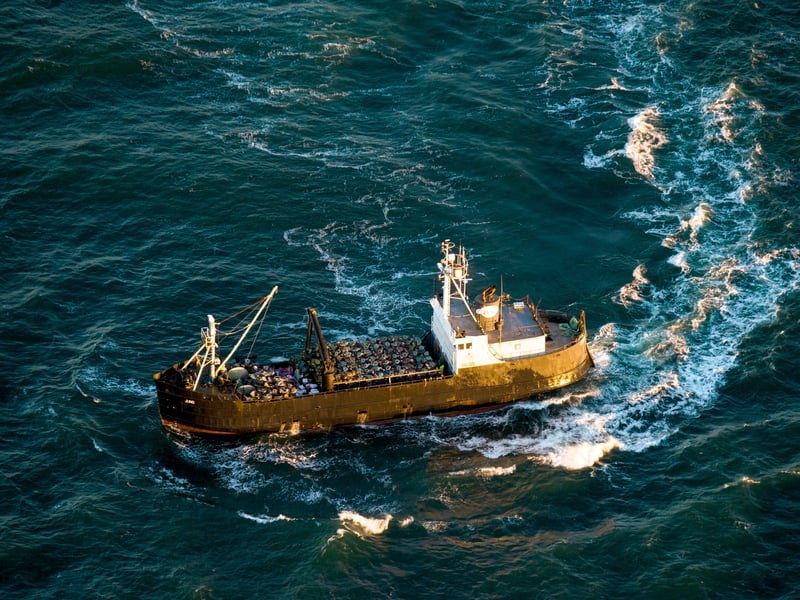
SACRAMENTO, Calif. (CN) — California greatly expanded the commercial Dungeness crab season Thursday, opening fishing activity along the entire coast starting next week.
The existing prohibition — enacted by the state’s Department of Fish and Wildlife — has been modified over the past few months. State officials cited whale sightings as the reason for the delay in the season, which typically starts in late November.
Thursday’s announcement will allow the use of crab traps by commercial fisheries from the Sonoma-Mendocino county line in the north to the Mexican border. However, the crab traps in those areas are limited to only 50% of a permitted vessel’s trap tier.
Any commercial vessel fishing in or moving through those areas are affected by the 50% reduction. They also must have at least 50% of their valid buoy tags for this fishing season onboard and ready for inspection.
A gear-setting period will start Monday, with the reopening of crab fishing in all zones beginning Jan. 18.
The next risk assessment performed by Fish and Wildlife, which can lead to restrictions, is set for mid-February.
“This management decision is a balanced approach that achieves two outcomes,” the department said in a statement. “First, this trap reduction will help reduce entanglement risk for humpback whales by reducing the amount of gear and vertical lines in the water. Second, the decision gets the commercial fishery open statewide.”
The department made other tweaks to its current restrictions. A recreational crab trap prohibition that’s currently in effect between the Sonoma-Mendocino line and Lopez Point in Monterey County is lifted, effective 8 a.m. Friday.
A fleet advisory for the entire coast remains in effect for commercial and recreational fisheries.
Commercial fishing between the Oregon border and the Sonoma-Mendocino line opened Jan. 5. It has no trap reductions.
Ben Grundy, oceans campaigner with the Center for Biological Diversity, in a statement pointed to two humpback whales getting entangled in fishing gear since the December assessment. Gear from a Dungeness crab fishery was identified in one of those entanglements. The other wasn’t identified.
“I’m glad California officials are taking a cautious approach with opening the Dungeness crab fishing season, but I’m still worried about it,” Grundy said. “My fingers are crossed that crab fishing doesn’t bring more humpback entanglements, but putting any fishing lines back in the water increases that risk.”
Contacted Thursday, a representative for the California Coast Crab Association deferred comment, saying he was loading crab pots at the time.
Charlton H. Bonham, director the state Fish and Wildlife Department, said in a statement that the decision to open all areas to Dungeness crab fishing struck a balance. It protects whales and turtles while putting vessels back on the water, bringing in fresh and sustainable crab for Californians.
The department urges all fisheries to use best practices and not put any gear in an area with whales or turtles. They’re also advised to watch for lost or abandoned gear. Permitted commercial Dungeness crab vessels can collect up to six derelict crab traps each fishing trip.
Entanglements have grown in the past few years on the West Coast, leading the department to implement steps to help prevent them.
The 2020 formation of the Risk Assessment and Mitigation Program was one such step. The department at least once a month assesses entanglement risk for humpback and blue whales and sea turtles.
When risk to entanglement grows, the department will use a working group and review information. It then might take steps, like imposing fleet advisories and fishery closures.
Subscribe to our free newsletters
Our weekly newsletter Closing Arguments offers the latest about ongoing trials, major litigation and rulings in courthouses around the U.S. and the world, while the monthly Under the Lights dishes the legal dirt from Hollywood, sports, Big Tech and the arts.