
 Search Articles


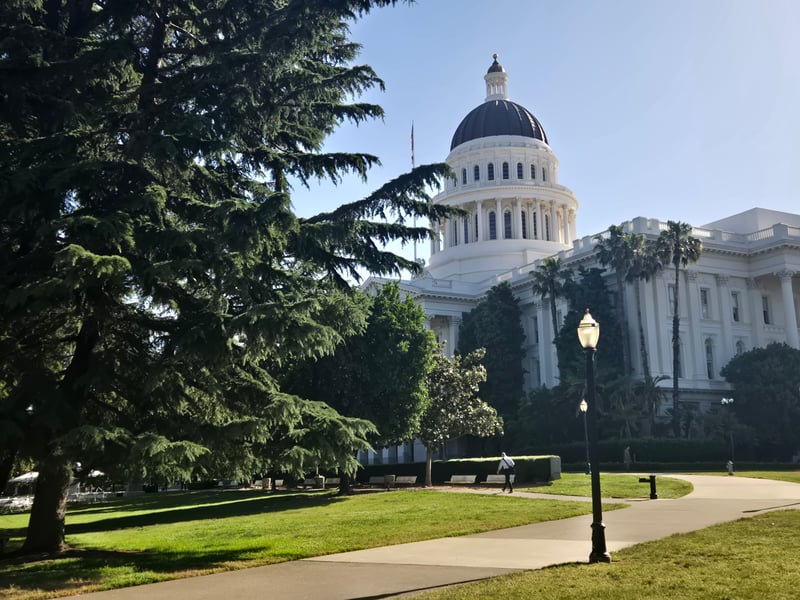
SACRAMENTO, Calif. (CN) — The sun will continue to set, regardless of what California lawmakers do.
What won’t change is a move by a Golden State legislator to make standard time permanent, as that bill reaching for the horizon died Friday in a key committee.
The chairs of both the Assembly and state Senate Appropriations committees pointed to the newly revealed $12 billion budget deficit as the reason many bills wouldn’t pass Friday’s deadline to reach the floor of their respective houses.
“The rent is too high, the groceries are too expensive,” said Assemblymember Buffy Wicks, an Oakland Democrat and chair of her chamber’s Appropriations Committee. “A lot of good but expensive bills will not be moving out of committee today.”
State Senator Roger Niello, a Fair Oaks Republican, introduced Senate Bill 51. It would have repealed Daylight Saving Time in California, making standard time year-round. Analysts estimated that, if the question needed to reach voters for approval, it would cost almost $1 million for printing and mailing costs.
However, many high-profile bills did make the cut on what’s called the suspense file. Bills that meet a fiscal threshold are often referred to that file after passing through their initial committees. Then, on suspense day, the Appropriations committees quickly read through the list of bills, moving many to their house’s floor but also holding others back.
Those that passed on Friday must get a successful floor vote by June 6 to reach the other chamber.
A bill touted by Democratic Senate leadership, which would transition seasonal firefighters to full time, easily passed. Senate Bill 581 was introduced by Senate President pro Tempore Mike McGuire, a North Coast Democrat who revealed the staffing plan in the wake of the devastating Los Angeles County wildfires.
The wildfires dominated the early portion of this year’s legislative session, though bills focused on social media and artificial intelligence have vied this year for lawmakers’ attention.
Assemblymember Rebecca Bauer-Kahan, an Orinda Democrat, had several bills dealing with both pass on Friday.
Assembly Bill 56 would require social media companies to show a warning to users when they log on, after three hours’ of use and then every hour after that point.
Assembly Bill 1064, called the Leading Ethical AI Development for Kids Act, would regulate chatbots and systems that collect kids’ data. Assembly Bill 1018 would regulate automated decision systems used to make consequential decisions, like those affecting a person’s employment, enrollment and discipline.
Bauer-Kahan also saw Assembly Bill 621, which addresses deepfake pornography, pass her chamber’s committee. It would expand liability to those who knowingly or recklessly assist in the creation or distribution of deepfake pornography that’s nonconsensual. It targets those who process payments, host providers of the content and services that make the websites operational.
Assemblymember Diane Dixon, a Newport Republican, had a related bill pass as well. Assembly Bill 392 requires online platforms that host sexually explicit content to ensure it displays consenting adults with their permission.
Algorithmic pricing is another topic that’s taken lawmakers’ time this session. Assemblymember Chris Ward, a San Diego Democrat, already has a bill in the Senate. His legislation would prohibit basing a product’s price off personal information, like products and services they’ve previously bought, or geolocation that’s revealed through electronic surveillance technology.
On Friday, state Senator Aisha Wahab, a Silicon Valley Democrat, had Senate Bill 384 pass to her house’s floor. It also would prohibit businesses from using a price-fixing algorithm when setting prices for goods or services.
Other bills that secured passage run the gamut from self-checkout machines to smog checks for classic cars.
State Senator Lola Smallwood-Cuevas, a Los Angeles Democrat, saw Senate Bill 442 pass. It’s similar to a bill of hers from last session that affects self-checkout stations. This bill would require at least one employee-staffed station in a store with self-checkout and limit someone to 15 items at a self-serve station.
Assemblymember Alex Lee, a San Jose Democrat, had his Social Housing Act bill pass. Assembly Bill 11 would facilitate building social housing. It’s a model that includes publicly backed homes with residents of different income levels. Also, it can’t be sold to a private, for-profit entity.
Legislation dubbed “Leno’s Law” also crossed Friday’s finish line. Senate Bill 712 — by state Senator Shannon Grove, a Bakersfield Republican — would exempt collector cars from the state’s smog check law if their model year is at least 35 years old.
Former late-night show host Jay Leno testified in support of the bill last month.
Some changes were made in committee, like delayed implementation. The full scope isn’t yet known.
“While I have concerns about the amendments, I remain optimistic that we can work to improve the language as the bill continues through the legislative process,” Grove said in a statement.
Despite hundreds of bills beating deadline, many others didn’t make the cut.
A bill that would have exempted tips from the state’s income tax failed to pass. Senate Bill 17, by state Senator Rosilicie Ochoa Bogh, would have meant almost $700 million less in collections over two fiscal years.
Assemblymember James Ramos, a Highland Democrat, saw Assembly Bill 989 held in committee as well. It would have made the fourth Friday in September Native American Day, a paid state holiday.
Assembly Bill 286, written by Assemblymember and Minority Leader James Gallagher, a Yuba City Republican, also died. The measure would have required the creation of a report detailing how to decrease electricity rates by no less than 30%.
A bill by state Senator and Minority Leader Brian Jones, a San Diego Republican, also didn’t pass muster.
Senate Bill 286 would have removed several sexually related convictions that currently qualify for elderly parole. That existing program allows parole as a consideration once someone reaches 50 years of age and has served at least 20 years of their sentence.
Subscribe to our free newsletters
Our weekly newsletter Closing Arguments offers the latest about ongoing trials, major litigation and rulings in courthouses around the U.S. and the world, while the monthly Under the Lights dishes the legal dirt from Hollywood, sports, Big Tech and the arts.