
 Search Articles


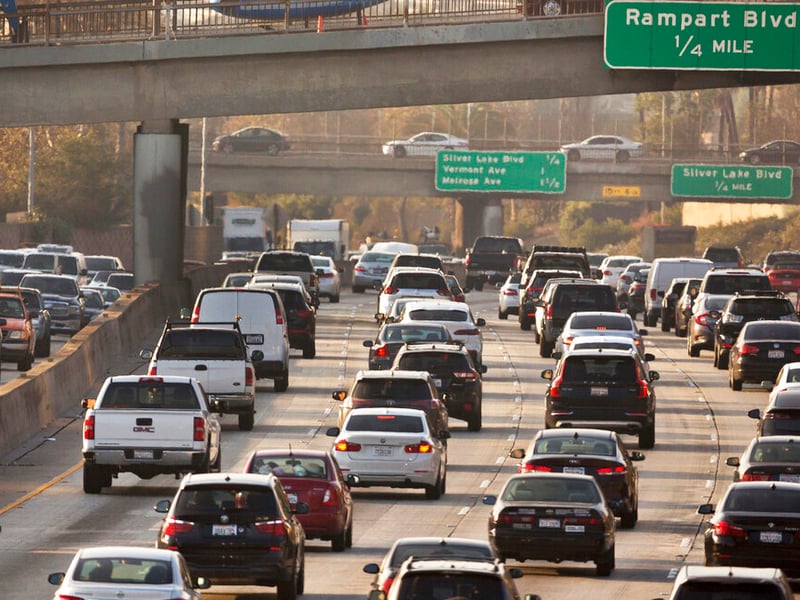
SACRAMENTO, Calif. (CN) — A bill introduced this week in the California Legislature would prohibit all passenger vehicles made or sold in the state from exceeding the speed limit by more than 10 mph.
Senate Bill 961 — written by state Senator Scott Wiener, a San Francisco Democrat — would require all passenger vehicles, motortrucks and buses to have an intelligent speed limiter system installed in them starting with the 2027 model year. The bill would not apply to emergency vehicles, or any vehicle authorized by the commissioner of the California Highway Patrol.
The speed limiter systems could be temporarily disabled by drivers.
“This speed limiting technology already exists,” Wiener posted Wednesday on X, formerly Twitter. “The European Union is moving in this direction and the National Transportation Safety Board has recommended adopting the requirement nationally.”
The federal transportation board issued that recommendation last year in response to a 2022 multi-vehicle crash in North Las Vegas, Nevada, that resulted in nine deaths. The recommendation calls for the technology to be installed in all new cars.
The technology uses a vehicle’s GPS location along with a database of speed limits and onboard cameras to keep cars at the proper speed. Passive systems alert a driver when the speed limit is exceeded — which the transportation safety board recommends at a minimum.
Wiener in his bill states that the speed limiter system would use GPS and could include other technology. Also, it “would electronically limit the speed of the vehicle to prevent the driver from exceeding the speed limit by more than 10 miles per hour.”
Jennifer Homendy, chair of the federal transportation board, said in a statement last year that the North Las Vegas crash was one in a long list of tragedies involving speed and drug-impaired driving.
“We know the key to saving lives is redundancy, which can protect all of us from human error that occurs on our roads,” Homendy said. “What we lack is the collective will to act on NTSB safety recommendations.”
The bill also adds a requirement that large trucks have side guards to prevent vehicles and bicycles from getting pulled under them in a crash.
The side guard requirement would apply to motortrucks, trailers and semitrailers weighing over 10,000 pounds that are made, sold or registered in California. Those guards would cover the space between the front and rear wheels, providing protection for smaller vehicles involved in collisions with them.
The bill is one of two that Wiener touted Wednesday, calling them the SAFER California Streets legislative package.
The second bill — Senate Bill 960 — would require California to make state-owned streets safer for bus riders, cyclists and pedestrians, Wiener said.
“SB 960 will make CA’s many state-owned roads (‘state highways’ that are actually city surface streets) safer for all users,” Wiener posted. “Many state roads lack basic features that make them safer for pedestrians, cyclists and bus riders. They lack sidewalks, crosswalks, bike lanes and so forth.”
Under the bill, Caltrans would improve crosswalks and curb extensions on state-owned streets when it performs work on them, making them more accommodating to pedestrians, cyclists and disabled people.
Currently, Caltrans often adds no safety improvements for non-drivers when performing road work, Wiener said.
Additionally, the bill calls for Caltrans to make a transit priority policy by Jan. 1, 2026. It would focus on performance improvements for transit travel time, as well as better accessibility at stations and boarding facilities.
According to Wiener, the state has experienced a recent upswing in road deaths. They’ve risen by 19% across the nation and by 22% in California over the past few years.
The senator said that 25,000 fewer people would die each year if the country adopted safety policies like other wealthy nations.
Subscribe to our free newsletters
Our weekly newsletter Closing Arguments offers the latest about ongoing trials, major litigation and rulings in courthouses around the U.S. and the world, while the monthly Under the Lights dishes the legal dirt from Hollywood, sports, Big Tech and the arts.