Search Articles


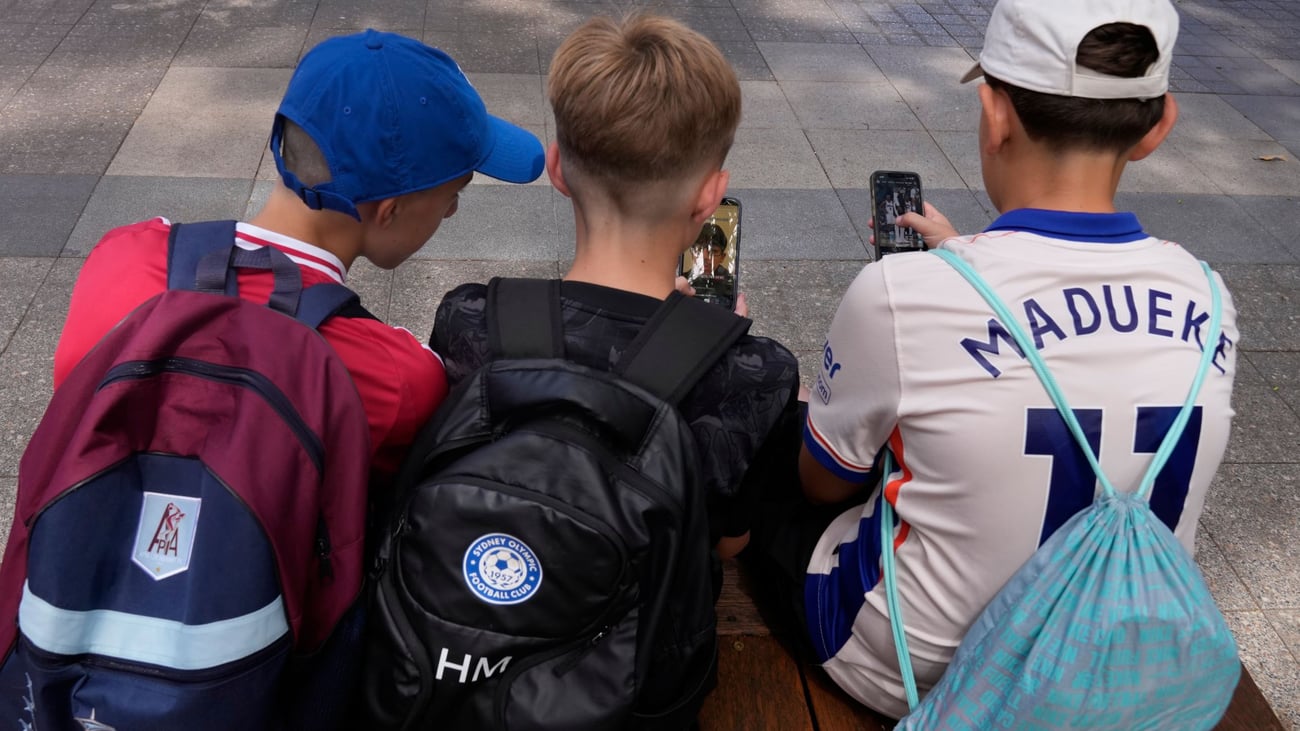
SACRAMENTO, Calif. (CN) — A California bill that would ban cellphones in schools throughout the state is having problems getting picked up.
The Assembly’s Education Committee initially planned to hear Assembly Bill 1644 last week. It pushed the hearing to Wednesday, and then to next week.
One of its authors — Assemblymember Al Muratsuchi, a Torrance Democrat — said Wednesday that the committee has concerns. School districts already are obligated by law to create policy limiting or prohibiting smartphones at schools by July 1. Also, committee members have issues over communication about extracurricular activities and after-school jobs.
And, Muratsuchi noted, people are accustomed to the convenience of cellphones.
“California should be leading on this issue,” he said at a press conference.
The bill would require school districts to have a policy by July 1, 2027, that prohibited smartphone use by students while at school or under school supervision — called a bell-to-bell ban. Those policies would derive from public participation, ensuring they meet specific community needs.
And school districts would have to update the policy every five years.
Muratsuchi said cellphone bans in schools increase academic outcomes and reduce discipline issues like cyberbullying. They exist in at least 10 states.
The bill has bipartisan support. Assemblymember Josh Hoover, a Folsom Republican, is a former school board member and the author of the 2024 bill that currently requires schools to make policies about limiting or prohibiting smartphone use.
“I think it is time for us to go one step further,” Hoover said, adding later: “Discussions are ongoing. This is an important thing to get right.”
As a school board member, he saw the effects of a 2019 law that encouraged schools to adopt cellphone restrictions. His district was among the first, and Hoover said he witnessed an immediate impact on student health.
Assemblymember Josh Lowenthal, a Long Beach Democrat and coauthor, said a youth mental health crisis is leading to depression and social harms among youth. He drew a line between that crisis and smartphone use, saying algorithms are designed to keep people on their devices.
Any unstructured moment leads kids back to their phones. He argued that teens spend between eight and nine hours daily on their screens. That’s why a statewide ban is needed.
“Keeping phones out of schools addresses the symptom, not the source,” Lowenthal added, pointing to one of his bills as complementary. Assembly Bill 1709 would prohibit certain social media platforms from allowing children younger than 16 from having an account on them.
That bill also is in its infancy.
Martin Hilbert, a professor at UC Davis, said existing law along with bans allowing exceptions are ineffective. He compared it to banning smoking at a restaurant while people eat, but allowing it between courses.
“Anything but a bell-to-bell ban is a losing proposition by design,” he argued.
While opting against a Wednesday hearing on the cellphone bill, the Education Committee did vote on another bill that would affect schools across California.
Assembly Bill 2651 — introduced by Assemblymember Mia Bonta, an Oakland Democrat — would require the state Department of Public Health to develop an immunization rate needed to stop the spread of communicable diseases that children must receive vaccinations for to attend school. The department would issue notices when those levels fall below the established rate.
Bonta said the immunization data already is collected by the state. Her bill would make it easily accessible to parents, instead of making them find the information themselves.
“AB 2651 removes these burdens from parents,” she added.
April Robinson, with A Voice for Choice Advocacy, said the bill needed amending. She argued immunization rates are akin to a snapshot taken at the school year’s start, when compliance is at its lowest. She added there’s no evidence releasing the information would alter people’s behaviors.
The committee passed the bill, which now proceeds to the Assembly Appropriations Committee.
Subscribe to our free newsletters
Our weekly newsletter Closing Arguments offers the latest about ongoing trials, major litigation and rulings in courthouses around the U.S. and the world, while the monthly Under the Lights dishes the legal dirt from Hollywood, sports, Big Tech and the arts.
Additional Reads
 Montana high court affirms block on binary sex definition April 15, 2026