
 Search Articles


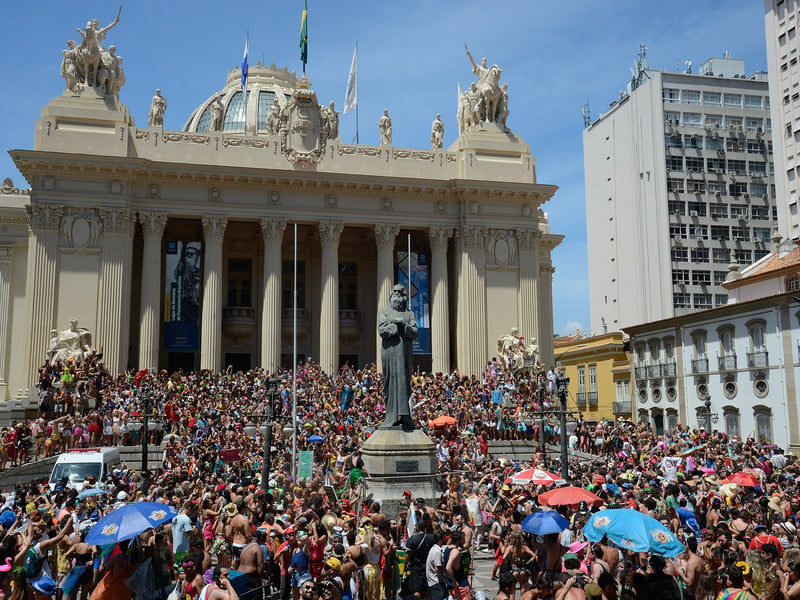
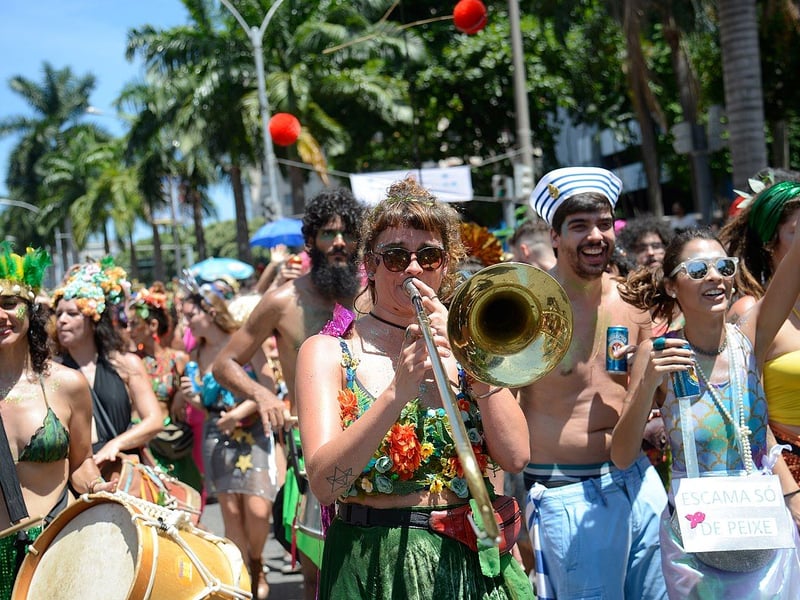
RIO DE JANEIRO (CN) — For most of the 53 million people Brazil’s Ministry of Tourism expects to celebrate Carnival in early March, the party takes place on city streets, not in samba school parades with large floats and dancers in elaborate costumes.
But organizers have raised concerns about the bureaucratic hurdles they face in securing parade authorization and a lack of sponsorship, leaving some parades to disappear.
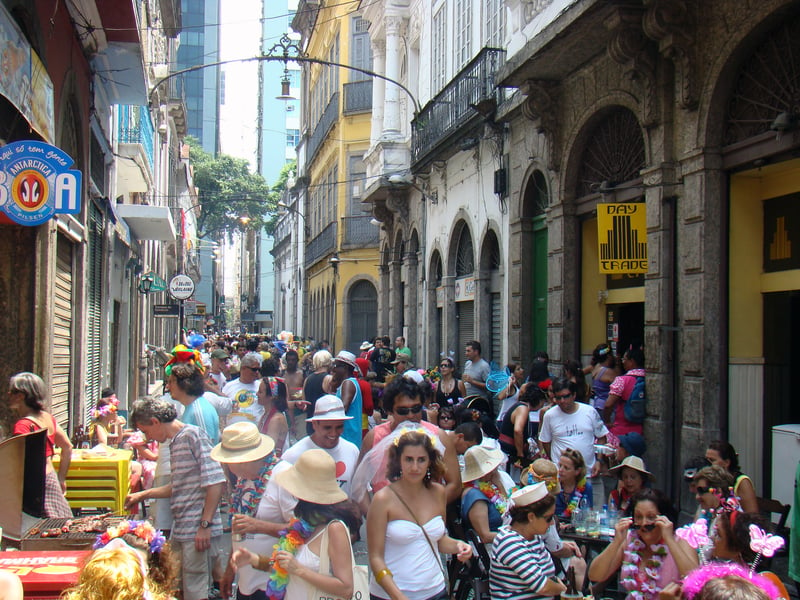
“Blocos” — groups of musicians and the often-costumed revelers who follow them in processions — range from cars outfitted with large sound systems playing samba themes and traditional songs called “marchinhas” to entirely acoustic groups that adapt pop hits to the rhythm of the marchinha. They attract anywhere from 500 to 500,000 people, most of whom follow the parade for free.
President Luiz Inácio Lula da Silva recognized blocos as a cultural manifestation by law last year.
In Rio de Janeiro, considered by the Ministry of Tourism the “country’s showcase abroad,” 482 blocos are expected to draw 8 million people. The actual number may be nearly double that, as many blocos remain unofficial.
In 2012, the city released a list of specifications that formalized the current system, according to Riotur, the city agency responsible for organizing the event. The process involves preregistration with the city government, detailing location, expected audience and brand exposure, followed by approvals from civil and military police and the fire department.
“That’s where the problems begin,” said lawyer Marco Muniz Barreto, coordinator of Folia Carioca, an association of 12 Carnival blocos and bands formed in 2009. Barreto said the fire department’s technical standards, meant for general events, don’t apply to street Carnival.
Rita Fernandes, president of Sebastiana, an association representing blocos from Rio’s south zone, Santa Teresa, and downtown, said the fire department’s more stringent requirements, including a route plan and fire safety manager, have been challenging.
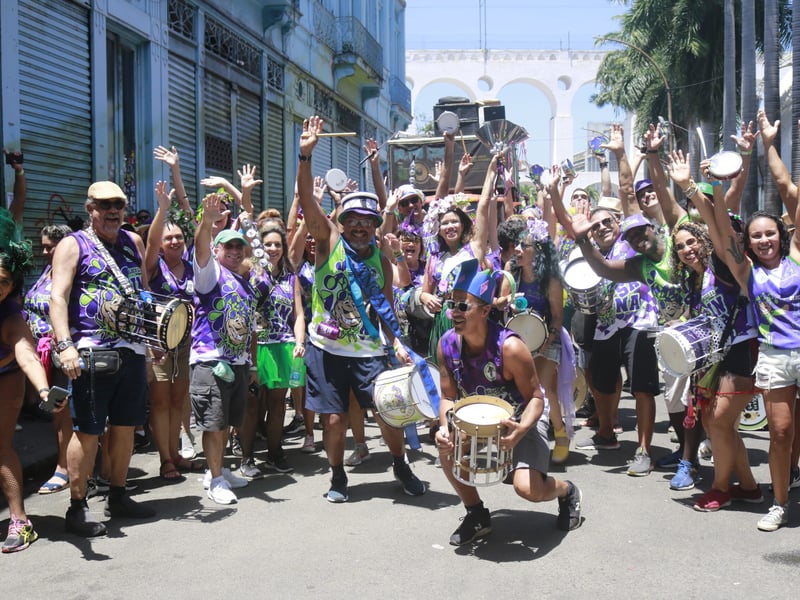
This is why some traditional blocos, such as Meu Bem, Volto Já, founded 30 years ago by university professor and composer Jorgito Sapia, have decided that 2025 will be their last year to parade. “On Jan. 13, I filed the documents with the fire department,” Sapia said, noting that his group expects 1,000 people to attend, which he doesn’t consider a large event. “I received a response stating that there are several impediments preventing us from parading.”
On Feb. 26, just three days before the start of Carnival, Bangalafumenga, a bloco founded in 1998, announced it would not parade this year. “We have decided that we will not simply go with the flow, remain on autopilot, and continue within a street Carnival model in our city that has, for years, proven suffocating for the blocos, the true organizers and owners of the party,” the group said on social media.
In a statement, the Rio de Janeiro fire department said it plans to simplify the regularization process for smaller groups. “Groups that do not have physical infrastructure, such as grandstands, sound cars, or electric trios, are exempt from regulation,” the department stated. “The goal is to avoid risks like electrical discharges, accidents, and structural collapses, and to ensure the presence of medical posts and ambulances for emergencies.”
Carnival researcher Tiago Ribeiro notes that in 2009, Rio experienced a “shock of order.”
“Carnival was growing, and criticism about the increasing number of blocos was rising,” Ribeiro said. He recently published Os Blocos do Carnaval Carioca, a book about Rio’s blocos based on his doctoral thesis from Rio de Janeiro State University.
Ribeiro explained that this period coincided with preparations for major events like the Olympics and World Youth Day. “The city became a global focus, and the government recognized the need for organization,” he said. He traces the origins of street Carnival to the arrival of the Portuguese royal family in Brazil, which shifted the celebration from “entrudos” to French-style street parades. “Street Carnival has a strong connection with the urban transformations of Brazilian cities,” he added.
Rio’s street Carnival began growing in the 1980s during redemocratization and reached its current scale by 2000. “From then on, a series of rules were established, but they became static and increasingly bureaucratic,” Ribeiro said.
Financing is another issue. In the system set up by the city, public areas are “sold” to sponsors to fund Carnival.
“This created a gray area where no one knew what was allowed, leading to abuse by city agencies,” Fernandes said. This month, following meetings with group representatives, the city decided that groups could have individual sponsors. “This will change things for the 2026 Carnival, as brands will feel more confident,” she said.
Barreto advocates creating financing lines that groups can access directly. “There’s a lot of focus on Sapucaí [Sambódromo Marquês de Sapucaí, where the samba school parades take place], but the street parties, which drive the Carnival, receive nothing,” he said. Riotur estimates that Carnival will generate $1 billion in income for the city.
Both Fernandes and Barreto support a law that would establish a “civil framework” for Rio’s Carnival. In their view, Bill 556, from 2017, would define the responsibilities of everyone involved in street Carnival.
“Every year it’s the same — both in what we do and the confrontations. With a regulatory framework, at least some of these issues would be settled,” Fernandes said.
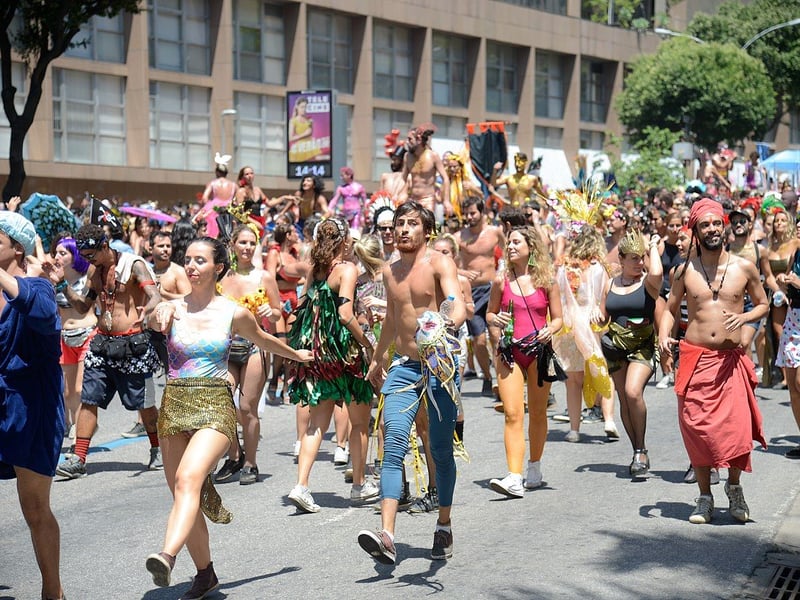
Lawyer Edu Pereira, one of the founders of Cordão do Boi Tolo, a bloco created in 2006, disagrees. “I think it’s an exaggeration to legalize something that is already legal,” he said, noting that, in addition to the law recognizing blocos as a cultural manifestation, cultural manifestations are already protected by the federal constitution.
Pereira said Boi Tolo was born in response to excessive bureaucracy and what he views as the commercialization of Carnival. After a rule shifted the Cordão do Boitatá parade to the following day, some people, unaware of the change, gathered and paraded anyway, attracting others who believed it was Boitatá. That’s why they named the newly founded bloco “tolo,” meaning “fool” in Portuguese. “The spirit of Carnival is free expression, and nothing is more typical of our Carnival than that,” he said.
While Pereira emphasizes the importance of infrastructure and security, he believes these should apply year-round. He also criticized the requirement to provide advance notice for occupying public streets during Carnival. “The government knows people will take to the streets to celebrate, so why make it so bureaucratic for some groups?” he asked.
Despite the challenges, Pereira sees value in the city’s efforts to organize the event. “Carnival is a popular event with many variables. You can’t have a standard recipe for everything,” he said, stressing the importance of people using public spaces responsibly.
Ribeiro agrees that dialogue is the best approach and that the city government has adopted a less combative stance toward the groups. “The tone is more moderate, and the city government realizes it can no longer impose a single model,” he said.
In a statement, Riotur said, “the larger the group’s structure, the more requirements it must meet,” adding that the regulations are necessary for ensuring security, cleanliness and overall organization, providing the best experience for partygoers and residents.
Riotur also acknowledged that unauthorized blocos are a challenge, but said they are welcomed in the city. “Ideally, we would have information about them to provide the same infrastructure and security as we do for registered parades,” said Riotur President Bernardo Fellows.
To manage unexpected parades, the city government said it has established a system for the immediate deployment of traffic and cleaning teams. It says it maintains a dialogue and a direct contact channel with Carnival leagues and blocos organizers. “Riotur believes that spontaneity and cultural diversity already coexist in Carnival and works to ensure this continues,” the city said.
Subscribe to our free newsletters
Our weekly newsletter Closing Arguments offers the latest about ongoing trials, major litigation and rulings in courthouses around the U.S. and the world, while the monthly Under the Lights dishes the legal dirt from Hollywood, sports, Big Tech and the arts.