
 Search Articles


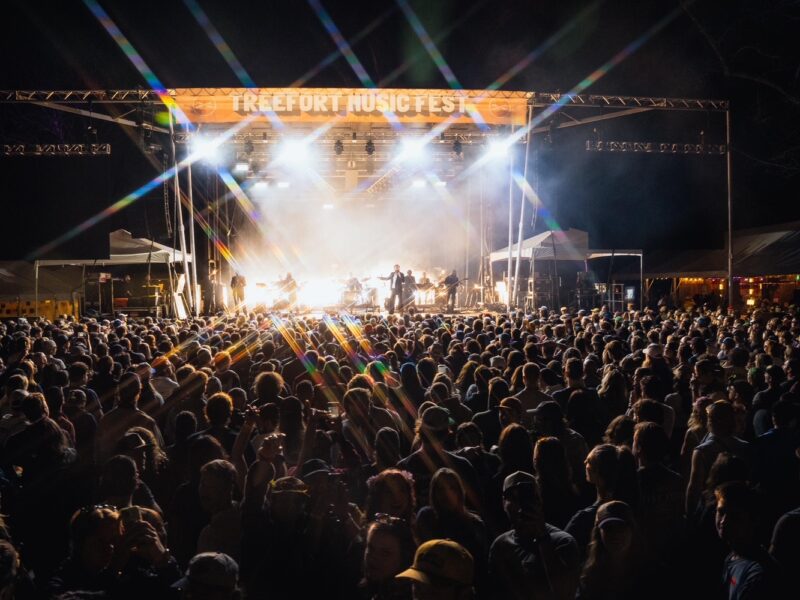
BOISE, Idaho (CN) — Boise’s Treefort Music Fest doesn’t announce itself all at once.
Instead, the first signs of the ascendant music festival might be a line outside a downtown venue, a band loading gear through an alley or a crowd spilling onto a street.
Visitors might encounter one of Treefort’s roaming eyeball mascots: a roller skater with a giant animated eye. And yet over the course of five days, the offbeat festival takes over nearly every corner of downtown.
What began in 2012 as a music and arts festival has grown into a citywide event.
Treefort now stretches across dozens of venues in downtown Boise, pulling in hundreds of artists and layering in everything from comedy to food to film. The five-day festival kicked off on Wednesday, March 25, and ended on Sunday, March 29.
This year, there were a whopping 556 bands. In a sign of just how much demand has grown, five-day passes sold out ahead of time.
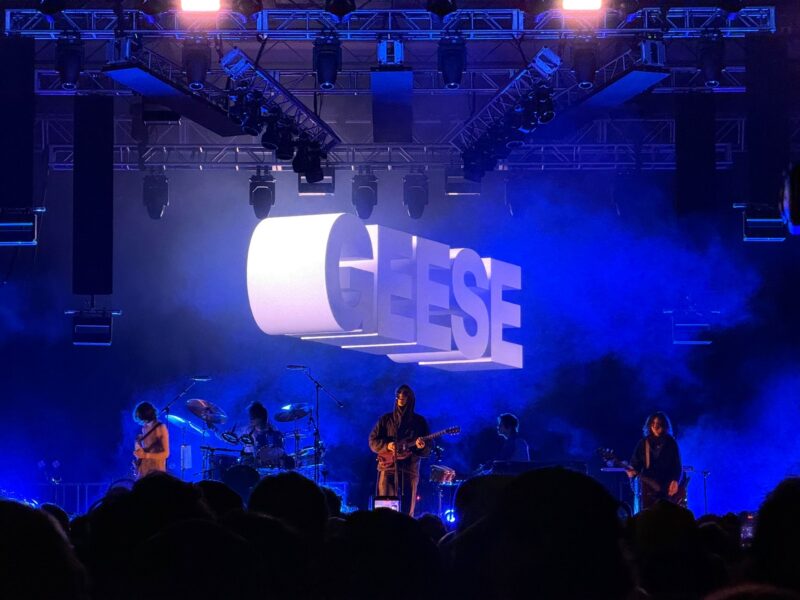
Famous musicians made appearances. Acts like Geese, Father John Misty, Magdalena Bay and Flipturn anchored the 2026 lineup, drawing a mix of longtime attendees and first-timers.
Still, a big part of the Treefort’s appeal is the smaller acts. Instead of waiting around for a famous headliner, visitors might wander into a set they didn’t plan to see and discover something new.
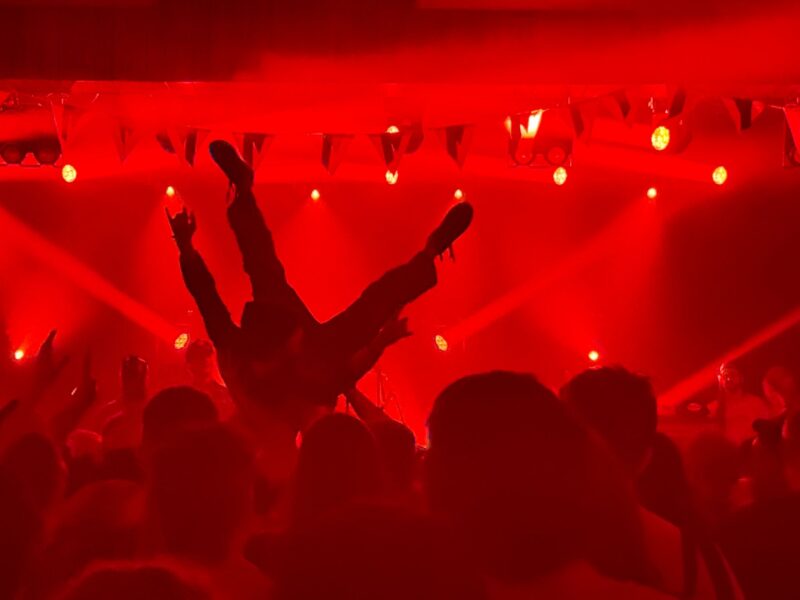
As bands perform, the rest of the festival pulses around them.
Comedyfort brought in performers like Hannibal Buress and Joe Pera. Alefort highlighted regional breweries. Other “forts” include Storyfort, Filmfort, Foodfort, Dragfort and Skatefort, creating a packed schedule of panels, screenings and community events, many of them free and spread across the city.
That scale of it all has turned Treefort into a major economic driver for Boise.
According to a report from the Idaho Policy Institute at Boise State University, this festival generated an estimated economic impact of $15.8 million in 2025. It supported roughly 128 to 130 jobs and created about $4.7 million in labor income, all while also bringing in around $1.4 million in tax revenue.
Much of that festival money comes from outside visitors.
Nearly half of attendees travel from outside the region, filling hotels, restaurants and shops. Attendance in recent years has reached about 18,000 to 20,000 people per day. Organizers expect that when the final tally is in, that number will have held or grown this year.
The way the money moves around the city is part of what sets the festival apart, said Nathan Walker, Treefort’s director of outreach and education.
“That impact is spread throughout the downtown,” he said. “There are other festivals that just would just fence in the entire festival," thus fencing in much of the revenues. But the benefits of Treefort — whether in terms of jobs, taxes or fun, free events — get dispersed through Boise, for just about everyone to enjoy.
Spread across the city center, Treefort relies on a network of venues, from bars and restaurants to outdoor stages.
Attendees are constantly moving through downtown, stumbling onto places they might not otherwise visit. Survey data shows that 86% of attendees report discovering a new local business during the festival. Nearly 20% said they found five or more.
Walker said that model reflects the festival’s broader goal of integrating into Boise.
“I mean, just the growth of the festival itself has kind of mirrored the growth of the city," he added.
As Boise and Treefort have expanded, both have also had to adjust. Treefort recently shifted some of its footprint into nearby park space, bringing some new logistical and financial challenges.
With a growing audience and reputation, Treefort has begun attracting more attention from within the music business, including from industry publication Pollstar. This year, Treefort was nominated in the category of best small festival under 30,000 attendees.
Part of that recognition, Walker said, comes from how Treefort blends together national acts and local artists. Rather than separating the two, the festival places them side by side across its lineup.
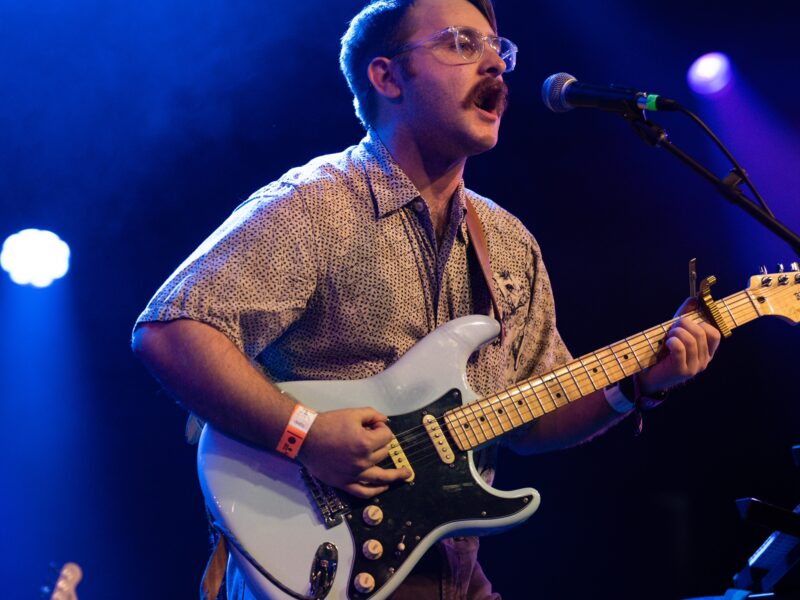
That exposure can be valuable for Boise musicians. Wyatt Sherod, a performer in the indie electronic band The Other Room There, said Treefort offers a chance to connect with new audiences and artists.
“Being a local artist, I love getting to show all of the other attendees and performers from out of town just how passionate Boise is about music, film, art and culture in general," Sherod said in an email. “The real benefit is meeting so many other great artists to connect with and share ideas with.”
The structure of the festival also encourages these kinds of interactions. With dozens of venues running shows day and night, audiences move between spaces, catching smaller acts in between larger ones.
“There are plenty of people who buy a pass just to see the headliners of the festival but end up coming earlier or staying out later at different venues to catch local acts,” Sherod said. “This is where the most impactful connections between the local scene and local audience can happen.”
Besides, for visitors, finding new acts is part of the draw.
Take Ronnie Greenwood, a music fan from Edinburgh, Scotland. He runs a community for music lovers called The Burning Club. It’s a sort of global music exchange, where members can share curated playlists and introduce each other to new artists.
For decades, Greenwood has attended South by Southwest, the long-running festival in Austin, Texas.
This year, he chose Treefort instead.
“I decided that it was time for me to explore elsewhere,” Greenwood said.
Often abbreviated as SXSW, Austin’s South by Southwest is known for its sprawling format and mix of music, film and technology.
That format is part of what initially appealed to Greenwood. But the event has changed in recent years, becoming increasingly focused on tech.
When he found Treefort, it seemed familiar in ways that mattered. It centered on music in a way that larger festivals sometimes don’t.
“I am an avid fan of live music," Greenwood said. He noted that before attending music festivals, he liked to prepare by “spending many months exploring the artists playing.”
“What I loved about SXSW was the diversity, the choice, the multiple venues, the intimacy, meeting the bands afterwards, and seeing stunning artists in the early stages of their careers,” he added. Treefort, it seemed, was carrying on that torch. He predicted festival’s star would continue to rise. “It feels [like] Treefort is at an international-recognition turning point."
As Treefort has grown, it’s sometimes had growing pains.
In recent years, the festival has shifted its main stage to Julia Davis Park, a central green space along the Boise River just east of downtown.
The move has allowed for a bigger footprint but has sometimes raised concerns about the park’s condition. In 2023, heavy foot traffic during wet weather damaged parts of the park’s turf, leaving muddy patches. As is standard for large events in public parks, city officials said at the time that Treefort would be responsible for repairs.
Still, the shift to Julia Davis Park highlights the growing popularity of Treefort.
“We essentially needed to move out of downtown as the surface lots of downtown were taken up by other development,” said Walker, the outreach director. “And then there’s a lot more expenses associated with moving to the park," including a bigger security perimeter.
Organizers say they’re working to reduce the festival’s environmental footprint where possible. Sustainability has been a focus since its early years, including with composting programs and waste stations throughout festival grounds.
“It’s always been part of our festival fabric," Walker said.

Besides environmental stewardship, Treefort also leans into community.
Through its nonprofit arm Treefort For Good, the festival supports free programming and public events alongside ticketed shows. That has ballooned into hundreds of free events in recent years, from music talks to storytelling sessions.
Walker says Treefort aims to support the city’s creative economy year-round.
He has a simple message for aspiring musicians. “You are able to build your creative dreams here,” he said. “You don’t have to move to Seattle or LA or New York anymore.”
For Sherod, the performer with The Other Room There, the focus on community and smaller acts makes performing at Treefort an electrifying experience.
“Everyone is so supportive and excited to discover new music," he said. “It makes performing for the festival feel like both an honor and an exciting adventure.”
Subscribe to our free newsletters
Our weekly newsletter Closing Arguments offers the latest about ongoing trials, major litigation and rulings in courthouses around the U.S. and the world, while the monthly Under the Lights dishes the legal dirt from Hollywood, sports, Big Tech and the arts.