Search Articles


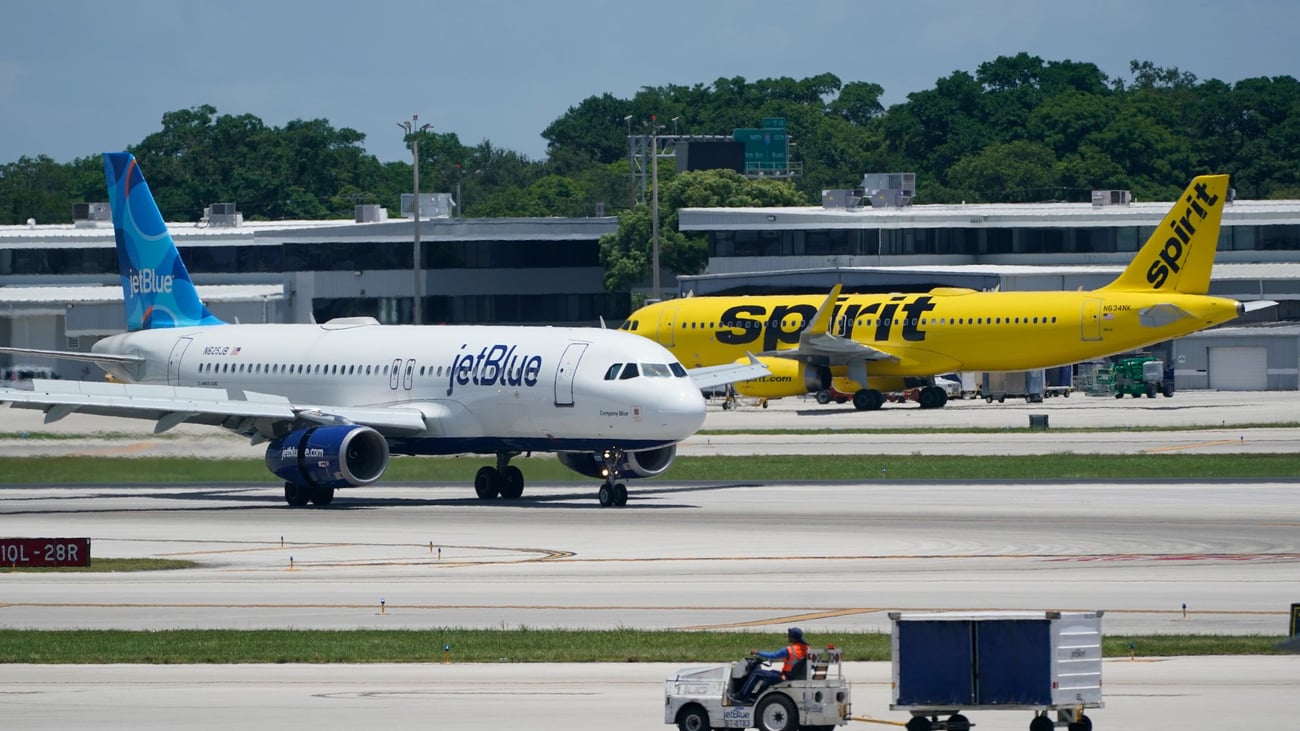
ATLANTA (CN) — Spirit Airlines wrongly withheld $2.8 million in security service fees from the Transportation Security Administration, an 11th Circuit panel unanimously ruled on Monday.
The three-judge panel of the federal appellate court refused to disturb TSA’s determination that the budget airline should have handed over security fees collected from customers who canceled their flights.
“Spirit had fair notice that it could not retain the disputed funds. The plain text of section 44940 made clear that Spirit had to remit any ‘amounts collected’ to the administration unless the administration granted a refund,” Chief U.S. Circuit Judge William Pryor wrote on behalf of the panel.
The George W. Bush appointee was joined in the decision by Trump-appointed U.S. Circuit Judge Andrew Brasher and U.S. Circuit Judge Nancy Abudu, an appointee of Joe Biden.
Spirit Airlines asked the 11th Circuit last week to grant a petition to review TSA’s finding that the airline retained fees collected from air travelers for itself. The airline claimed that passengers who ultimately do not travel do not owe the fee to TSA, because they never required security services.
A 2019 audit by U.S. Customs and Border Protection of air transportation sold between 2016 and 2018 uncovered the airline’s non-compliance.
“The audit determined that Spirit ‘under-remitted … security fees’ by retaining the amount attributable to the security fee from expired credits. It explained that Spirit was required either to remit the security fees to the administration or to refund them to passengers, and an expired credit did not count as a refund,” Pryor explained, referencing the airline’s practice of issuing a credit to passengers who cancel their flights.
If a passenger did not use the credit within 60 days, Spirit claimed the fee for itself and booked it as revenue, neither refunding the fee to the passenger nor remitting it to TSA.
Federal legal guidance requires a refund be issued after a credit has expired.
An attorney for Spirit Airlines did not immediately respond to a request for comment Monday afternoon. A representative for the airline also did not immediately respond to an e-mailed request for comment.
The panel also rejected the airline’s claim that TSA lacked authority under the law to collect the security fee if a customer does not fly.
The panel said the law “makes clear that when an airline collects a fee, it must remit it to the administration by the end of the following month, and if the passenger does not owe the remitted fee because he does not travel, the administration may provide a refund in its discretion.”
The airline cannot decline to remit a fee to TSA or reclaim a fee it remitted, the panel decided.
Post-9/11 aviation security reforms passed by Congress require airlines to collect security fees from flyers to help pay the costs of airport security services. The fees are currently capped at $5.60 per one-way trip and $11.20 for round trips that originate from a U.S. airport.
The airlines are required to pass the collected fees along to the administrator of the TSA. Spirit, like other airlines, typically collects the security service fee amounts when customers buy their tickets and remits them to TSA on a monthly basis.
A representative for the Justice Department did not immediately respond to a request for comment Monday afternoon.
The legal battle comes after weeks of long wait times through airport security across the country as Congress stalled negotiations over funding for the Department of Homeland Security, which has been partially shut down since February.
Since then, TSA employees have been working without pay, resulting in more than 500 officers leaving and thousands calling out of work. Airport wait times began to ease this month as TSA employees received retroactive paychecks that included at least two full paychecks they missed in March, according to Acting Assistant DHS Secretary for Public Affairs Lauren Bis.
Democratic lawmakers have vowed to block any funding package for immigration enforcement without changes to the agency’s practices.
 Follow @KaylaGoggin_CNS
Subscribe to our free newsletters
Our weekly newsletter Closing Arguments offers the latest about ongoing trials, major litigation and rulings in courthouses around the U.S. and the world, while the monthly Under the Lights dishes the legal dirt from Hollywood, sports, Big Tech and the arts.