
 Search Articles



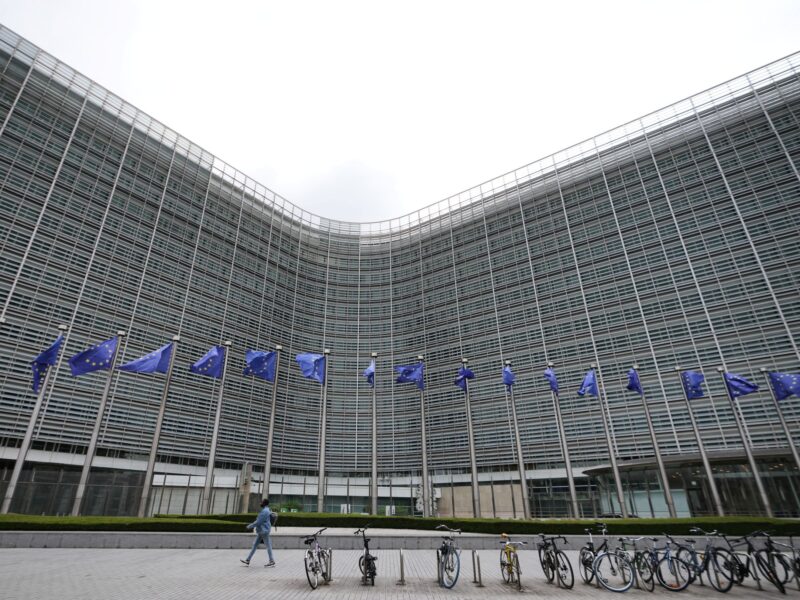
(CN) — The European Commission, the EU’s executive arm, struck Google with a $1 billion fine Thursday and even heftier ones to follow unless the world’s most-used tech platform obeys Europe’s first-of-their-kind internet rules.
Google’s transgression centered on what EU authorities said was the company’s ubiquitous practice of reaping profit from a trick called “self-preferencing” — where equally good and potentially better products are hidden from a buyer’s view.
Such cynical commercial tricks are frowned upon and often sanctioned by authorities — whether it’s olive oil and wine on sale in a butcher’s shop in Sicily or clothing for sale on mannequins and racks in Paris.
By passing the Digital Markets Act three years ago, Europe outlawed the online version of “self-preferencing.”
“Google has fallen short of effective compliance,” said Teresa Ribera, a top European commissioner. “The best products should succeed because they’re better, not because they’re owned by the company running the search engine.”
The European Union has become the world’s petri dish as governments around the world test ways to tame an out-of-control internet and rein in a notion that the internet must follow America’s Wild West version or China’s top-down approach.
Fines like Thursday’s importantly show Brussels isn’t backing down from using its new digital whips, whistles and red cards to ensure the web is friendly and usable for everyone and not dominated by bullies, charlatans and criminals.
Specifically, Google was accused of violating two articles in the Digital Markets Act. That act covers commercial online entities in Europe. A parallel piece of legislation, the Digital Services Act, lays down rules for unlawful online conduct, whether facilitated by tech platforms, perpetrated by individual users or generated by bots.
In the past year, using its digital police force powers, the EU issued at least five fines over violations of the two laws. Besides Google, China’s AliExpress, Meta, Alphabet and X are all fighting multimillion-dollar fines. Google’s was the largest meted out yet.
Still, Europe faces huge hurdles, including legal challenges brought by defendants who also happen to be some of the richest companies in the world.
Besides costly and lengthy legal fights, also looming is the danger that the EU’s big fines and policing may irk both the U.S. and China, prompting them to hit back hard. Both superpowers are resisting Europe’s crackdown on Big Tech.
In a statement, Google said it disagreed with the fine and argued it has complied with the law as it has been rolled out.
For the average internet user in Europe, companies are making noticeable changes on their websites to comply with the laws. For instance, they provide new options for shopping, give users easy ways to protect personal data and refuse cookies.
“This isn’t fair competition; it’s product degradation driven by a small group of self-serving complainants, with European businesses and consumers taking the hit,” said Kent Walker, Google’s president of global affairs. “Regulation should improve products, not make them worse.”
So far, EU authorities have not released the data, methods and details behind their probes showing Google and similar companies crossed the line and broke the EU’s internet rules.
The Digital Services and Digital Markets acts set out elaborate procedures for compliance and permit fines to be softened for good behavior.
Along with these laws, the EU has set up special teams and agencies to monitor, investigate and vet online activity taking place across Europe.
“European consumers have a right to be told by app developers where to sign up to the best offers, even when the app store owner does not get a cut,” Ribera said.
Courthouse News reporter Cain Burdeau is based in the European Union.
 Follow @cainburdeau
Subscribe to our free newsletters
Our weekly newsletter Closing Arguments offers the latest about ongoing trials, major litigation and rulings in courthouses around the U.S. and the world, while the monthly Under the Lights dishes the legal dirt from Hollywood, sports, Big Tech and the arts.
Additional Reads



 Burning bicycle July 23, 2026