
 Search Articles


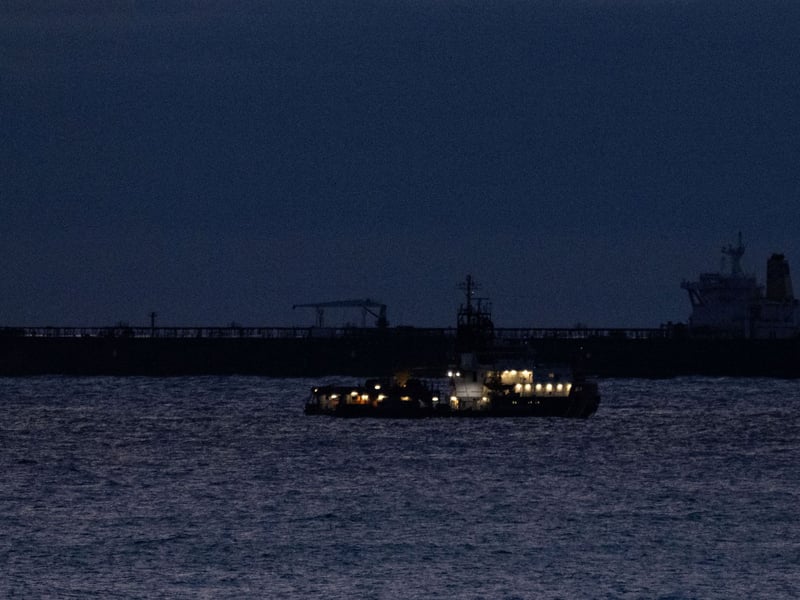
BRUSSELS (CN) — “It is time to turn off the tap,” the chief of the European Union said Friday in Brussels, proposing a ban on Russian liquefied natural gas imports and targeting cryptocurrency platforms for the first time as the 27-nation bloc ramps up economic pressure over the Ukraine war.
“Unfortunately, over the past month, Russia has shown the full extent of its contempt for diplomacy and international law,” European Commission President Ursula von der Leyen said during a surprise announcement of the bloc’s 19th round of sanctions against Russia. The proposal follows some of Moscow’s largest drone and missile attacks against Ukraine over the past two weeks.
In late August, a strike in Kyiv killed 23 people and damaged the local EU mission, marking the first time Western diplomatic facilities in the Ukrainian capital had been hit since the war began. In Poland, drones forced Warsaw’s airport to close and prompted fighter jets to scramble, with several drones shot down. In Romania, F-16 jets spotted a Russian drone during monitoring exercises.
“These are not the actions of someone who wants peace. Again and again, President Putin has escalated. And in response, Europe is increasing its pressure,” she added, speaking of the Russian leader.
The centerpiece of the new restrictions is a ban on imports of Russian liquefied natural gas — the super-cooled natural gas shipped by tanker — into European markets by January 2027. Von der Leyen said Europe is ready for this step after years of reducing energy dependence on Russia and investing in cleaner alternatives.
Eight EU member states still buy Russian gas through various channels — Belgium, the Netherlands, France, Spain, Portugal, Greece, Slovakia and Hungary, according to commission officials. These countries import natural gas both through the TurkStream pipeline and by ship.
Russia still accounted for 17% of the EU’s LNG imports in the first quarter of 2025, according to the most recent Eurostat data. The United States has become the largest LNG supplier to the EU with a 50.7% market share, followed by Russia and Qatar at 10.8%.
If approved by member states, the new sanctions will hit an additional 121 vessels in Russia’s so-called “shadow fleet” — oil tankers that use fake identities and turn off tracking systems to sneak Russian oil past existing restrictions. That brings the total number of banned tankers to more than 550. Major energy companies Rosneft and Gazpromneft will face full transaction bans, while other companies will be subject to asset freezes.
For the first time, EU sanctions will target cryptocurrency platforms and block crypto transactions as Europe tries to close the financial loopholes Russia uses to dodge existing penalties. The restrictions will hit additional Russian banks and foreign banks connected to Russia’s alternative payment systems — essentially Russia’s version of the SWIFT banking network that processes international money transfers. The package also targets Russia’s credit card system and fast payment system.
The LNG ban represents a significant step in Europe’s broader push to eliminate all Russian energy imports by 2027. European coal imports from Russia have already dropped from 51% before the invasion to zero today, while oil imports fell from 27% to just 3%. Natural gas remains the biggest challenge, with Russian supplies still accounting for about 30% of EU imports despite the bloc’s diversification efforts.
Von der Leyen said the measures target refineries, oil traders and petrochemical companies in third countries, including China, that purchase oil in violation of sanctions.
The shift reflects a dramatic transformation in Europe’s energy mix since the war began. LNG imports into the EU have more than doubled since early 2021, increasing by 113.5% in volume, while pipeline gas imports fell by 49.1% over the same period as Europe moved away from Russian pipelines toward shipped gas from various suppliers.
New export restrictions cover items and technologies used on battlefields, with 45 companies in Russia and third countries added to sanctions lists for providing support to Russia’s defense industry. The measures particularly focus on drone-related technologies and will cut Moscow’s access to artificial intelligence and geospatial data that feed weapons production.
The package also includes new measures targeting individuals involved in the abduction and deportation of Ukrainian children to Russia, according to the EU’s High Representative for Foreign Affairs Kaja Kallas.
The EU chief emphasized that sanctions are severely impacting Russia’s economy, citing the country’s 17% interest rate, persistent high inflation and decreasing access to financing and revenues. She said Russia’s first requests in diplomatic contacts involve sanctions relief, demonstrating their effectiveness.
“Our message is clear. We will intensify pressure on Russia with increasingly hard-hitting sanctions, coupled with military support for Ukraine, until Russia accepts a just and lasting peace,” said Kallas, on a diplomatic mission to Brazil.
The economic pressure comes as Russia’s war costs mount while European leaders show willingness to absorb their own economic challenges — including slow growth and high energy costs — to maintain pressure on Moscow.
“Our sanctions bite and are having visible impact on Russia’s public finances and economic growth,” Kallas said, adding: “Any source of income for the Kremlin to continue its aggression is the target.”
Hungary and Slovakia have historically opposed EU sanctions against Russia, citing energy security concerns due to their continued dependence on Russian energy. Any final agreement requires consensus among all 27 EU member states.
The package builds on 18 previous rounds that have targeted Russian banks, energy companies, oligarchs and defense contractors. The most recent 18th package, officially adopted in July, lowered the oil price cap from $60 to $47.60 per barrel and imposed transaction bans on additional Russian banks. According to the commission, Russia’s oil revenues in Europe have declined by 90% over three years of sanctions.
The European Commission president called on member states to quickly endorse the new sanctions, emphasizing coordination with G7 partners and the “Coalition of the Willing” — a group of countries providing military and financial support to Ukraine.
“We want Russia to leave the battlefield and come to the negotiating table. This is the way to give peace a real chance,” von der Leyen said.
Courthouse News correspondent Yuval Molina is based in Brussels, Belgium.
Subscribe to our free newsletters
Our weekly newsletter Closing Arguments offers the latest about ongoing trials, major litigation and rulings in courthouses around the U.S. and the world, while the monthly Under the Lights dishes the legal dirt from Hollywood, sports, Big Tech and the arts.