
 Search Articles


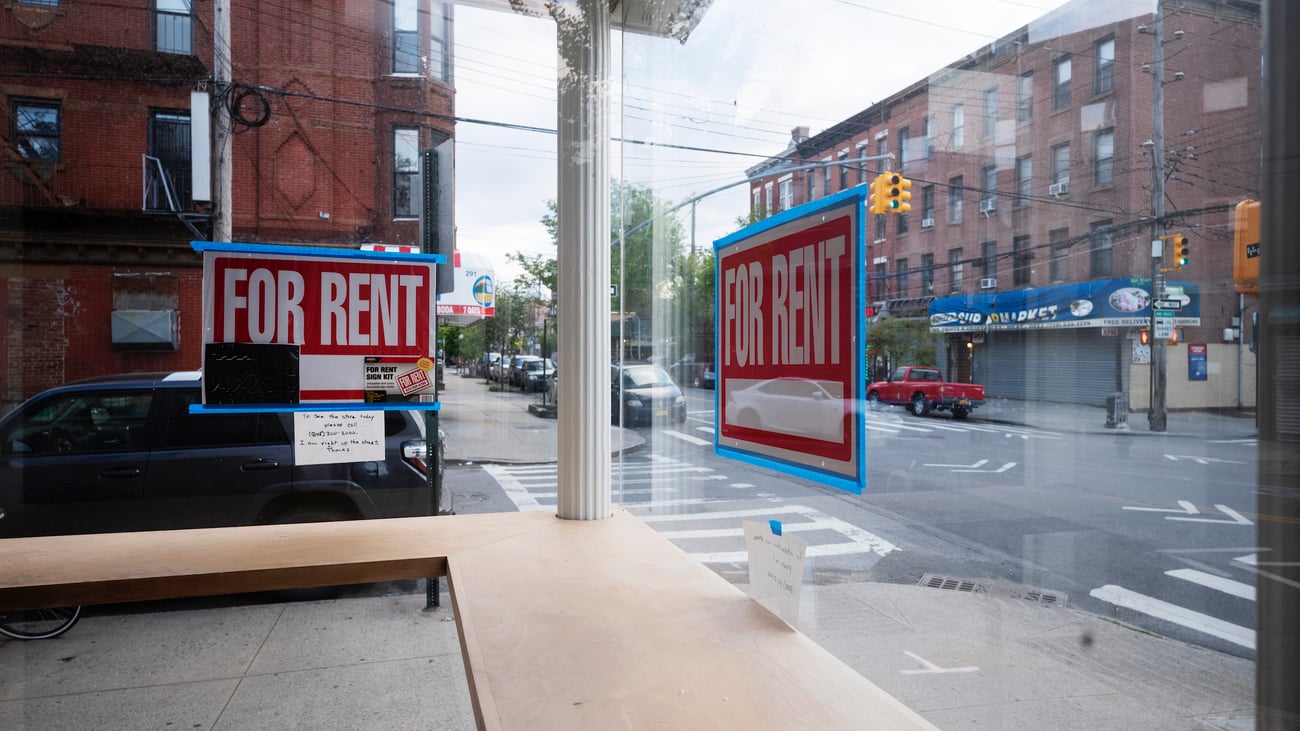
CHICAGO (CN) — A group of commercial landlords and brokers said in a class action filed Friday that data company CoStar Inc. ran a hub-and-spoke conspiracy that resulted in supra-competitive rents.
In the 47-page lawsuit filed in the U.S. District Court for the Northern District of Illinois, the class said CoStar “facilitated and orchestrated the exchange of confidential, property-level lease transaction terms — including effective rents, concessions, and other lease economics — among competing brokers and landlords. This information would otherwise remain confidential between the negotiating parties.”
CoStar acted as the hub of the conspiracy, as it collected and redistributed nonpublic lease data and promoted its services as a mechanism for landlords to optimize pricing. Brokers CBRE Group Inc. and Jones Lang LaSalle Inc., among several others, acted as the spokes and subsequently joined CoStar as defendants in the class action. The class maintained the broker defendants knowingly submitted competitively sensitive data to CoStar to access competitors’ similarly sensitive data.
“Each acted against its unilateral self-interest in disclosing sensitive pricing information and did so with the understanding that competitors were simultaneously contributing and receiving the same type of information, making reciprocal participation essential to the scheme’s value,” plaintiffs wrote in the class action.
The class said CoStar’s data monopoly ran directly afoul to the Sherman Act. The Sherman Antitrust Act of 1890 is the foundational piece of legislation that restricts interstate commerce and anti-competitive behavior in the workplace. Section 1 of the act says, “Every contract, combination in the form of trust or otherwise, or conspiracy, in restraint of trade or commerce among the several states, or with foreign nations, is declared to be illegal.”
Courts have adjudicated that violations of Section 1 of the Sherman Act come into question when agreements “unreasonably” restrain trade. They have two main standards for determining whether an agreement has unreasonably restrained trade: the per se and the rule of reason. Under the per se standard, conduct is obviously anticompetitive and no further analysis is necessary.
“Under the ‘rule of reason,’ the courts must undertake an extensive evidentiary study of (1) whether the practice in question in fact is likely to have a significant anticompetitive effect in a relevant market and (2) whether there are any procompetitive justifications relating to the restraint. Under the ‘rule of reason,’ if any anticompetitive harm would be outweighed by the practice’s procompetitive effects, the practice is not unlawful,” according to the Department of Justice.
The class said that because the defendants’ conduct constitutes horizontal price fixing, it is unlawful per se. Still, if analyzed under the rule of reason, “defendants’ conduct constitutes an unreasonable restraint of trade,” the plaintiffs wrote in the complaint.
“Defendants’ agreements and coordinated conduct produced substantial anticompetitive effects in each local market in the industrial lease market, the office lease market and the retail lease market, including inflated effective rents, reduced concessions, diminished negotiation leverage for tenants and the suppression of independent pricing decisions,” they continued.
This is not the first time CoStar has faced legal pushback over its monopoly on commercial real estate data. A similar antitrust class action was filed in April in the U.S. District Court for the Eastern District of Virginia.
“This is a rare case about a company that has perpetrated an anticompetitive scheme so pernicious that its own customers openly lament how it has destroyed competition, leaving them no choice but to pay its supra-competitive prices,” the class wrote in the complaint.
 Follow @RosenCaitlyn
Subscribe to our free newsletters
Our weekly newsletter Closing Arguments offers the latest about ongoing trials, major litigation and rulings in courthouses around the U.S. and the world, while the monthly Under the Lights dishes the legal dirt from Hollywood, sports, Big Tech and the arts.
Additional Reads


 Judge tosses xAI claims that OpenAI stole trade secrets June 15, 2026