
 Search Articles


(CN) — Apple users say in a Wednesday class action that the tech giant misled consumers that certain Apple Watch models are environmentally “carbon neutral.”
In their suit filed in the Northern District of California, the seven named plaintiffs from California, Florida and Washington, D.C. say they paid premium prices for products marketed as environmentally superior but received watches whose environmental claims rely on “ineffective and redundant offset projects that fail to provide genuine carbon reductions.”
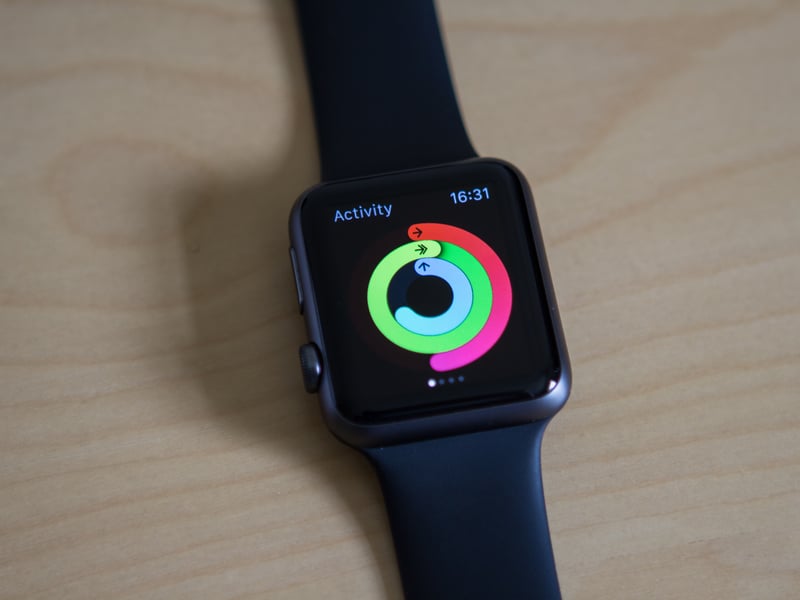
The plaintiffs claim Apple deceptively marketed its Apple Watch Series 9, Apple Watch SE (2nd generation), and Apple Watch Ultra 2 as the company’s “first-ever carbon neutral products” when the carbon offset projects used to make these claims reportedly fail to deliver genuine environmental benefits.
“Each plaintiff would not have purchased the products or would not have paid as much for the products had plaintiffs known that Apple’s ‘carbon neutral’ representations were false,” the plaintiffs say.
Apple announced in September 2023 that those watch models achieved carbon neutrality through a combination of emission reductions and carbon offsets. Apple claims to have reduced around 75-81% of emissions through various initiatives while offsetting the remaining percentage through “high-quality carbon credits from nature-based projects.”
At issue are two primary carbon offset projects Apple reportedly relied on: the Chyulu Hills Project in Kenya and the Guinan Project in China. Together, these projects account for nearly all of the claimed carbon dioxide equivalents Apple says it retired to meet its corporate emissions footprint.
The plaintiffs claim that both projects fail the “additionality” test — a key requirement that carbon offset projects must result in carbon reductions that would not have occurred without the project’s existence.
For Kenya’s Chyulu Hills Project, the plaintiffs claim that most of the reported carbon-capturing capacity comes from land within Chyulu Hills National Park, which has been legally protected from deforestation since 1983.
For the Guinan Project in China, the plaintiffs claim that “the carbon credits produced in the project area cannot be attributed to the project itself, as the land was already serving as a carbon sink prior to the project’s initiation.”
The plaintiffs note that Verra, a carbon credit certification organization, announced in 2024, that it was “opening a new review” of the Guinan Project and suspended “any further credit issuance from the project.”
“Verra’s suspension of credit issuance from an existing project is a major intervention that signals serious integrity concerns,” the write in the suit. “Verra’s actions underscore the Guinan Project’s inefficacy and the falsity of Apple’s ‘carbon neutral’ representations.”
The plaintiffs argue that Apple cannot “hide behind Verra’s certification of these projects,” citing Federal Trade Commission regulations that state, “third-party certification does not eliminate a marketer’s obligation to ensure that it has substantiation for all claims reasonably communicated by the certification.”
The plaintiffs ask the court to block Apple from continuing to market the watches as carbon neutral, in addition to damages, restitution, and disgorgement of profits. The plaintiffs argue that “damages alone would not prevent Apple from continuing to make false and misleading claims about its products.”
According to the plaintiffs, research shows that approximately 70% of consumers consider environmental sustainability a crucial factor in their purchasing decisions and are willing to pay premium prices — on average, 35% more — for products they believe are sustainable.
The plaintiffs are represented in the suit by attorney Amber L. Schubert of Schubert Jonckheer & Kolbe. Neither Schubert nor representatives for immediately responded when asked for comment.
 Follow @JeremyYurow
Subscribe to our free newsletters
Our weekly newsletter Closing Arguments offers the latest about ongoing trials, major litigation and rulings in courthouses around the U.S. and the world, while the monthly Under the Lights dishes the legal dirt from Hollywood, sports, Big Tech and the arts.