
 Search Articles


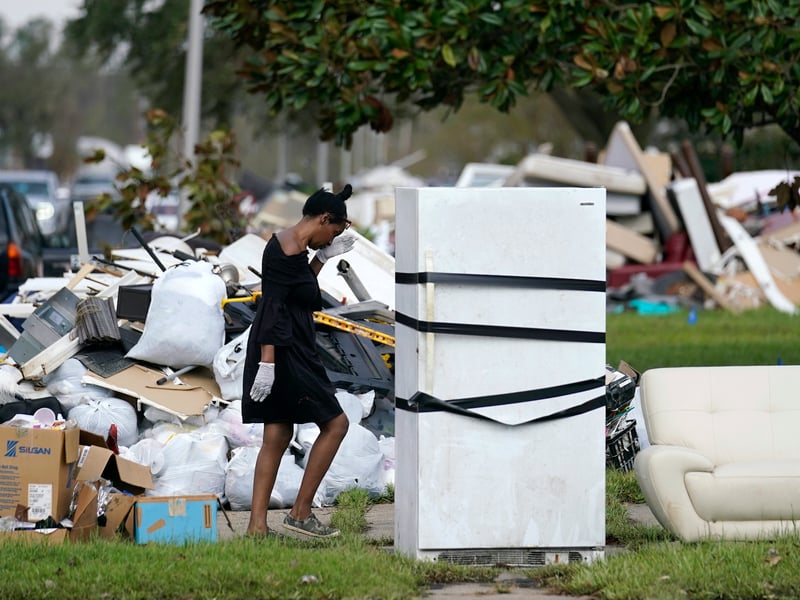
(CN) — As a young boy in 1992, Lafourche Parish President Archie Chaisson remembers huddling under a mattress in his parents’ South Louisiana home as Hurricane Andrew roared overhead.
It was Chaisson’s first notable hurricane memory — but it wouldn’t be his last. He also remembers the destruction caused by Lili in 2002, Katrina and Rita in 2005 and then, three years later, by Gustav and Ike.
Even still, when the Category 4 Hurricane Ida struck in 2021, it “was the worst storm we have ever seen,” Chaisson said in a phone interview on May 30 — two days before the official start of the 2024 hurricane season.
“Some people call it our generation’s Betsy,” he added, referencing the 1965 storm that devastated New Orleans and the upper Gulf Coast. Based on size and intensity, Betsy remains among the top three storms to ever make landfall in the United States.
As Atlantic hurricanes get worse, Betsy may not hold that distinction for much longer. With the official hurricane season beginning on Friday, June 1, experts have urged residents near the Atlantic and Gulf coasts to prepare for an active one.
On May 23, the National Oceanic and Atmospheric Administration released its annual hurricane season forecast, predicting “an 85% chance of an above-normal season, a 10% chance of a near-normal season and a 5% chance of a below-normal season.”
The agency predicts there will be between 17 to 25 total named storms, eight to 13 of which are forecast to become hurricanes. As many as half of those could ultimately become “major” hurricanes with winds exceeding 111 mph or higher. The forecast is similar to one issued by researchers at Colorado State University in April, which predicts 23 named storms, 11 hurricanes and seven major hurricanes.
In Lafourche Parish on the southern tip of Louisiana, residents like Chaisson have had some experience with major hurricanes.
Take Hurricane Ida. With a price tag of $75 billion, it became the fifth-most costly storm in U.S. history.
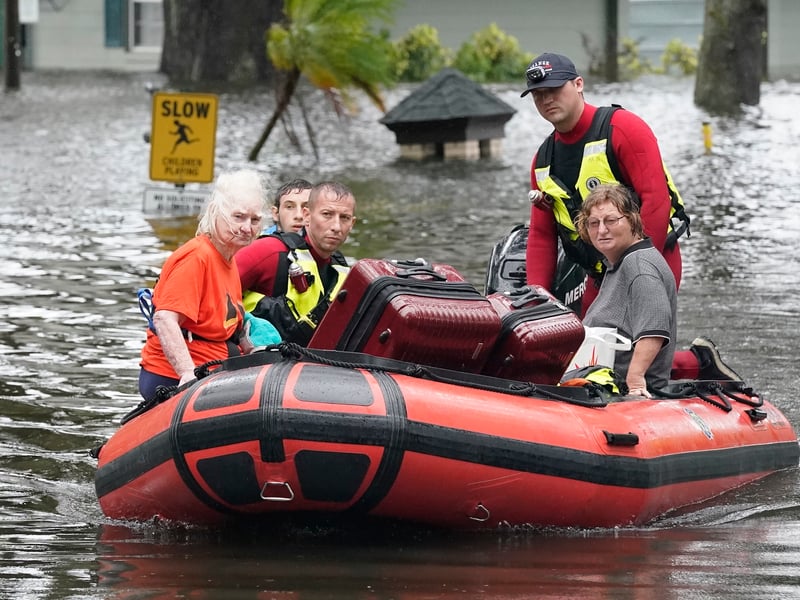
After hitting the Gulf Coast on Aug. 29, 2021, Ida traveled inland. It caused widespread flooding as far north as New York, where it inundated the New York City subway system. Eighty-seven Americans were killed in the storm, including 30 in Louisiana, 29 in New Jersey and 17 in New York.
Three years later, “recovery is still ongoing” in Lafourche Parish, Chaisson said. Roughly 320 families are still in temporary housing as insurance payments remain unsettled. As much as 7% of the population permanently fled for higher ground.
Ida made landfall amid what meteorologists called a “low activity” year for Atlantic hurricanes. That makes 2024 and its “above normal” forecast particularly concerning.
Still, Chaisson said Lafourche Parish is as ready as it has ever been. “Hurricane season is just another date on the calendar, and we prepare for it all year long,” he said. “Should we be in the cone of uncertainty, we’re going to react to the best of our ability as we always do.”
The Atlantic hurricane basin has been in a “high activity era” since 1995, according to Matt Rosencrans, director of NOAA’s Climate Prediction Center. Some of those years have seen less activity than others, thanks to climate patterns like El Niño, atmospheric conditions over the African continent or cooler sea surface temperatures.
There are indicators 2024 will be especially active. The NOAA forecast suggests storms will be more frequent and intense due to “near-record warm ocean temperatures in the Atlantic Ocean, development of La Nina conditions in the Pacific, reduced Atlantic trade winds and less wind shear,” according to the agency.
“There’s a general upward trend in sea surface temperatures,” Rosencrans said. “This year is the warmest that we have seen since at least 1981, at least when looking at weekly data.”
“When using monthly data, it’s the warmest we’ve seen since 1854,” he added. Furthermore, La Niña conditions like those Louisiana is entering “are more conducive for development of tropical storms.”
Human-caused climate change is not factored into the predictions of storm-season severity, Rosencrans said — though it is considered in estimates of how much damage might occur.
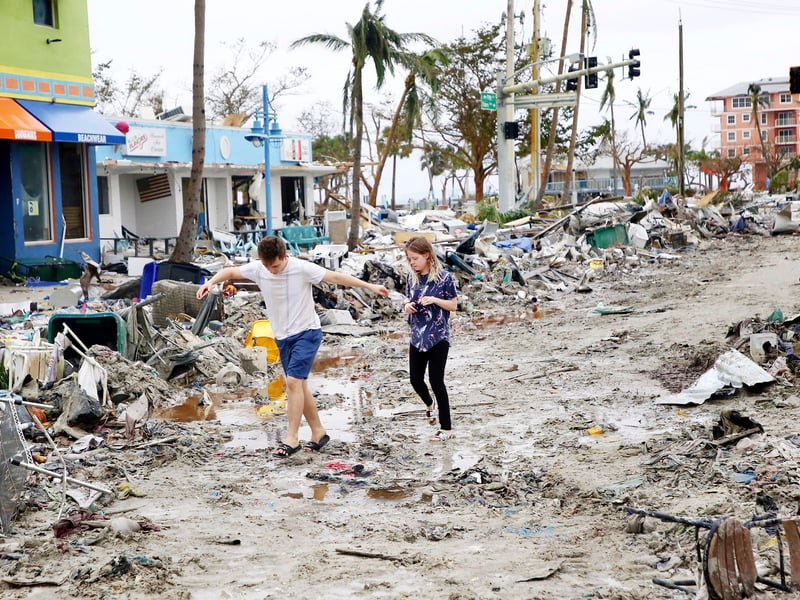
“We are more likely to see more coastal flooding” because of climate change, he said — “and more inland rainfall.”
Climate change also seems to slightly increase wind speeds at the center of storms. “Not necessarily enough to make them move up a category,” he said, “but we do see on average tropical storms that are now 55 miles an hour rather than 45 or even 50.” Overall, that works out to “about a 7% increase in the wind speed.”
This year’s hurricane season will officially end on Nov. 30. In the meantime, storm-prone places like Lafourche Parish are drawing from lessons on recovery and resilience learned after every emergency, Chaisson said.
Louisiana lost around 100 square miles of land to Ida’s storm surge. The state has reinforced its extensive levy system and is attempting to regenerate wetlands in other areas. Officials have also secured resources like water tankers, rations and more and larger generators. “All it takes is one storm,” Chaisson said. “We are as prepared as we can be.”
Hurricanes are also more expensive now than they have ever been.
Nine of the 10 most costly hurricane seasons have all occurred since 2004. The tenth costliest was 1992, when Hurricane Andrew devastated the Miami area before crossing into the Gulf of Mexico and making its second U.S. landfall in coastal Louisiana, where Chaisson was hunkered down.
Having been through so many storms in the past three decades, Chaisson said communities like his are not naive to the pervasive threat. “Hurricanes are a part of life. It comes with the territory,” he said. “All we can do is prepare.”
 Follow @gabetynes
Subscribe to our free newsletters
Our weekly newsletter Closing Arguments offers the latest about ongoing trials, major litigation and rulings in courthouses around the U.S. and the world, while the monthly Under the Lights dishes the legal dirt from Hollywood, sports, Big Tech and the arts.