
 Search Articles


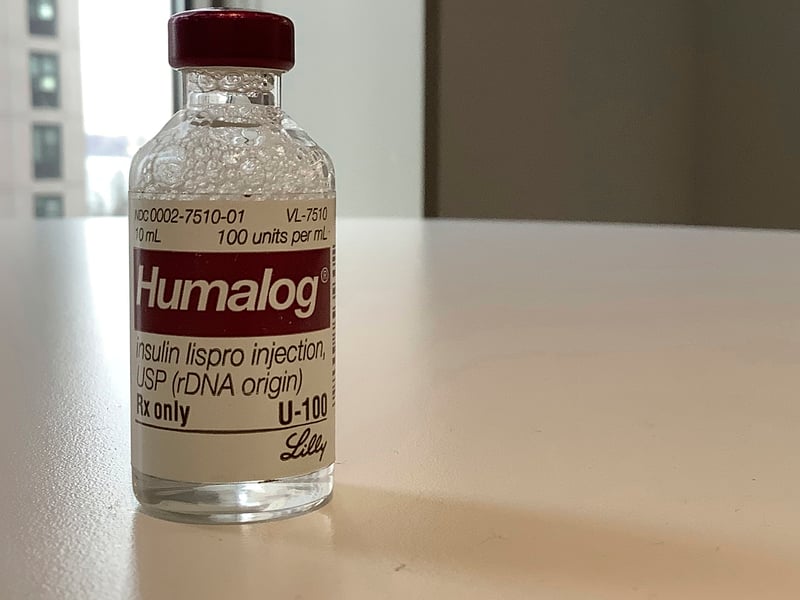
MANHATTAN (CN) — The Second Circuit on Wednesday overturned the dismissal of a civil antitrust case brought by community health care providers against a group of diabetes drug manufacturers accused of colluding to manipulate the pricing of insulin products to boost profits on discounted drugs under a federal subsidy program.
Finding that a judge in a lower federal district court erred in dismissing the health care providers’ suit, a panel of judges sitting for the Second Circuit vacated the dismissal and remanded the case to the Western District of New York for further proceedings.
“While much of this opinion includes doctrinal jargon unique to antitrust cases, at bottom, this appeal is about whether plaintiffs-appellants met the low pleading threshold for surviving a motion to dismiss,” U.S. Circuit Judge Myrna Pérez wrote three-judge panel’s 33-page opinion. “Here, properly granting all inferences and crediting all non-conclusory facts, plaintiffs’ proposed second amended complaint pled sufficient facts to substantiate their antitrust allegations at the motion to dismiss stage.”
Mosaic Health and Central Virginia Health Services, which operate forty “safety-net” facilities in New York and Virginia, filed a 2021 lawsuit seeking nationwide class certification for clinics covered by the 340B drug discount program of the Public Health Service Act. They aimed to push national healthcare reform through antitrust law and recover treble damages for millions of dollars in drug sales.
The plaintiffs allege that Eli Lilly, Sanofi-Aventis, AstraZeneca and Novo Nordisk—competitors in the insulin market—first lobbied against the 340B program and, when unsuccessful, conspired to restrict 340B discounts by adopting parallel policies.
The pharmaceutical companies challenged that claim on appeal, arguing in an appellee brief that the timing and particulars of each of their policy changes “are far too divergent to constitute parallel conduct."
The Second Circuit nonetheless found that the drugmakers’ announced policies were “similar enough in substance, timing, and effect” for the plaintiffs “to support a plausible inference of a horizontal price-fixing conspiracy through circumstantial allegations.”
Perez, a Biden appointee, was joined on the Second Circuit panel by fellow Biden-nominated U.S. Circuit Judges Alison Nathan and Maria Araújo Kahn.
Congress established the 340B Drug Pricing Program to let eligible safety-net hospitals, clinics and providers purchase outpatient drugs at a discount from drugmakers in Medicaid. Providers often earn insurance reimbursements above the discounted price, using the difference to support other services.
According to a Government Accountability Office analysis, over 2,600 hospitals — approximately a third of the nation’s hospitals — participate in the 340B program.
The discounts average from 25% to 50% and allow healthcare providers to offer uninsured and underinsured patients free or low-cost medications.
The distribution of the drugs is not uniform, as some contract pharmacies maintain separate inventories of Section 340B drugs, while most have a mixed inventory of discounted and nondiscounted drugs.
Pharmacies with mixed inventories determine after a drug has been dispensed whether it was eligible for the discount, outsourcing those determinations to third-party administrators who receive larger fees for every prescription deemed eligible.
 Follow @jruss_jruss
Subscribe to our free newsletters
Our weekly newsletter Closing Arguments offers the latest about ongoing trials, major litigation and rulings in courthouses around the U.S. and the world, while the monthly Under the Lights dishes the legal dirt from Hollywood, sports, Big Tech and the arts.