Search Articles


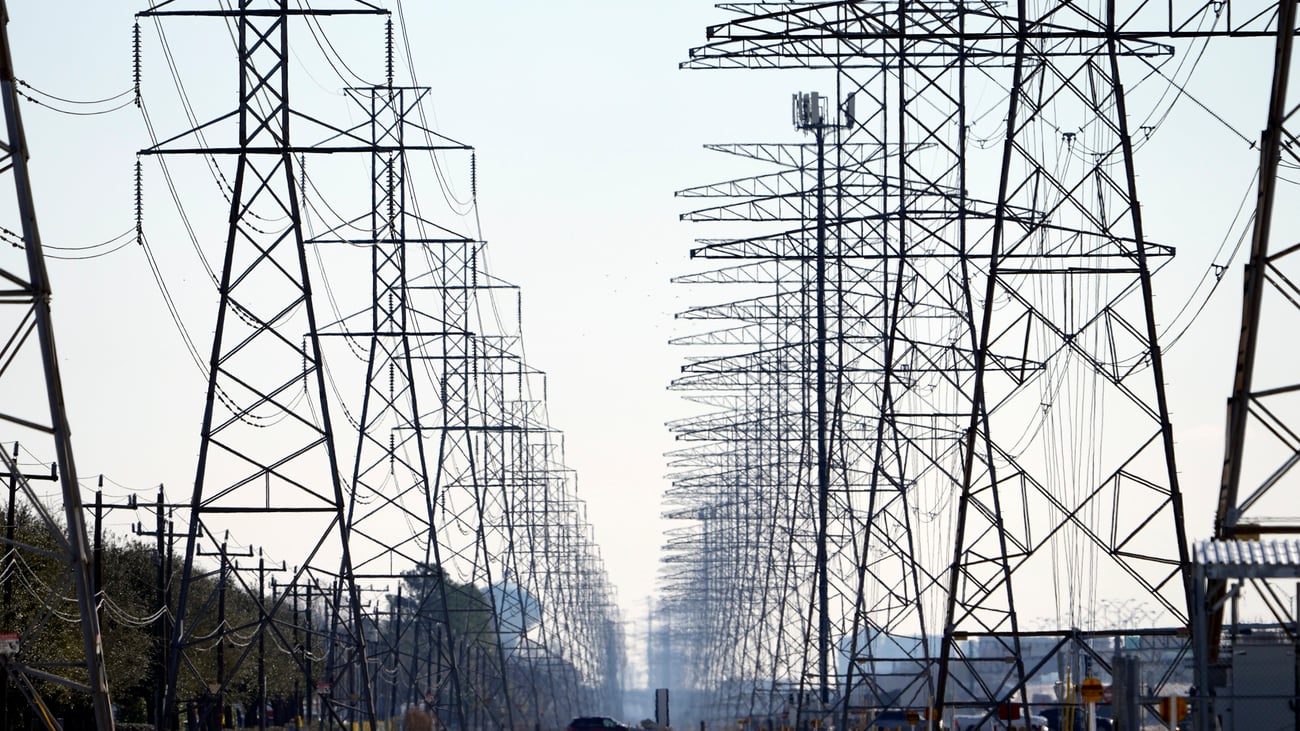
(CN) — The 10th Circuit affirmed on Monday a trial judge’s finding that Kansas ratepayers can’t sue natural gas wholesalers under the state’s consumer protection law over the huge spike in prices during a February 2021 winter storm that brought record cold temperatures to the Southern Plains.
In a unanimous decision, the appellate panel said the consumers’ state law claims in five consolidated class actions were preempted by the Natural Gas Act, the federal statute under which the rates charged by wholesalers are regulated through the Federal Energy Regulatory Commission.
“However plaintiffs attempt to frame their argument here, their suit aims directly at interstate wholesale transactions and practices,” U.S. Circuit Judge Harris Hartz wrote.
“All the allegedly improper activity of which plaintiffs complain concerned the prices set for interstate wholesale sales of natural gas under the exclusive jurisdiction of FERC, not background marketplace conditions, such as price indices, that independently affected both wholesale and retail prices,” the George W. Bush appointee added. “This cannot suffice.”
When the storm, nicknamed Uri by The Weather Channel, hit Kansas, it brought not only subzero temperatures that caused a spike in demand for natural gas, but it also froze wellheads throughout the region. As a result, wholesale gas prices on the spot market, which is the price local distributors pay to meet unanticipated demand, rose as fast as the temperatures plunged.
The spot price on S&P Global’s Platts market index, the benchmark used for wholesale prices on the spot market, increased as much as 200 times, from $2.545 MMBtu, or million British thermal units, on Feb. 1, 2021, to $622.785 MMBtu on Feb. 17, the plaintiffs said in one of their complaints.
The Kansas Corporation Commission, the state regulator that oversees intrastate and retail natural-gas sales, ordered local distributors and others to do all things possible and necessary to ensure the demand for natural gas was met, which entailed paying the ballooning spot market prices and, eventually, passing on the costs to consumers over the next several years.
After the storm, FERC’s Office of Enforcement investigated the wholesale transactions to determine whether there had been market manipulation or other misconduct, the 10th Circuit panel noted, but the investigation didn’t result in any enforcement action.
“We are of course disappointed with the court’s ruling, but we respect and appreciate the judicial process,” Sam Walenz, an attorney for the consumers, said. “We are reviewing the decision and will make a determination on next steps.”
An attorney who represented the wholesale distributors before the 10th Circuit didn’t immediately respond to a request for comment.
The other judges on the appellate panel were fellow Bush appointee Chief U.S. Circuit Judge Jerome Holmes and U.S. District Judge Matthew Garcia, a Joe Biden appointee on the U.S. District Court for the District of New Mexico who sat on the panel by designation.
U.S. District Judge Daniel D. Crabtree last year found the claims under the Kansas Consumer Protection Act couldn’t stand because regulating gas transportation and sale is a role assigned by Congress to the Federal Energy Regulatory Commission — though he acknowledged the pricing changes in his order.
“As temperatures plummeted, the natural gas prices index experienced an inverse — and corresponding — ascent,” the Barack Obama appointee said of the storm, which wreaked havoc on a wide swath of the southern and central U.S., including in Kansas and Oklahoma.
The outbreak is most remembered for the damage it did in Texas, where it crashed the power grid, leaving millions without electricity and killing 246 people. The weather service called it the costliest weather disaster in Texas history.
In the years after the storm, cases proliferated across the Southern Plains states. In Kansas, bills started going up from deferred costs in the summer of 2023. While cases were filed in state and federal courts in Kansas beginning in 2021, the cases before Crabtree came in late 2023 and early 2024 and subsequently consolidated.
 Follow @edpettersson
Subscribe to our free newsletters
Our weekly newsletter Closing Arguments offers the latest about ongoing trials, major litigation and rulings in courthouses around the U.S. and the world, while the monthly Under the Lights dishes the legal dirt from Hollywood, sports, Big Tech and the arts.
Additional Reads

 Omaha gas blast settlement July 6, 2026